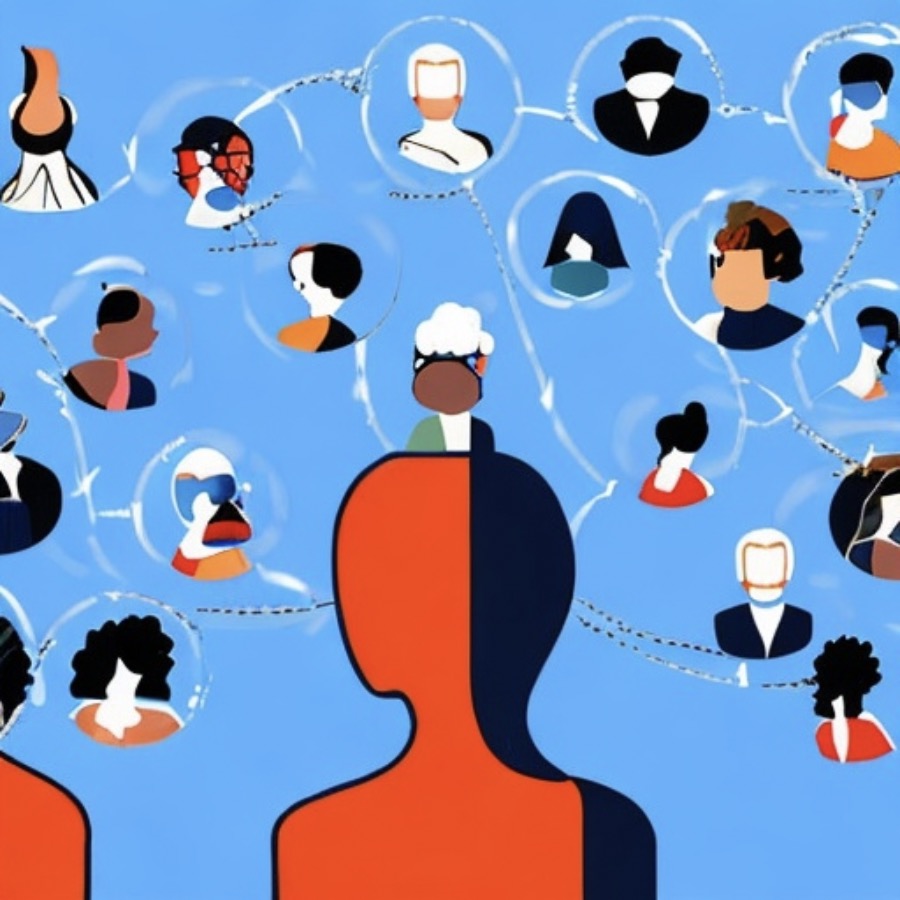
Groupthink, a phenomenon where individuals conform to the opinions or decisions of a cohesive group, can have profound consequences on personal judgment and decision-making. It is a social dynamic that often leads individuals to prioritize group consensus over their own best interests. This article explores the reasons behind this paradoxical behavior and offers strategies to navigate groupthink effectively.
The Nature of Groupthink
Groupthink emerges when individuals strive for harmony within a group, often sacrificing critical thinking and independent analysis. This conformity bias can be attributed to a variety of factors, including the desire for acceptance, fear of conflict or rejection, or the assumption that the majority opinion must be correct.
The Dangers of Groupthink
While group cohesion can foster collaboration and unity, the dangers of groupthink lie in the potential for flawed decision-making. Individuals may suppress their dissenting views, leading to incomplete analysis of alternatives and the failure to consider potential risks. This can hinder personal growth, stifle innovation, and ultimately lead to outcomes that are detrimental to the group or individual.
Understanding Cognitive Biases:
To comprehend why people navigate towards groupthink that contradicts their own best interest, it is crucial to examine the underlying cognitive biases at play. Confirmation bias, the tendency to seek information that supports preexisting beliefs, can reinforce groupthink by disregarding dissenting opinions. Additionally, social proof bias, the reliance on others’ behavior as a guide, can lead individuals to unquestioningly adopt the group’s perspective.
Strategies for Navigating Groupthink
Foster a Culture of Psychological Safety: Encourage open dialogue, respect differing opinions, and create an environment where individuals feel comfortable expressing dissent without fear of retribution.
Encourage Devil’s Advocacy: Designate someone or encourage individuals to play the role of a devil’s advocate, challenging prevailing opinions and presenting alternative viewpoints. This promotes critical thinking and helps counteract the groupthink mentality.
Seek Diverse Perspectives: Actively seek out diverse perspectives and actively listen to dissenting voices. This diversity enriches decision-making processes and helps prevent tunnel vision.
Promote Independent Thinking
Encourage individuals to think independently and critically evaluate information. Encourage self-reflection and personal analysis to ensure decisions align with their own best interests.
Utilize Decision-Making Frameworks: Implement decision-making frameworks, such as cost-benefit analysis or SWOT analysis, to facilitate objective evaluation of options. These frameworks can provide structure and reduce the influence of groupthink.
Conclusion
Navigating groupthink requires a conscious effort to balance the benefits of group cohesion with the need for independent thinking. By understanding the nature of groupthink, recognizing cognitive biases, and implementing strategies to counteract them, individuals can make more informed decisions that align with their own best interests. Embracing diverse perspectives and fostering a culture of psychological safety will enable collective decision-making that is both effective and beneficial for all involved.
 NeuralRotica