In our daily lives, we often encounter people who seem to possess a remarkable ability to forget the kindness and generosity shown to them. These ungrateful individuals exhibit a peculiar characteristic: a short-term memory that selectively erases any recollection of the support they have received. In this article, we delve into the intriguing phenomenon of the short-term memory of ungrateful people, exploring possible reasons behind their behavior and its impact on interpersonal relationships.
The Nature of Ungratefulness
Ungratefulness can manifest in various forms, from failing to express gratitude for a favor to actively disregarding the efforts made on their behalf. It is important to note that ungratefulness does not necessarily equate to malice, but it often stems from a lack of appreciation or a sense of entitlement. Ungrateful individuals tend to prioritize their own needs and desires, often neglecting the contributions of others.
The Selective Memory Effect
One of the most perplexing aspects of ungratefulness is the seemingly selective memory that accompanies it. Ungrateful individuals conveniently forget acts of kindness, support, or sacrifices made on their behalf. They may remember negative experiences or perceive slights from others more vividly, while conveniently omitting the positive contributions. This selective memory bias leads to a distorted perception of reality, where their own needs and desires are prioritized, and the efforts of others are diminished or dismissed.
Psychological Factors
Several psychological factors may contribute to the short-term memory of ungrateful people. One potential explanation is a self-centered mindset that prioritizes personal interests above all else. This self-focus prevents them from fully appreciating the impact of others’ actions. Additionally, ungratefulness may be rooted in a sense of entitlement, where individuals come to expect assistance without considering the effort behind it. This entitlement can blind them to the value of the support they receive, leading to their forgetfulness.
Impact on Relationships
The short-term memory of ungrateful individuals can strain interpersonal relationships. Whether it is within families, friendships, or professional settings, the lack of acknowledgment and gratitude can create resentment and diminish trust. The efforts made to support and uplift these individuals can gradually diminish, as others become disillusioned by their consistent lack of appreciation. Over time, this may lead to strained or broken relationships.
Cultivating Gratitude
Addressing ungratefulness requires a collective effort, both on the part of the ungrateful individuals themselves and those around them. Encouraging self-reflection and empathy can help ungrateful individuals recognize the value of gratitude and the impact of their selective memory. Practicing gratitude exercises, such as keeping a gratitude journal or expressing appreciation regularly, can also be beneficial in cultivating a more grateful mindset.
Closing Thoughts
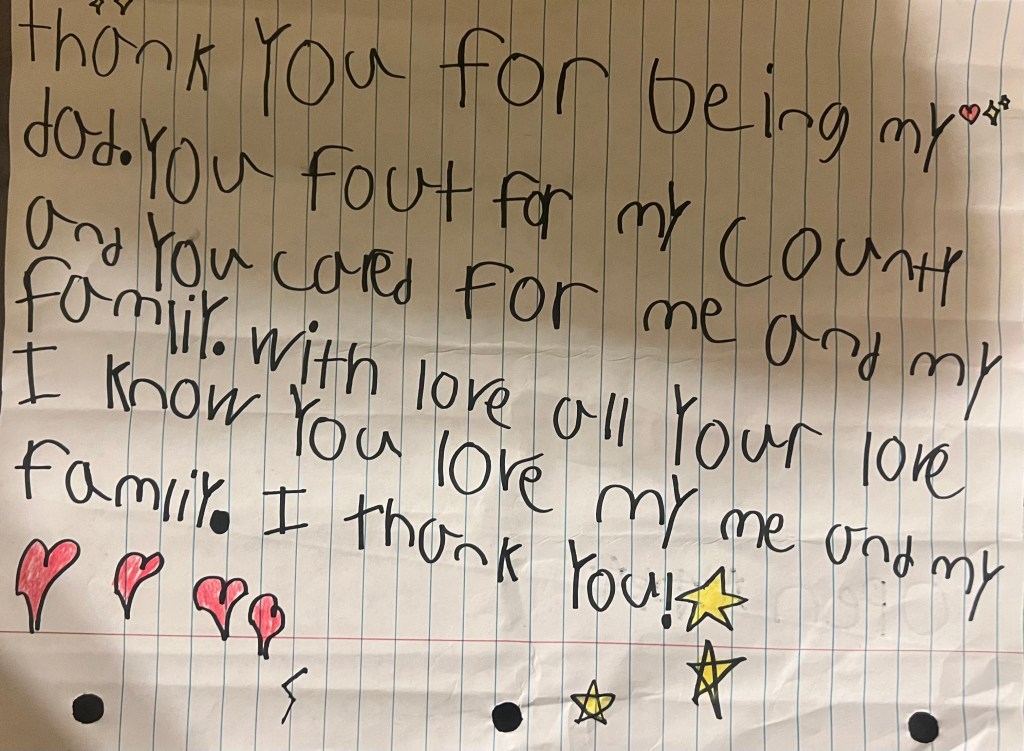
The short-term memory of ungrateful individuals poses a challenge in interpersonal relationships. Understanding the psychological factors that contribute to ungratefulness is crucial in addressing this issue effectively. By fostering a culture of gratitude and encouraging self-reflection, we can help ungrateful individuals develop a greater appreciation for the efforts of others and strengthen the foundations of our relationships. Remember, gratitude has the power to transform lives, both for those who express it and those who receive it.
 NeuralRotica