Art knows no boundaries, transcending borders and cultures to create a universal language of expression. In this diverse tapestry of creative endeavors, Malaysia has emerged as a vibrant and influential force, making a significant impact on the global art scene. From traditional art forms deeply rooted in the country’s rich heritage to contemporary expressions that challenge conventions, Malaysian artists have carved a unique space for themselves. This article explores the fascinating journey of Malaysia’s impact on art and the profound contributions made by its talented artists.
Traditional Art and Cultural Heritage
Malaysia’s art scene is deeply intertwined with its diverse cultural heritage. The country’s multicultural society, comprising Malays, Chinese, Indians, and various indigenous groups, has given rise to a rich tapestry of artistic traditions. Traditional art forms such as batik, wayang kulit (shadow puppetry), and wood carving have been passed down through generations, preserving Malaysia’s cultural identity. These art forms continue to inspire contemporary artists and serve as a foundation for innovative reinterpretations.
Fusion of Traditional and Contemporary
One of the most striking aspects of Malaysian art is its ability to seamlessly blend tradition with contemporary influences. Malaysian artists have embraced new mediums, techniques, and ideas, infusing them with traditional elements to create captivating works. This fusion of old and new can be seen in the paintings of renowned artist Latiff Mohidin, who combines abstract expressionism with Malay idioms, resulting in visually stunning and thought-provoking pieces.
Exploring Identity and Diversity
Malaysia’s multicultural society provides artists with a rich source of inspiration, allowing them to explore themes of identity, diversity, and social narratives. Artists like Wong Hoy Cheong and Yee I-Lann have delved into issues of cultural hybridity, challenging the notion of fixed identities and highlighting the complexities of Malaysian society. Their thought-provoking art serves as a reflection of the country’s multicultural fabric and encourages dialogue on issues of race, religion, and cultural exchange.
Street Art and Urban Expression
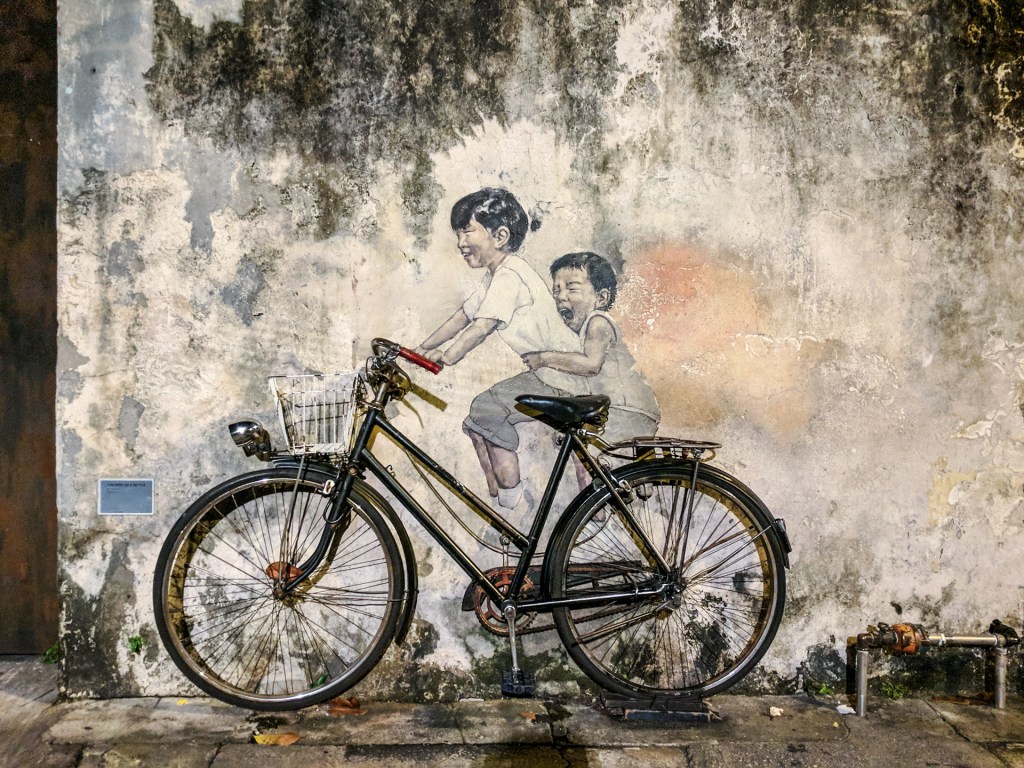
Street art has become a powerful medium for Malaysian artists to voice their opinions, reclaim public spaces, and engage with the community. Cities like Penang and Kuala Lumpur are adorned with vibrant murals and graffiti that depict social commentary, cultural icons, and political messages. Artists such as Ernest Zacharevic and Kenji Chai have gained international recognition for their captivating street art, breathing new life into Malaysia’s urban landscape.
International Recognition and Exhibitions
The impact of Malaysian art extends far beyond the country’s borders, with Malaysian artists gaining recognition on the global stage. Their works have been featured in prestigious exhibitions and art fairs worldwide, contributing to the diverse tapestry of contemporary art. Artists like Ibrahim Hussein and Ahmad Zakii Anwar have showcased their talent internationally, garnering critical acclaim and fostering cross-cultural artistic exchange.
Closing Thoughts
The Malaysian impact on art is a testament to the country’s rich cultural heritage, diversity, and the talent of its artists. From traditional art forms that connect Malaysia’s past to contemporary expressions that challenge societal norms, Malaysian artists continue to make their mark on the global art scene. Their ability to fuse tradition with modern influences, explore complex themes, and embrace street art as a form of expression has captivated audiences and brought Malaysian art to the forefront. As the influence of Malaysia’s art continues to grow, it serves as a powerful reminder of the transformative power of creativity and the importance of embracing cultural diversity in the world of art.
 NeuralRotica