Generational trauma is an often unspoken but deeply impactful phenomenon that reverberates through families and communities, leaving lasting imprints on the individuals it touches. While its effects can be pervasive, one avenue through which it finds expression is art. In this article, we delve into the compelling connection between generational trauma and art, exploring how artists channel their experiences and emotions to create powerful and transformative works that resonate with both personal and collective narratives.
The Silent Inheritance
Generational trauma refers to the emotional, psychological, and even physical wounds passed down from one generation to the next. It can stem from historical events like war, genocide, political oppression, or societal injustices. The trauma manifests itself in the form of deeply ingrained beliefs, behaviors, and emotional patterns that often transcend individual experiences.
Art as a Medium of Expression
Art has long been recognized as a potent tool for catharsis, self-expression, and healing. Artists, whether consciously or unconsciously, often tap into their generational trauma to create works that reflect their personal and ancestral struggles. From paintings to sculptures, literature to music, art becomes a vessel through which the artist can convey their emotions, experiences, and the weight of their heritage.
The Power of Symbolism
Artistic creations are often layered with symbolism, offering multi-dimensional interpretations. Artists grappling with generational trauma frequently employ symbols and metaphors to convey the profound and complex emotions associated with their experiences. These symbols can represent resilience, pain, loss, or even hope, acting as a bridge between the artist’s personal journey and the collective story of their lineage.
Art as a Catalyst for Dialogue
Art has the remarkable ability to evoke empathy and ignite conversations. When artists explore their generational trauma through their craft, they invite viewers, readers, or listeners to confront and engage with these difficult narratives. By sharing their stories, artists create opportunities for dialogue, understanding, and healing. Through art, the silent wounds of generational trauma find a voice and a platform for collective healing.
Art Therapy and Transformation
For individuals impacted by generational trauma, engaging in art therapy can be a transformative process. Art therapists provide a safe space for individuals to explore their emotions, confront their inherited pain, and find new ways of healing. Through various art forms, individuals can externalize their experiences, reframe their narratives, and ultimately embark on a path towards healing and resilience.
Closing Thoughts
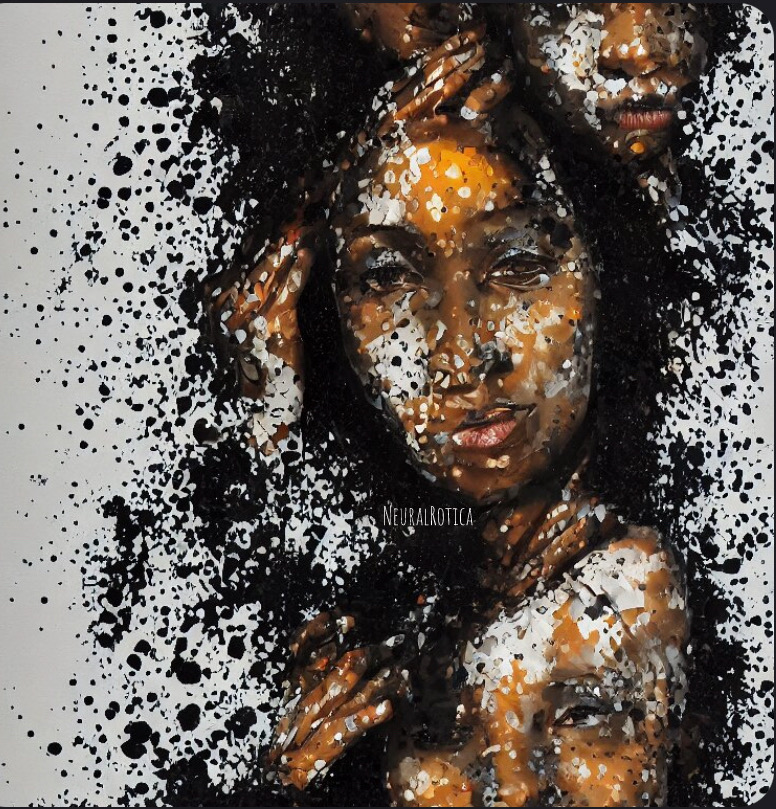
Generational trauma is a deeply rooted phenomenon that shapes the lives of individuals and communities. Art emerges as a powerful medium through which this trauma can be explored, expressed, and ultimately transformed. Through their creations, artists illuminate the hidden depths of generational trauma, fostering empathy, understanding, and healing for both themselves and their audiences. As we continue to appreciate the profound impact of generational trauma, let us embrace the transformative power of art as a catalyst for healing and change.
 NeuralRotica