Transcendental art, a movement that emerged in the 19th century, sought to convey the idea of the spiritual realm through artistic expression. Rooted in the transcendentalist philosophy, this art form aimed to go beyond the physical world and delve into the realm of the metaphysical, the sublime, and the divine. It sought to evoke a sense of awe, wonder, and interconnectedness with the universe, elevating the viewer to a higher plane of consciousness.
At its core, transcendental art is a visual manifestation of the transcendentalist belief in the inherent goodness of both people and nature, as well as the idea that divinity can be found in the everyday. Artists sought to capture the essence of these beliefs through their work, often depicting natural landscapes, ethereal beings, and mysterious, otherworldly scenes.
One of the most prominent figures associated with transcendental art is the American painter and poet, Ralph Waldo Emerson. His work, such as “Walden” and “Nature,” delved into the interconnectedness of humanity, nature, and the divine. Emerson’s writings greatly influenced artists of the time, inspiring them to seek a deeper, more profound connection with the world around them.
In visual art, transcendentalism found expression in the works of painters such as Thomas Cole, whose landscapes depicted the grandeur of nature and the sublime beauty of the American wilderness. His paintings, such as “The Oxbow,” not only captured the physical likeness of the landscape but also sought to convey a deeper, spiritual truth about the interconnectedness of humanity and nature.
Another key figure in the transcendental art movement is the American painter Albert Bierstadt, known for his stunning landscapes of the American West. Bierstadt’s paintings, such as “Among the Sierra Nevada, California,” aimed to evoke a sense of awe and wonder in the viewer, transporting them to a realm beyond the ordinary and mundane.
Transcendental art often employs techniques such as luminism, where light is used to create a sense of the divine or the otherworldly. This manipulation of light and color serves to imbue the artwork with a sense of transcendence, inviting the viewer to contemplate the mysteries of existence and their place within the universe.
While the transcendental art movement reached its peak in the 19th century, its influence continues to be felt in contemporary art. Artists today still seek to capture the sublime, the spiritual, and the interconnectedness of all things, drawing inspiration from the transcendentalist ideals that first gave rise to this profound artistic movement.
In a world often consumed by the material and the superficial, transcendental art serves as a reminder of the profound beauty and interconnectedness that exists beyond the surface. It invites viewers to pause, contemplate, and connect with something greater than themselves, offering a glimpse into the ineffable mysteries of existence.
Whether through the vast, awe-inspiring landscapes of the American West or the ethereal, otherworldly scenes of the imagination, transcendental art continues to inspire, uplift, and transport us to a realm beyond the ordinary—a realm where the spirit soars and the soul finds solace.
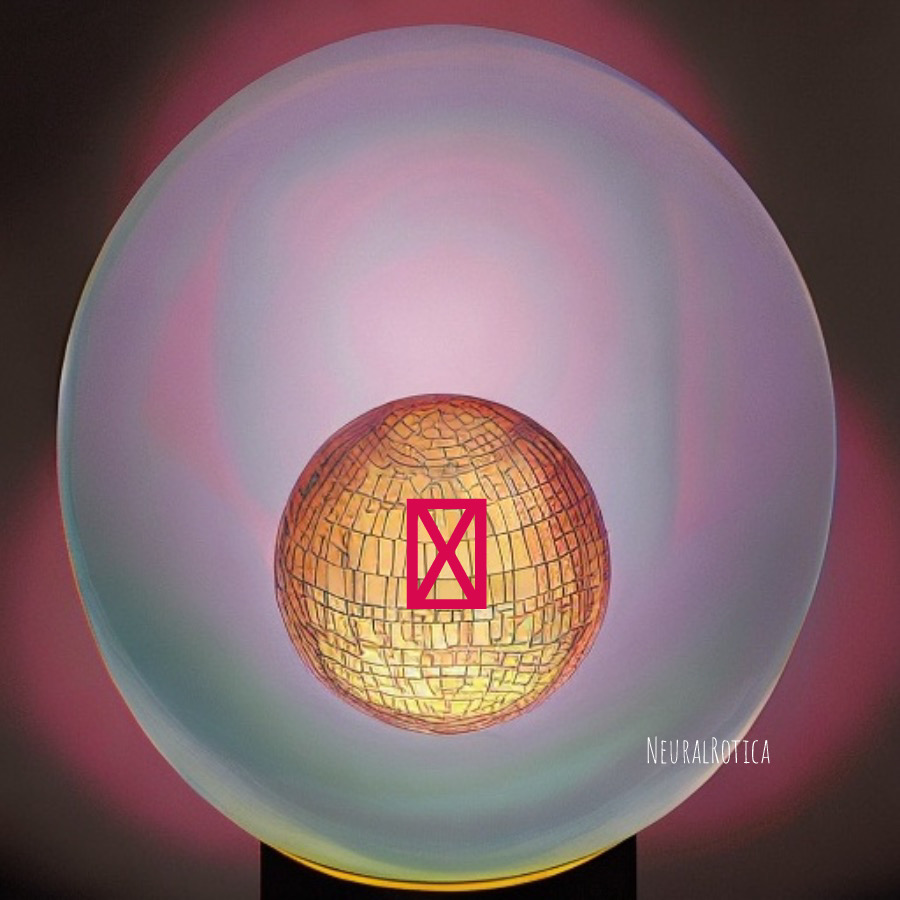
 NeuralRotica