Art, in its myriad forms, has always been a profound expression of human experience. It is a tangible manifestation of how artists comprehend the world, internalize their discoveries, and articulate their emotions. The symbiotic relationship between art and the artist is one of the most enduring and personal in the creative realm. This article delves into the intricate ways in which all art is intrinsically linked to the lifeblood of its creator: the artist.
At its core, art is a conversation between the creator and the audience, but before it reaches the public eye, it is a deeply intimate dialogue within the artist’s own psyche. Every stroke of the brush, chisel strike, or pen scribble is a word in a silent language that speaks volumes about the individual wielding the tool. The choices an artist makes—color, form, medium, and subject—are not arbitrary. They are culled from a well of personal experiences, beliefs, and emotions.
Art is a vessel for the artist’s voice, a voice that can echo through time. The Renaissance masterpieces, the profound sculptures of ancient civilizations, and the avant-garde performances of modernity all carry within them the essence of the artists. From Michelangelo to Frida Kahlo, their work is a legacy of their existence, a testament to their personal revolutions and the eras that shaped them.
Furthermore, the dependence of art on the artist reveals itself in the creative process. This process is a journey of self-discovery, where the artist must confront their strengths and vulnerabilities. The canvas becomes a confidant, the clay a companion in the exploration of self. For many artists, this process is cathartic, a means to reconcile inner turmoil or to celebrate moments of clarity and joy.
Art also depends on the artist’s vision to break boundaries. It is the artist who dares to see the world differently, to present ideas that challenge and inspire, and to innovate with materials and techniques. The evolution of art styles, from impressionism to abstract expressionism, has been propelled by these pioneering spirits who dared to express what was previously unvoiced.
In the dance between skill and imagination, it is the artist’s discipline and mastery of their craft that allows for the translation of intangible thoughts into tangible works. Mastery, however, does not imply a lack of struggle. The dependence of art on the artist is also a narrative of perseverance, of countless hours honing a craft and the relentless pursuit of a vision that often only the artist can see.
Finally, the value of art is often a reflection of the artist’s influence on society. Artistic works that resonate with audiences do so because they encapsulate something universally human, something that the artist has managed to distill from the abstract into the concrete. It is the artist’s sensitivity to the human condition, their ability to empathize, and to communicate that empathy through their work, that imbues art with its lasting impact.
In closing, to discuss art without the artist is to overlook the very heart of creative expression. Art, in all its diversity, is a mirror of the artist’s soul—a soul that questions, celebrates, mourns, and dreams. The dependence of art on the artist is not merely a factor of creation; it is the profound truth that every piece of art is a chapter in the ongoing story of human creativity, narrated by those daring enough to pick up the pen, the brush, or the chisel. As society continues to evolve, so too will art, forever bound to the spirit of those who create it.
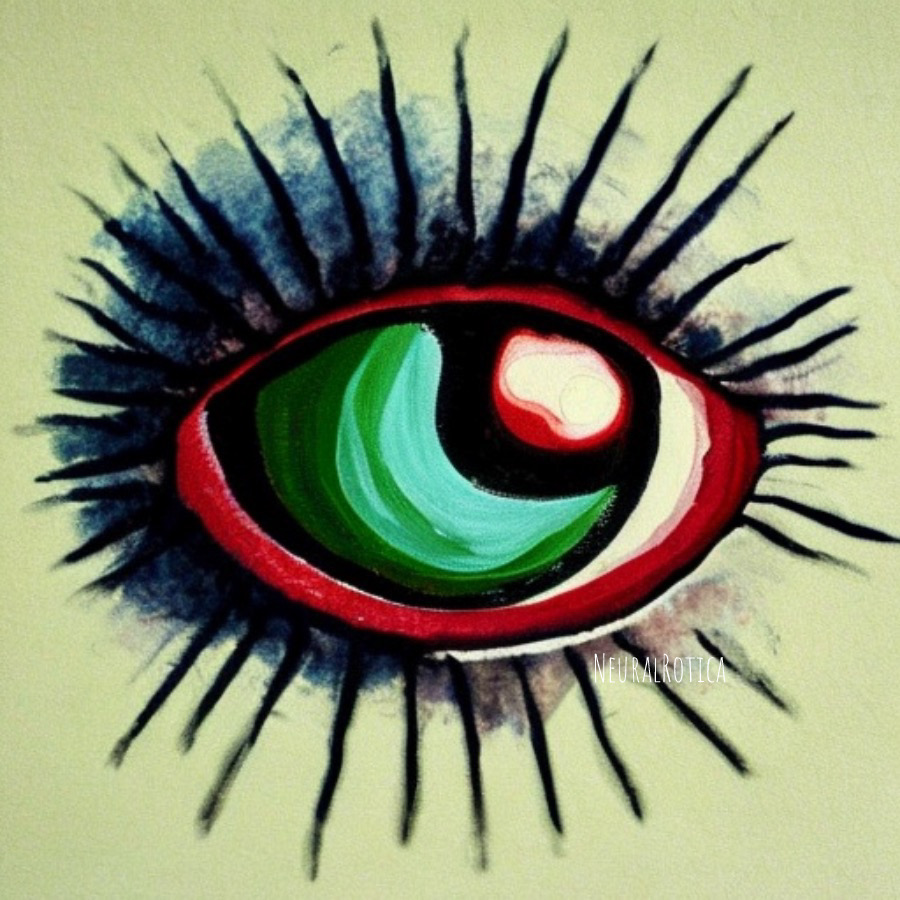
 NeuralRotica