Living on the spectrum brings a unique perspective to the world. Among the many aspects that make individuals on the spectrum remarkable is their heightened sensitivity to the world around them, including the vibrant spectrum of colors that permeate their daily lives. While each person’s experience is unique, the relationship between bright colors and those on the spectrum is a fascinating and significant one.
For many individuals on the spectrum, bright colors are not merely visually appealing; they can also hold a profound and multifaceted significance. The intensity of color can evoke strong emotional responses, providing a means of expression and communication that may differ from the norm. Bright colors can be sources of joy, comfort, and stimulation, offering a way to navigate and interpret the world.
Research suggests that people on the spectrum may experience sensory input differently than neurotypical individuals. This can manifest as a heightened sensitivity to light and color, among other sensory stimuli. For some, bright colors may be overwhelming, while for others, they can be a source of fascination and delight. Understanding and acknowledging these differences is crucial in creating environments that are inclusive and supportive for individuals on the spectrum.
In recent years, there has been a growing recognition of the importance of accommodating sensory sensitivities in various settings, from schools to workplaces and public spaces. This has led to the implementation of “sensory-friendly” initiatives, which consider factors such as lighting, color schemes, and overall sensory environments. Incorporating bright, calming colors in these initiatives can contribute to creating more comfortable and accommodating spaces for individuals on the spectrum.
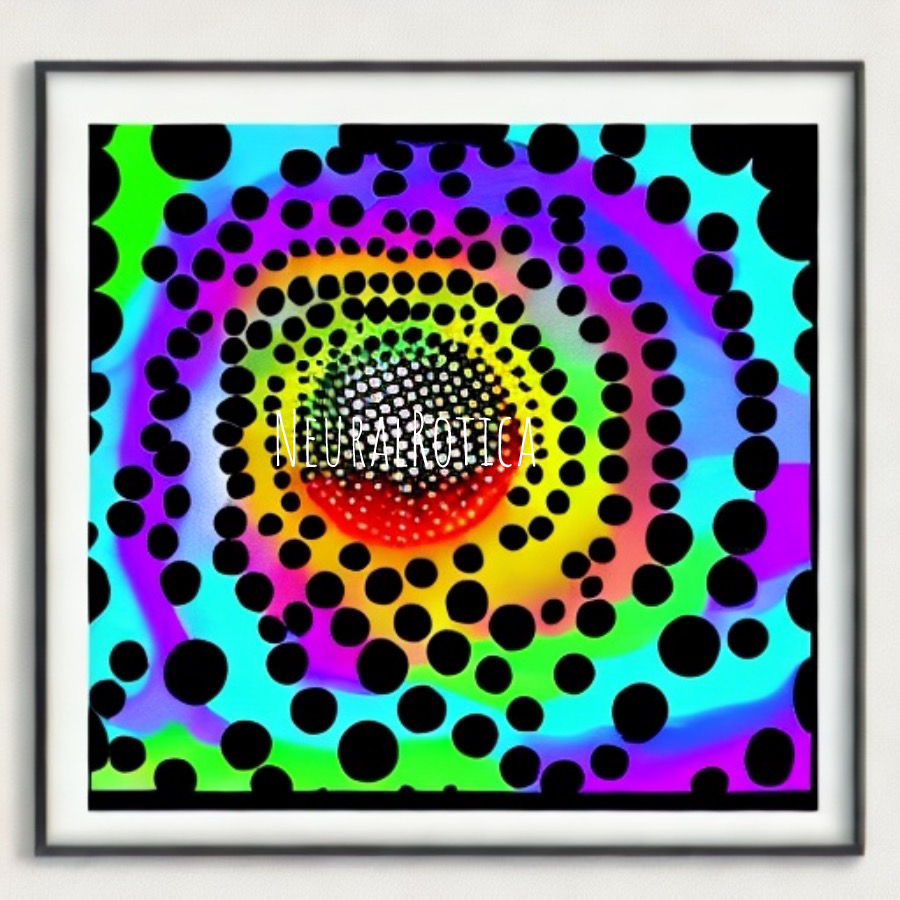
Art and creative expression also play a significant role in the lives of many individuals on the spectrum. Bright colors often feature prominently in their creative works, reflecting a unique and vibrant inner world. Art can serve as a powerful medium for self-expression, allowing individuals to communicate their emotions and experiences in ways that transcend traditional verbal communication. Through art, bright colors become a means of sharing one’s unique perspective with the world.
Moreover, the use of bright colors in everyday life can be an empowering tool for individuals on the spectrum. Whether it’s through clothing, accessories, or home decor, incorporating vibrant hues can be a way of asserting one’s individuality and embracing personal preferences. This act of self-expression is not only visually striking but also serves as a celebration of diversity and difference.
It’s important to recognize that while bright colors can be a source of joy and comfort for many individuals on the spectrum, each person’s relationship with color is deeply personal. Just as the spectrum of colors is vast and varied, so too are the experiences and preferences of those on the autism spectrum. It’s essential to approach each individual with openness and understanding, allowing them the freedom to express themselves in ways that are true to their unique sensory experiences.
In closing, the connection between bright colors and living on the spectrum is a multifaceted and deeply personal one. From sensory experiences to creative expression and self-empowerment, bright colors play a significant role in the lives of many individuals on the spectrum. By acknowledging and embracing this relationship, we can create more inclusive and supportive environments that celebrate the diverse ways in which people experience the world around them.
 NeuralRotica