In the ever-evolving landscape of art, the fusion of traditional styles with contemporary mediums has given birth to an array of innovative genres. Among these, Neon-Classical Art emerges as a captivating blend, marrying the elegance and symmetry of Neoclassicism with the vibrant, electric energy of neon lighting. This genre not only revitalizes classical art forms but also embeds them with a modernity that speaks directly to the zeitgeist of the 21st century.
Origins and Evolution
Neon-Classical Art, as a concept, began to take shape in the early 21st century, though its roots can be traced back to the neon craze of the 20th century. Initially used for advertising and signage, neon found its way into the art world through the works of pioneers like Tracey Emin and Bruce Nauman. Their exploration of neon as an artistic medium paved the way for further experimentation.
Meanwhile, the resurgence of interest in Neoclassical aesthetics—characterized by its admiration for the art and culture of ancient Greece and Rome—presented a unique contrast to the modern, industrial feel of neon. Artists began to see potential in combining these seemingly disparate elements, seeking to explore the dialogue between the ethereal beauty of classical art and the gritty, immediate presence of neon light.
Defining Characteristics
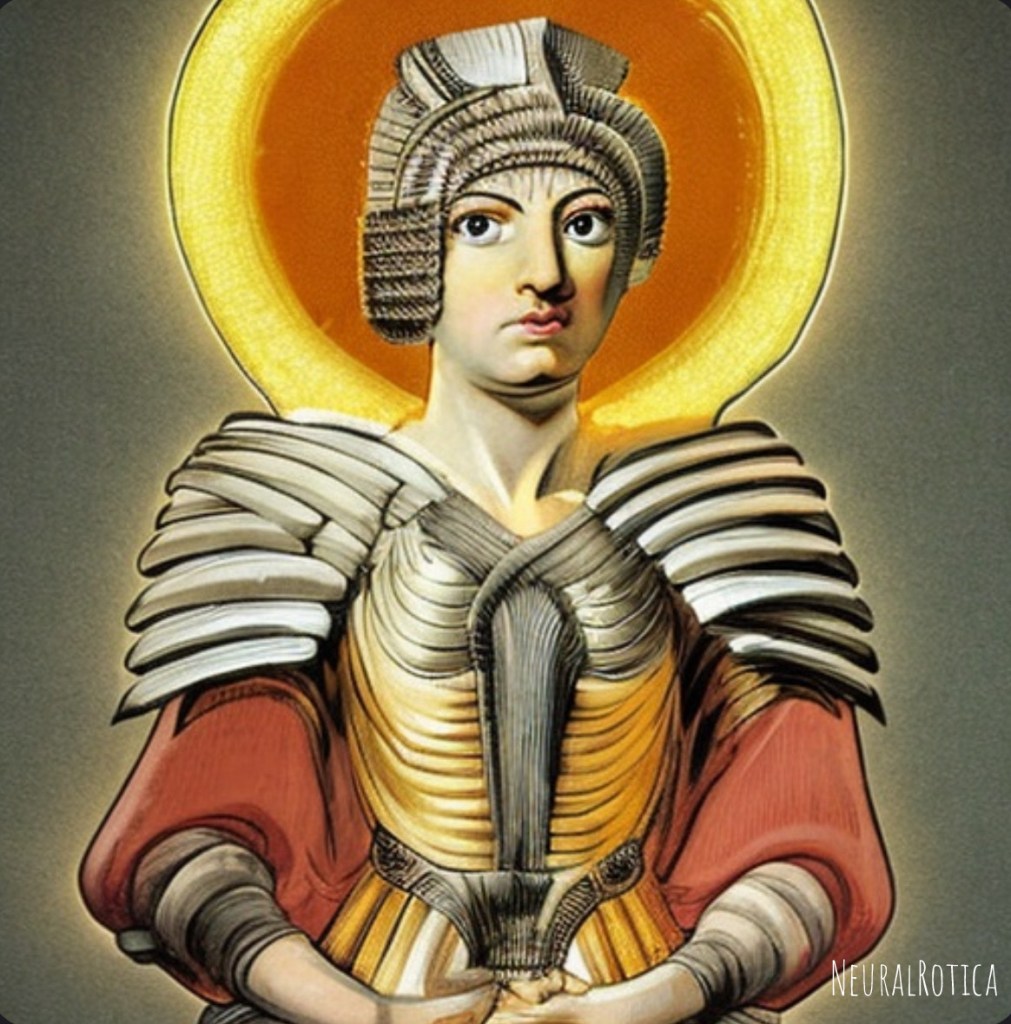
Neon-Classical Art is distinguished by its use of neon tubing to either recreate famous classical artworks or incorporate classical elements into new compositions. These works often feature the graceful lines and idealized forms typical of Neoclassical sculpture and painting, but with a twist—the subjects are outlined or filled with glowing neon lights. This juxtaposition creates a striking visual effect that bridges the gap between the ancient and the modern.
Color plays a crucial role in Neon-Classical Art. Neon lights offer a vivid palette that can be used to highlight certain features, convey emotions, or add a surreal quality to the artwork. The glow of the neon also introduces a dynamic element of light and shadow, further enhancing the depth and texture of the classical forms.
Themes and Motifs
Neon-Classical Art is rich in thematic depth, often engaging with concepts of time, beauty, and the transcendence of art. By illuminating classical figures and motifs with neon, artists comment on the enduring relevance of these ancient ideals in the modern world. Themes of love, heroism, and the divine, central to Neoclassical art, are reimagined, suggesting that these timeless concepts continue to resonate, albeit through a contemporary lens.
Moreover, there is a playful, sometimes ironic tone in the way Neon-Classical Art juxtaposes its classical subjects with the commercial connotations of neon. This duality invites viewers to reflect on the commodification of art and culture, and the ways in which ancient symbols are repurposed in contemporary society.
Impact and Reception
Neon-Classical Art has found a receptive audience both within and outside traditional art circles. Its visual appeal and innovative approach to blending historical and modern elements have attracted attention from galleries, museums, and public spaces around the world. The genre also speaks to a broader cultural interest in remixing and reinterpreting the past, making it particularly relevant in today’s eclectic artistic landscape.
Critics and scholars have praised Neon-Classical Art for its ability to engage with historical themes while also pushing the boundaries of both Neoclassicism and neon art. By breathing new life into classical forms, this genre challenges our perceptions of what classical art can be and how it can be represented.
Closing Thoughts
Neon-Classical Art stands as a testament to the power of artistic innovation and the endless possibilities that arise from the fusion of disparate styles. It not only pays homage to the past but also propels it into the future, inviting viewers to see the beauty and relevance of classical art in a new light. As this genre continues to evolve, it promises to keep illuminating the connections between our historical roots and our contemporary realities, one neon glow at a time.
 NeuralRotica