In the digital age, the fusion of the virtual and physical worlds has reached unprecedented levels, blurring the lines between reality and augmentation. Augmented Reality (AR) technology, once a mere figment of science fiction, has seamlessly integrated into our daily lives, from transforming shopping experiences to revolutionizing the way we connect with one another. However, as we navigate through this augmented landscape, a pressing question emerges: have we lost touch with the essence of genuine, in-person relationships? “Exit the Augment – A Return to Reality” delves into the crucial importance of rekindling our connection to the real world and the irreplaceable value of face-to-face interactions.
The Allure of Augmentation
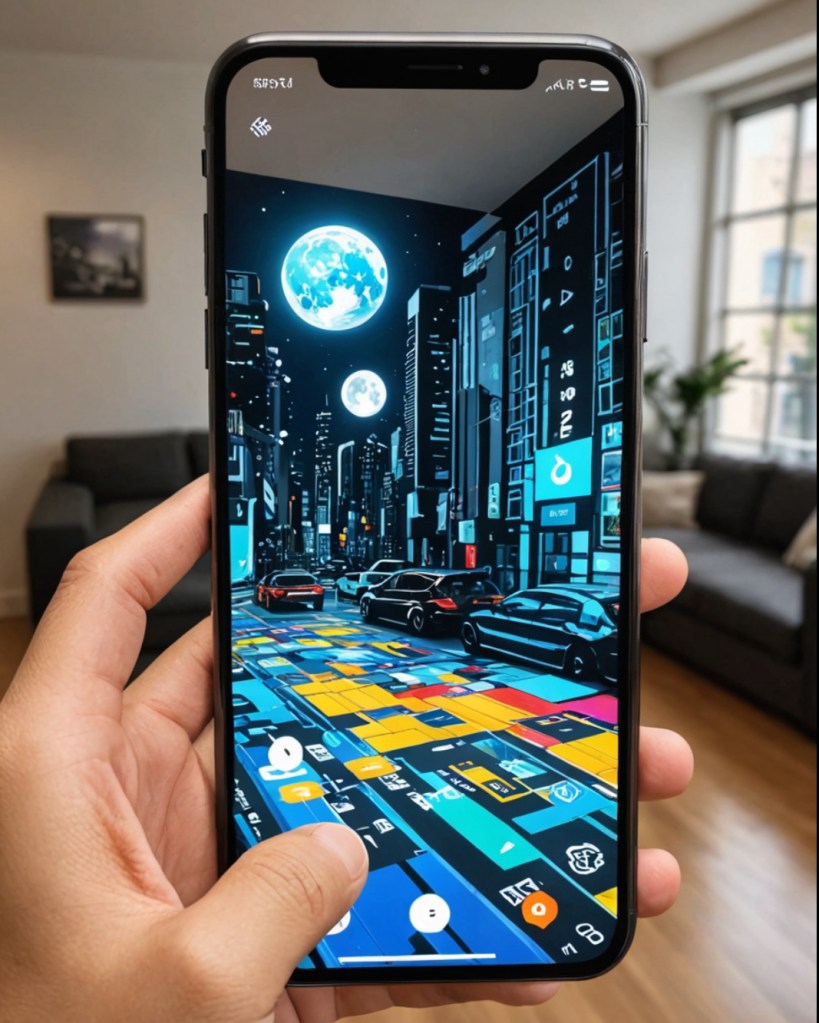
Augmented Reality, by design, enhances our sensory perception of the real world, overlaying digital information onto our physical environment. This technology has not only enriched our experiences but has also offered unparalleled convenience, allowing us to access information and connect with others instantaneously. From virtual try-ons to AR-guided surgeries, the benefits are undeniable. However, this convenience comes at a cost, subtly distancing us from the tangible world and, more importantly, each other.
The Virtual Void
As AR technologies become more sophisticated, a growing concern is the virtual void they create in human connections. Interpersonal relationships are built on a foundation of nuanced interactions, encompassing not just verbal communication but also non-verbal cues such as body language, eye contact, and physical touch. Augmented reality, for all its advancements, cannot fully replicate these subtle yet significant aspects of human interaction. This virtual void, though often imperceptible, can lead to a sense of isolation and disconnection, underscoring the need for a return to reality.
The Science of Connection
Research in psychology and neuroscience underscores the importance of in-person interactions. Physical presence activates neural pathways associated with empathy, trust, and emotional bonding, fostering deeper, more meaningful connections. Face-to-face interactions also play a crucial role in mental health, reducing feelings of loneliness and promoting a sense of belonging. In contrast, relationships maintained through a digital or augmented lens can lack the depth and emotional resonance found in those cultivated in the real world.
Reclaiming Reality
To bridge the gap between the digital and physical realms, it’s imperative to consciously prioritize real-world interactions. This does not entail abandoning technology altogether but rather adopting a more balanced approach. Here are a few strategies to consider:
- Digital Detoxes: Regularly schedule times where digital devices are set aside, encouraging direct engagement with the environment and people around you.
- Mindful Technology Use: Be intentional about when and how you use AR and other digital technologies, ensuring they serve to enhance rather than replace real-world experiences.
- Community Engagement: Seek out opportunities for in-person community involvement, whether through volunteering, joining clubs, or attending local events, to foster a sense of connection and belonging.
- Quality Over Quantity: When it comes to relationships, focus on the quality of connections rather than the quantity. Deep, meaningful interactions with a few people can be more fulfilling than numerous superficial connections.
The Way Forward
The journey back to reality is not a rejection of technology but a call to re-evaluate our relationship with it. As we stand at the crossroads of the digital and physical worlds, the choice is ours to make. By embracing the tangible essence of human connection and the invaluable experiences that the real world offers, we can enrich our lives in ways that augmentation alone cannot achieve. Let us not forget that, at the heart of every technological advancement, lies the fundamental desire to connect, understand, and belong. Exiting the augment, therefore, is not a step backward but a leap towards a more connected, empathetic, and genuinely human society.
 NeuralRotica