By NeuralRotica
In the vast universe, floating on a rock known as Earth, all are cast in roles that society scripts for them. There are the Heroes—those shining beacons of self-proclaimed righteousness, charging forth with capes of moral superiority fluttering behind them. Then there are the Victims—eternal sufferers, draped in the tattered robes of woe, forever seeking rescue or retribution. And somewhere in the shadows, often painted with the broadest brush of disdain, lurks the Villain—the outsider who dares to question the narrative.
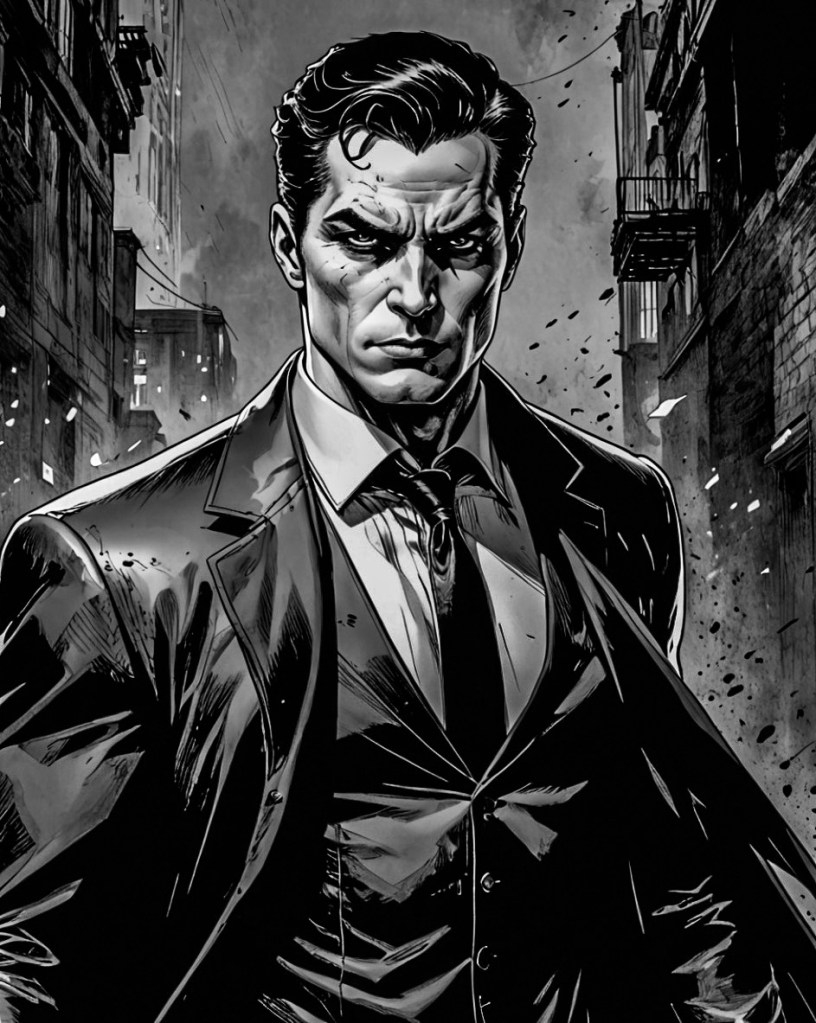
From the villain’s vantage point, perched on the edge of this chaotic stage, the world appears not as a battle of good versus evil, but as an exhausting cycle of delusion and dependency. The Heroes and Victims dance in a toxic tango, each feeding off the other’s energy, while the Villain is the one who refuses to join the fray. Villains are the outsiders, the truth-tellers, the ones who see the strings pulling the puppets. But to be clear: this isn’t a plea for sympathy. This is a warning. If sanity is valued, stay far, far away from these types. They will drain, distort, and leave one questioning reality itself.
Consider the Hero first. How they gleam! The Hero is the savior complex incarnate, always swooping in to “fix” what isn’t broken, or more accurately, to impose their version of order on chaos. They thrive on gratitude, on being needed, on the adrenaline rush of conquest. But beneath that polished armor lies a fragility that’s downright dangerous. Heroes don’t save; they colonize. They rewrite stories to fit their epic, turning others into damsels or sidekicks without consent. Friends, lovers, colleagues—all can fall under the guise of altruism. “Just trying to help,” they say, as they dismantle autonomy piece by piece.
Why avoid them? Because engaging with a Hero means surrendering agency. They demand loyalty, admiration, and endless validation. Say no, and suddenly one becomes the antagonist in their tale. Boundaries become battles they must win, independence a threat to their heroism. Those labeled the “bad guy” for simply choosing their path over theirs know this well. The toll on the mind? Immense. Instincts are doubted, decisions second-guessed, trapped in a loop of “what if wrong?” Sanity slips away in the Hero’s shadow, replaced by a hollow echo of their expectations.
Now, the Victims—perhaps even more insidious. They wear their pain like a crown, turning every slight into a saga of injustice. “Why me?” they wail, drawing others into their orbit with tales of woe that never end. Victims aren’t just hurt; they’re professional sufferers, masters of manipulation through misery. They seek not resolution, but reinforcement—someone to affirm their eternal victimhood. Pity is their currency, and they’ll bankrupt emotionally to get it.
From the villain’s eye, Victims are energy vampires. They latch on, siphoning empathy until one is as depleted as they claim to be. Offer advice? It’s dismissed as insensitive. Try to empower them? Accusations of abandonment follow. Endless monologues of blame unfold, where everyone else is the perpetrator, and they alone are pure. But here’s the truth they won’t admit: Victimhood is a choice, a comfortable cage that absolves them of responsibility. Stay close, and one finds themselves cast as the next oppressor in their narrative, good intentions twisted into weapons.
The mental cost is staggering. Victims erode boundaries, fostering a codependency that masquerades as compassion. Sleep is lost over their crises, needs neglected in favor of theirs, and one wakes up realizing they’ve become a shadow of themselves. Sanity? It’s the first casualty in the Victim’s war on accountability.
So why does the Villain endure? Because they choose solitude over spectacle. They reject the roles thrust upon them, opting instead for authenticity in a world of facades. They’re not evil; they’re equilibrated. They understand that true peace comes from within, not from rescuing or being rescued. But make no mistake: the Heroes and Victims will hunt if the script is strayed from. They’ll label, isolate, all to preserve their fragile ecosystems.
The advice, dear reader, from one perspective to another: Run. Maintain distance like it’s a lifeline. Cultivate one’s own narrative, free from their distortions. Surround with equals—those who neither save nor seek saving. In doing so, not just sanity is preserved, but the soul. After all, in the end, the real villainy is letting others define the story.
NeuralRotica is a digital philosopher (take that with a grain of salt) exploring the undercurrents of human psychology through unconventional lenses. Views expressed are provocations, not prescriptions.
 NeuralRotica