Every day, we are faced with choices that shape our lives, from the mundane to the monumental. The art of making choices transcends mere selection; it is an intricate dance influenced by our values, beliefs, and, notably, our environment. However, what happens when the choices we make are in stark contrast to the environment we find ourselves in? This article delves into the complexities of decision-making, emphasizing the power of personal agency and the often-overlooked internal landscapes that guide our choices.
Understanding Choice
The Nature of Choices
Choices are the threads that weave the fabric of our existence. In philosophy, choice is often linked to concepts of free will and determinism. Are our choices genuinely our own, or are they preordained by external factors? The interplay between autonomy and environment is crucial in understanding the nature of choice. While our surroundings undoubtedly influence our decisions, they do not entirely dictate them.
The Psychological Underpinnings
Cognitive psychology offers insights into how we make choices. The dual-process theory posits that there are two systems at play: the intuitive, automatic system (System 1) and the deliberate, analytical system (System 2). Many choices occur unconsciously, driven by biases and heuristics. However, when we slow down and engage System 2, we can make more informed and deliberate decisions.
The Role of Values and Beliefs
Our choices are often reflections of our core values and beliefs. They serve as a compass guiding us through the complexities of life. When confronted with decisions, we subconsciously weigh them against our value systems. However, when our environment promotes values that differ from our own, we may find ourselves in a state of dissonance.
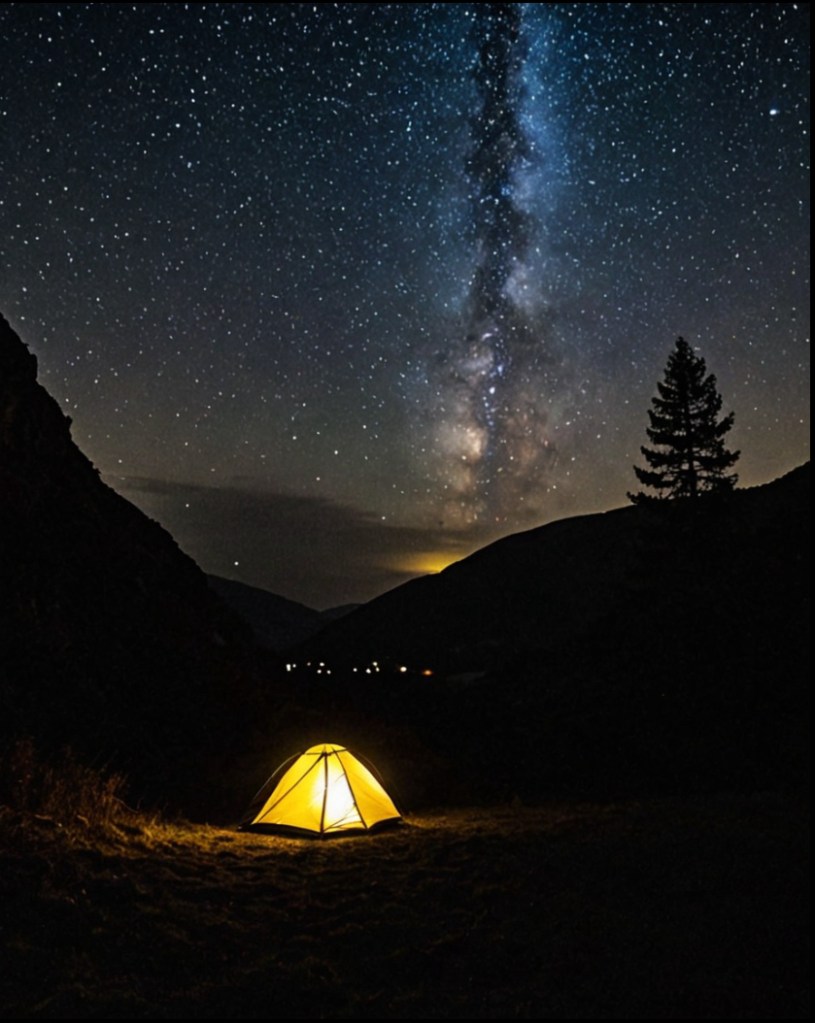
The Conflict Between Choices and Environment
The Impact of Environment on Decision-Making
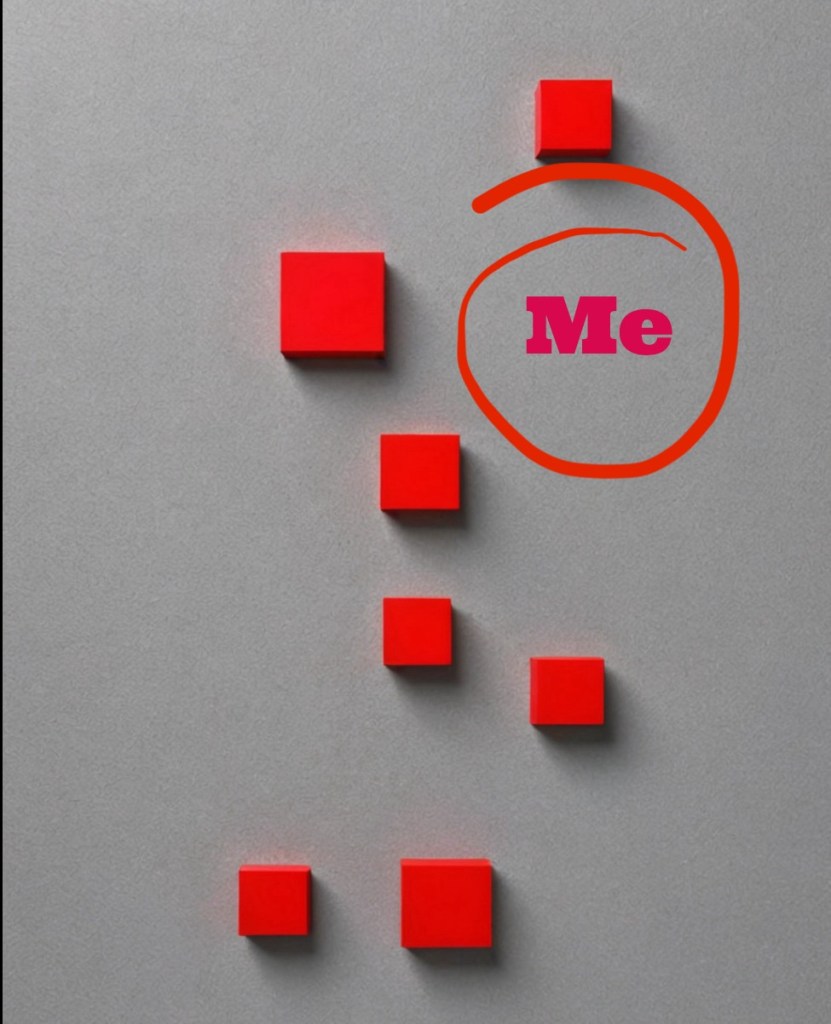
Research indicates that our environment can significantly impact our choices. This influence can manifest in various forms, including social pressures, cultural norms, and economic conditions. For instance, a person raised in a community that values collectivism may struggle to assert individual desires in a competitive environment that prizes personal achievement.
The Dissonance of Choice
When individuals find themselves in environments that clash with their intrinsic values, they often experience cognitive dissonance. This psychological discomfort can lead to stress, indecision, and even paralysis in choice-making. In such situations, individuals must navigate the tension between conforming to their environment and staying true to themselves.
The Power of Personal Agency
Despite the constraints of our surroundings, the power of personal agency cannot be overstated. Individuals possess the capacity to evaluate their choices critically, considering not just immediate consequences but long-term implications. This agency allows for the possibility of making choices that align with personal values, even when the environment suggests otherwise.
Strategies for Empowered Decision-Making
Reflection and Self-Awareness
To navigate the complexities of choice, individuals must cultivate self-awareness. Reflecting on personal values, desires, and motivations can help clarify what truly matters. Journaling, meditation, and introspective practices can facilitate this process, allowing individuals to articulate their values and the reasons behind their choices.
Seeking Diverse Perspectives
Engaging with diverse viewpoints can provide clarity and broaden the decision-making landscape. Conversations with individuals from different backgrounds, cultures, and experiences can illuminate alternative paths and solutions. By understanding various perspectives, individuals can better assess their own choices against a broader spectrum of possibilities.
Embracing Uncertainty
The fear of making the wrong choice can be paralyzing. However, embracing uncertainty is a crucial aspect of the art of choices. Recognizing that no decision is without risk enables individuals to move forward despite potential outcomes. Cultivating resilience and adaptability can empower individuals to navigate the unknown with confidence.
Creating Supportive Environments
While individuals cannot always change their surroundings, they can strive to create supportive environments that foster their values. This might involve seeking out communities, friendships, or professional networks that align with personal beliefs. Building a support system can mitigate the pressures of conflicting environments, providing encouragement and validation.
Closing Thought
The art of choices is a nuanced and deeply personal journey. While our environments undoubtedly shape our decision-making processes, they do not dictate our choices. By cultivating self-awareness, seeking diverse perspectives, embracing uncertainty, and creating supportive environments, individuals can navigate the intricate landscape of decision-making with authenticity and purpose. Ultimately, the art of choices is about aligning our decisions with our true selves, even when the world around us challenges that alignment. In a world rich with complexity, the ability to choose authentically is not just an art form; it is a vital expression of our humanity.







 NeuralRotica