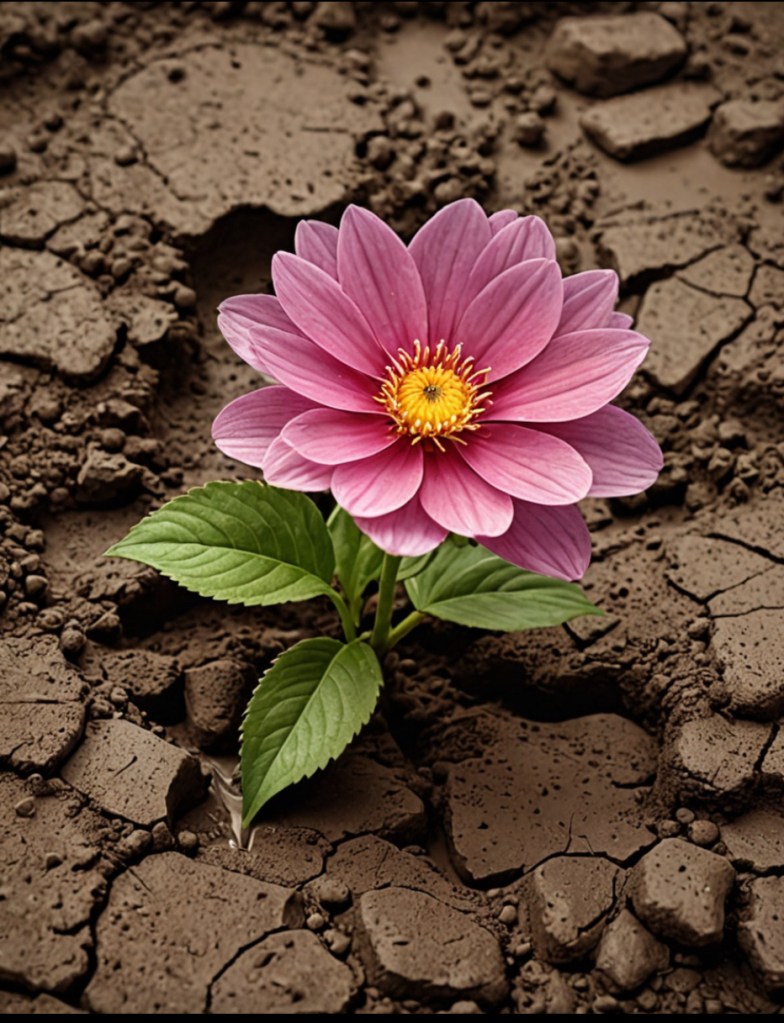
Often, the sophisticated and the cynical are glorified, yet the art of innocence in naivety stands out as a rare and valuable trait. Naivety, when perceived through a positive lens, can be a profound expression of purity, untainted by the complexities and harshness of modern life. This purity allows individuals to approach the world with an open heart and a fresh perspective, often leading to innovative thinking and profound connections with others.
The Essence of Naivety
Naivety is frequently misunderstood as mere ignorance or a lack of experience. However, true naivety is much more nuanced. It is an openness to experience, a willingness to see the world without the filters of cynicism or prejudice. This form of innocence is not about being uninformed; rather, it’s about maintaining a sense of wonder and possibility in the face of knowledge.
At its core, naivety is rooted in trust and optimism. It is the belief that people are generally good, that opportunities abound, and that problems can be solved with goodwill and creativity. This mindset can be incredibly powerful, fostering an environment where new ideas can flourish and human connections can deepen.
The Beauty of Innocence
The innocence inherent in naivety is a beautiful and transformative force. It allows individuals to engage with the world in a way that is genuine and heartfelt. This can lead to moments of profound creativity and inspiration, as the innocent mind is not constrained by the limitations and doubts that often accompany experience and knowledge.
Artists, in particular, often tap into this sense of innocence to create works that resonate on a deeply emotional level. The ability to see the world with fresh eyes can lead to unique and powerful artistic expressions that touch the hearts of audiences. This is evident in the works of artists like Henri Rousseau, whose naive art style captured the imagination with its simplicity and directness.
The Wisdom in Naivety
While naivety is often associated with youth, it is a trait that can be cultivated and maintained throughout life. This requires a conscious effort to balance the innocence of naivety with the wisdom gained from experience. It is about learning to navigate the complexities of the world without losing sight of the simple truths that underpin our humanity.
There is a profound wisdom in recognizing the value of naivety. It reminds us that not all knowledge is beneficial if it leads to cynicism or despair. Sometimes, the most profound insights come not from what we know, but from what we are willing to believe. This balance between innocence and wisdom allows individuals to remain open to new experiences and ideas, while also navigating life’s challenges with grace and resilience.
Cultivating Naivety in a Modern World
Maintaining a sense of naivety can be challenging. However, there are ways to cultivate this trait:
Practice Mindfulness: Engaging in mindfulness practices can help individuals stay present and appreciate the world around them with a sense of wonder.
Nurture Curiosity: Embrace curiosity and a desire to learn new things. Approach new experiences with an open mind and a willingness to be surprised.
Foster Gratitude: Regularly reflecting on the positive aspects of life can help maintain a sense of optimism and trust in the goodness of the world.
Engage with Art and Nature: Spending time with art and in nature can help reconnect individuals with the beauty and simplicity of the world.
Surround Yourself with Positive Influences: Build a community of like-minded individuals who value innocence and optimism. Positive social interactions can reinforce these traits.
Closing Thought
The art of innocence in naivety is a delicate balance between purity and wisdom. It is a mindset that allows individuals to approach the world with an open heart, fostering creativity, connection, and a profound sense of joy. Often, sophistication and cynicism are valued, but maintaining a sense of naivety can be a radical and transformative act. By embracing this art, we can cultivate a richer, more compassionate, and more vibrant experience of life.
In the evolving landscape of art and technology, Artificial Intelligence (AI) has emerged as a powerful force, provoking a spectrum of reactions from excitement to trepidation among artists. Many fear that AI could overshadow human creativity or render traditional skills obsolete. However, with a thoughtful approach, artists can navigate and leverage AI to enhance their craft rather than be threatened by it. This article aims to demystify AI for artists, offering practical advice on how to harness this technology to expand creative horizons while maintaining the integrity of their unique artistic vision.
Understanding AI: A Tool, Not a Replacement
1. AI as a Collaborative Partner: AI should be viewed as a tool that can augment human creativity, not as a replacement for it. Just as digital tools like Photoshop or Procreate have become extensions of the artist’s toolkit, AI can serve as a collaborator that enhances creative processes. Artists can use AI to generate new ideas, explore different styles, and even automate tedious tasks, freeing up more time for the creative aspects they truly enjoy.
2. The Unique Value of Human Creativity: AI excels at pattern recognition and data processing but lacks the emotional depth, subjective experience, and cultural context that human artists bring to their work. These qualities are irreplaceable and form the core of what makes art meaningful. Understanding this can help artists view AI as a complement to their creativity rather than a competitor.
Practical Ways to Leverage AI in Art
1. Idea Generation and Brainstorming: AI-powered tools like DeepDream and Artbreeder can help artists explore uncharted territories of visual expression. These tools can generate unique images based on specific inputs, serving as a source of inspiration or a starting point for new projects. By experimenting with AI-generated visuals, artists can discover novel concepts and styles that they might not have conceived on their own.
2. Enhancing Workflow Efficiency: AI can streamline various aspects of the artistic process. For instance, Adobe’s Sensei AI can assist with tasks like photo editing, color matching, and object recognition, significantly reducing the time spent on mundane tasks. This allows artists to focus more on the creative decision-making process.
3. Personalized Learning and Skill Development: AI-driven platforms like Skillshare and Coursera offer personalized learning experiences, tailoring courses and tutorials to individual skill levels and interests. This personalized approach can help artists continuously improve their craft, learning new techniques and staying updated with industry trends.
4. Expanding Creative Possibilities: Artists can use AI to explore styles and techniques beyond their usual repertoire. For example, GANs (Generative Adversarial Networks) can create new artworks by learning from existing pieces. This can be particularly useful for artists looking to experiment with different genres or media without extensive training in those areas.
Addressing Common Fears and Misconceptions
1. Fear of Job Displacement: One of the most common fears is that AI will take over jobs traditionally held by artists. However, AI is more likely to create new opportunities rather than eliminate existing ones. As technology evolves, new roles and specializations emerge, requiring human creativity and oversight. Artists who adapt and learn to work alongside AI can find themselves at the forefront of these new opportunities.
2. Concerns About Authenticity: There’s a concern that AI-generated art lacks the authenticity and personal touch of human-created art. While AI can generate technically proficient pieces, it cannot replicate the unique perspective and emotional depth of human artists. The value of art lies not just in the final product but in the story, intention, and emotion behind it—all elements that are intrinsically human.
3. Ethical Considerations: The use of AI in art raises important ethical questions, particularly regarding authorship and originality. Artists should stay informed about these issues and engage in discussions about the ethical use of AI. By understanding the implications and setting personal boundaries, artists can ensure their work remains authentic and ethically sound.
Embracing the Future: Continuous Learning and Adaptation
The integration of AI into the art world is an ongoing process, and staying informed is key to leveraging its benefits. Here are some steps artists can take:
1. Stay Informed: Regularly read articles, attend workshops, and participate in forums about AI and its applications in art. Knowledge is power, and staying updated will help artists make informed decisions about how to use AI.
2. Experiment and Play: Don’t be afraid to experiment with AI tools. The best way to understand what AI can offer is to dive in and start playing with the technology. This hands-on experience can demystify AI and reveal its potential in a practical, personal context.
3. Network and Collaborate: Connect with other artists and technologists who are exploring AI. Collaboration can lead to new insights and opportunities, fostering a community of practice that supports mutual growth and innovation. By sharing experiences and learning from peers, artists can navigate the AI landscape more effectively.
4. Advocate and Educate: Artists have a role to play in shaping the future of AI in art. By participating in discussions, panels, and advocacy groups, they can influence how AI technologies are developed and used. Educating others about the benefits and challenges of AI in art can also help demystify the technology and reduce fear.
Resources for Artists Interested in AI
To help artists get started with AI, here are some valuable resources:
1. Online Courses and Tutorials:
Coursera and Udacity: Offer courses on AI, machine learning, and their applications in creative fields.
LinkedIn Learning: Provides tutorials on using AI tools like Adobe Sensei and other creative software.
2. AI Art Tools:
DeepDream Generator: Allows artists to create surreal, dream-like images using AI.
Artbreeder: A platform for collaborative, AI-generated art creation.
RunwayML: Provides an easy-to-use interface for experimenting with machine learning models in creative projects.
3. Communities and Forums:
AIArtists.org: A community and resource hub for artists working with AI.
Artists and Machine Intelligence (AMI): A program by Google Arts & Culture that supports artists working with machine learning.
4. Books and Articles:
“Artificial Intelligence: A Guide for Thinking Humans” by Melanie Mitchell: Offers an accessible overview of AI and its implications.
“The Creativity Code: How AI is Learning to Write, Paint and Think” by Marcus du Sautoy: Explores how AI intersects with human creativity.
Closing Thought – Embracing AI as a Catalyst for Creativity
The rise of AI in the art world represents a significant shift, one that can be both exciting and intimidating. However, by approaching AI as a tool for enhancement rather than a threat, artists can unlock new dimensions of creativity and innovation. The key lies in staying informed, experimenting with new technologies, and engaging with the broader artistic and technological communities.
As with any technological advancement, there will be challenges and ethical considerations to navigate. By maintaining a focus on the unique qualities that human artists bring to their work—emotional depth, cultural context, and personal perspective—artists can ensure that their creations remain authentic and meaningful.
In the end, AI has the potential to expand the boundaries of what is possible in art, offering new ways to express ideas and connect with audiences. By embracing this potential and integrating AI thoughtfully into their practice, artists cannot only safeguard their future but also lead the way in a new era of artistic innovation.
Passion is a term that resonates deeply with the human spirit, often evoking images of intense emotion, fervent dedication, and a zest for life. But what truly defines passion? Is it simply a strong emotion, or is it an art form that shapes our very existence? This article delves into the multifaceted nature of passion, examining its origins, its impact on our lives, and how cultivating passion can lead to a more fulfilling and meaningful existence.
The Origins of Passion
Passion, derived from the Latin word “passio,” originally meant “suffering” or “enduring.” Over time, the term evolved to encompass a broader range of meanings, including “intense emotion” and “ardent affection.” This evolution highlights the dual nature of passion: it can be both a source of great joy and profound struggle.
Historically, passion has been a driving force behind some of humanity’s greatest achievements. From the artistic masterpieces of the Renaissance to the scientific breakthroughs of the modern era, passionate individuals have pushed the boundaries of what is possible, often at great personal cost. Figures like Leonardo da Vinci, Marie Curie, and Martin Luther King Jr. exemplify how passion can inspire monumental contributions to society.
The Anatomy of Passion
Passion is not a monolithic concept; it is a complex interplay of various elements. To understand the anatomy of passion, we must consider its three core components: emotional intensity, dedication, and purpose.
Emotional Intensity: At its core, passion is fueled by strong emotions. Whether it is love, excitement, or even anger, these emotions provide the energy needed to pursue one’s goals with vigor. Emotional intensity can be both a blessing and a curse, as it can drive individuals to achieve greatness or lead them to burnout if not properly managed.
Dedication: Passion is not merely a fleeting feeling; it requires sustained effort and commitment. Dedication is the bridge between inspiration and realization, transforming dreams into reality. This aspect of passion demands perseverance, resilience, and a willingness to overcome obstacles.
Purpose: Passion is most powerful when it is aligned with a sense of purpose. This purpose provides direction and meaning, guiding individuals toward goals that resonate with their values and aspirations. A clear sense of purpose can sustain passion through challenging times, acting as a beacon that lights the way forward.
The Impact of Passion on Our Lives
Passion can have a profound impact on various aspects of our lives, from our careers to our personal relationships. Here are some ways in which passion shapes our existence:
Career Fulfillment: Passionate individuals often find greater satisfaction in their careers. When work aligns with one’s passions, it becomes more than just a job; it becomes a calling. This alignment can lead to increased motivation, creativity, and productivity, ultimately contributing to professional success and personal fulfillment.
Personal Growth: Pursuing one’s passions fosters personal growth and self-discovery. The journey of passion often involves stepping out of one’s comfort zone, taking risks, and learning from failures. These experiences build resilience, self-confidence, and a deeper understanding of oneself.
Relationships: Passionate individuals tend to form deeper and more meaningful connections with others. Shared passions can bring people together, creating bonds based on mutual interests and values. Moreover, passion in romantic relationships can lead to greater intimacy and emotional connection.
Well-being: Engaging in activities that ignite passion can have positive effects on mental and physical well-being. Passionate pursuits can reduce stress, enhance mood, and provide a sense of purpose and fulfillment. Additionally, the flow state often associated with passionate activities can lead to a heightened sense of presence and contentment.
Cultivating Passion
While some people seem naturally passionate, it is possible for anyone to cultivate passion in their lives. Here are some strategies to help you discover and nurture your passions:
Explore New Interests: Step out of your routine and try new activities. Attend workshops, take up hobbies, or volunteer for causes that interest you. Experimenting with different pursuits can help you identify what truly resonates with you.
Reflect on Your Values: Take time to reflect on your core values and what matters most to you. Aligning your activities with your values can help you find a sense of purpose and passion.
Set Goals: Establish clear, achievable goals related to your passions. Setting goals provides direction and motivation, helping you stay focused and committed.
Surround Yourself with Passionate People: Seek out individuals who are passionate about their pursuits. Their enthusiasm can be contagious, inspiring you to pursue your own passions with greater zeal.
Embrace Failure: Understand that failure is a natural part of the journey toward passion. Instead of fearing failure, view it as an opportunity to learn and grow. Each setback provides valuable lessons that can guide you closer to achieving your goals. Embracing failure with a growth mindset allows you to remain resilient and persistent in the face of challenges. Practice Mindfulness: Mindfulness can help you stay present and fully engaged in your activities. By being mindful, you can cultivate a deeper connection to your passions, enhance your appreciation for the process, and reduce the distractions that can hinder your progress. Balance Passion with Self-Care: While passion can be an incredibly motivating force, it’s essential to maintain a balance to avoid burnout. Ensure you take time for rest, relaxation, and self-care. This balance will help sustain your passion over the long term. The Role of Passion in Society Passion is not just a personal phenomenon; it has significant societal implications. Passionate individuals often drive social change, innovation, and cultural evolution. Here are a few ways passion shapes society: Innovation and Creativity: Passionate individuals are often at the forefront of innovation. Their dedication to their interests can lead to groundbreaking discoveries, technological advancements, and artistic masterpieces. Their enthusiasm can inspire others, fostering a culture of creativity and progress. Social Movements: Many social movements are born out of passion. Activists who are deeply passionate about social justice, environmental sustainability, and human rights can galvanize communities, advocate for change, and challenge the status quo. Their passion can ignite collective action and drive meaningful societal transformations. Education and Mentorship: Passionate educators and mentors play a crucial role in shaping future generations. Their enthusiasm for their subjects can inspire students, instill a love of learning, and foster curiosity. Passionate mentors can also guide and support individuals in discovering and pursuing their own passions. Community Building: Passionate individuals often create and nurture communities centered around shared interests and values. These communities provide a sense of belonging, support, and collaboration. They can also serve as incubators for new ideas and initiatives, contributing to the social and cultural fabric of society. The Art of Balancing Passion While passion is a powerful force, it is essential to strike a balance to ensure it enhances rather than detracts from your life. Here are some tips for balancing passion with other aspects of your life: Set Boundaries: Establish clear boundaries to ensure your passion does not consume every aspect of your life. Allocate specific times for your passionate pursuits while leaving room for other responsibilities and interests. Prioritize Relationships: Maintain and nurture your relationships with family and friends. While it is important to dedicate time to your passions, meaningful relationships provide emotional support and balance. Diversify Interests: Cultivate a variety of interests to prevent burnout and maintain a well-rounded life. Engaging in different activities can provide fresh perspectives and prevent your passion from becoming overwhelming. Stay Grounded: Keep your passion grounded in reality by setting realistic expectations and goals. Understand that the journey will have its ups and downs, and maintain a balanced perspective to navigate the challenges.
Closing Thought
Passion is an art form that infuses our lives with meaning, purpose, and vitality. It is the spark that ignites our dreams, fuels our ambitions, and drives us to overcome obstacles. By understanding the anatomy of passion, recognizing its impact on our lives, and cultivating it with intention, we can unlock its transformative power.
Embracing the art of passion allows us to reconnect with our authentic selves and pursue a life that resonates with our deepest values. As we navigate our individual journeys, let us remember that passion is not just a fleeting emotion but a lifelong endeavor—an art form that shapes our existence and enriches our collective human experience.
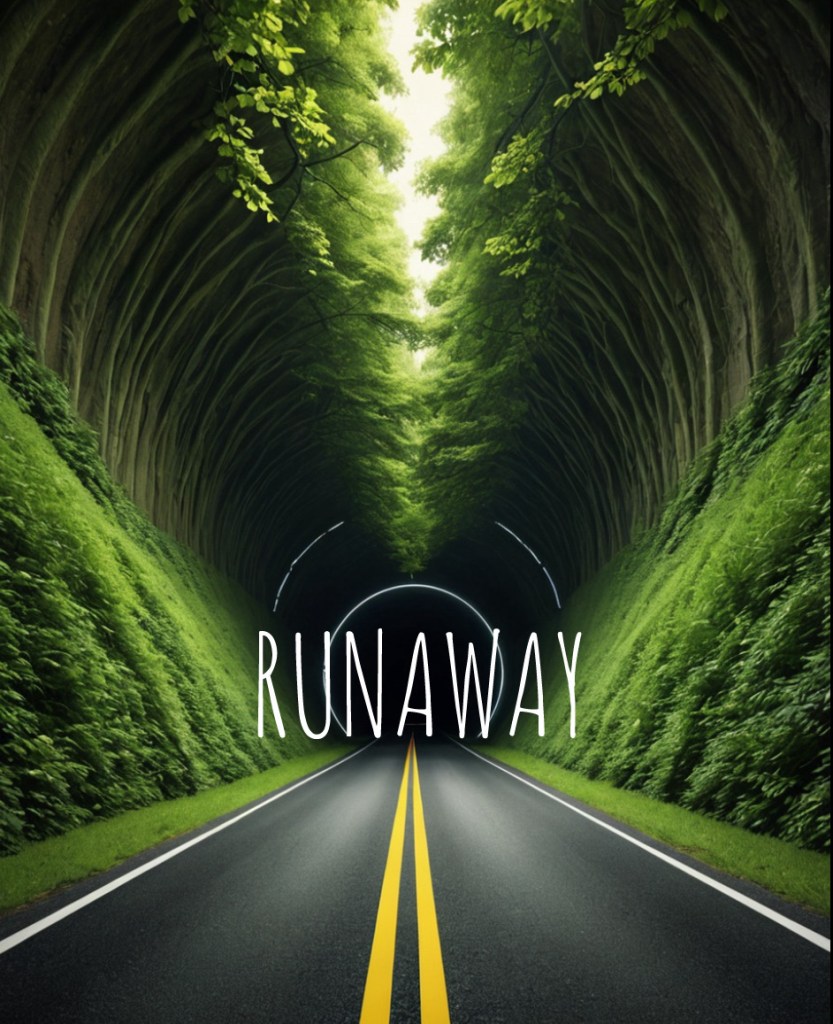
In a world where stability and routine are often prized, the concept of leaving it all behind can be both exhilarating and terrifying. The notion of a “runaway” can evoke images of adventure, freedom, and the quest for self-discovery. Yet, it also brings to mind the challenges and uncertainties that come with such a drastic decision. In this article, we will explore the art of running away — not as an act of cowardice, but as a deliberate, courageous choice to seek a life that aligns more closely with one’s true self.
The Call to Run Away
The urge to run away is a deeply human one, rooted in our desire for change and new experiences. For some, it’s a response to the suffocating pressures of modern life — the endless grind of work, the stifling expectations of society, or the monotony of a life that feels unfulfilling. For others, it’s a quest for something more profound: a search for meaning, self-discovery, or the pursuit of a dream that feels out of reach within the confines of their current existence.
The decision to run away is often preceded by a period of intense introspection. It’s a time when individuals confront their deepest fears, desires, and aspirations. This process can be triggered by a variety of factors, such as a personal crisis, a significant life event, or a growing sense of dissatisfaction with the status quo.
The Art of Preparation
Running away is not an impulsive act; it requires careful planning and preparation. This phase is crucial for ensuring that the decision to leave is sustainable and that the individual is equipped to handle the challenges that lie ahead.
Financial Planning
One of the most critical aspects of preparation is financial planning. Ensuring that you have enough savings to support yourself during the transition period is essential. This might involve creating a budget, cutting unnecessary expenses, and setting up a financial safety net. Additionally, it may be wise to explore alternative income sources, such as freelance work or remote jobs, that can provide financial stability while you navigate your new path.
Emotional Preparation
Leaving everything behind is an emotional journey as much as it is a physical one. It’s important to mentally prepare for the feelings of uncertainty, loneliness, and doubt that may arise. Building a support network of friends, family, or like-minded individuals can provide a sense of community and reassurance during this time. Therapy or counseling can also be beneficial in helping to process emotions and develop coping strategies.
Practical Considerations
Practical considerations, such as housing, transportation, and healthcare, must also be addressed. Researching and securing a place to stay, whether it’s a temporary rental, a hostel, or a long-term living arrangement, is crucial. Ensuring access to healthcare and understanding the legal implications of your move, such as visas or residency requirements, are also important steps.
The Journey Begins
Once the preparations are in place, the journey of running away truly begins. This phase is characterized by exploration, adaptation, and growth. It’s a time to embrace new experiences, challenge oneself, and cultivate a sense of resilience.
Embracing Change
Embracing change is a fundamental aspect of the runaway experience. It involves letting go of old habits, routines, and mindsets that no longer serve you. This can be both liberating and daunting. It’s an opportunity to reinvent yourself, explore new interests, and discover hidden talents. By staying open to new experiences and being willing to step outside your comfort zone, you can unlock a world of possibilities.
Building a New Life
Building a new life from scratch is a daunting task, but it’s also incredibly rewarding. It’s a chance to create a life that aligns with your values, passions, and aspirations. This might involve pursuing a new career, starting a business, or immersing yourself in a different culture. It’s important to set realistic goals and take small, manageable steps towards achieving them. Patience and perseverance are key, as building a new life takes time and effort.
Navigating Challenges
The journey of running away is not without its challenges. There will be moments of doubt, fear, and uncertainty. It’s important to acknowledge these feelings and address them constructively. Developing problem-solving skills, cultivating a positive mindset, and seeking support when needed can help you navigate these challenges. Remember that setbacks are a natural part of the process and can provide valuable lessons for growth and self-improvement.
The Art of Reinvention
At its core, the art of running away is about reinvention. It’s about shedding the layers of who you were to become who you truly want to be. It’s a journey of self-discovery, personal growth, and transformation.
Finding Your True Self
One of the most profound aspects of running away is the opportunity to find your true self. Stripped of the expectations and pressures of your old life, you can explore your identity, values, and passions in a more authentic and uninhibited way. This process often involves deep introspection and self-reflection, as well as the willingness to confront and let go of limiting beliefs and behaviors.
Cultivating New Connections
Running away also presents the chance to form new connections and relationships. These can be incredibly enriching, as they often come with fresh perspectives and different cultural experiences. Engaging with local communities, participating in social events, or joining interest-based groups can help build a new support network. These connections can provide a sense of belonging and enhance your journey of self-discovery.
Embracing Minimalism
Many who choose to run away find that embracing minimalism — the practice of living with fewer material possessions — can be both practical and liberating. By prioritizing experiences over things, you can reduce the burden of physical belongings and create more space for personal growth and freedom. This shift can lead to a more fulfilling and intentional way of life.
The Return: Coming Full Circle
While some may choose to never return to their old lives, others may find that running away is a temporary phase that ultimately leads them back home. However, this return is often marked by profound changes in perspective and self-awareness.
Integrating New Insights
Returning home after a period of running away involves integrating the insights and lessons learned on the journey. This might mean making significant changes to your lifestyle, career, or relationships based on your newfound understanding of yourself and what you truly value. The reintegration process can be challenging, as it requires balancing the wisdom gained from your experience with the practicalities of everyday life.
Sharing Your Story
Sharing your story of running away and the transformation it brought can be a powerful way to inspire and support others who may be contemplating a similar path. Whether through writing, speaking, or simply engaging in conversations, your experiences can provide valuable insights and encouragement to those seeking change. Storytelling also helps in solidifying your own growth and understanding of the journey.
Continuing the Journey
Ultimately, running away is not just a one-time event but a continuous journey. The desire for exploration, growth, and self-discovery doesn’t end once you return home or settle into a new routine. It’s an ongoing process of adapting, learning, and evolving. Embracing this mindset ensures that the spirit of running away — the courage to seek change and pursue authenticity — becomes a permanent aspect of your life.
Closing Thought
The art of running away is a complex and deeply personal journey that requires courage, preparation, and resilience. It’s an act of profound self-love and a commitment to living a life that is true to who you are. Whether it leads to a permanent change or a temporary escape, the experience of running away can provide invaluable insights, foster personal growth, and ultimately lead to a more fulfilling and authentic life.
In a world that often values conformity and stability, the choice to leave it all behind and pursue a different path is a radical and inspiring act. It’s a reminder that we all have the power to redefine our lives, seek new horizons, and discover the limitless potential within ourselves. So, if you ever feel the call to run away, remember that it’s not just about leaving everything behind — it’s about running towards a life that truly resonates with your soul.
Decision making is a fundamental aspect of human existence, weaving the fabric of our past, present, and future. Each choice, no matter how trivial it may seem, sets in motion a cascade of events that shape our lives in profound ways. Understanding the art of decision making involves examining how past choices influence the present, how current decisions shape the future, and the immutable nature of the past.
The Echoes of the Past
Our present is a mosaic of past decisions. Each choice we made, consciously or unconsciously, has contributed to the path we walk today. This phenomenon can be understood through the lens of causality—every effect has a cause. For instance, choosing a particular career path years ago determines our current job, income level, and professional network. Similarly, personal choices like relationships, health habits, and education have long-lasting impacts.
Reflecting on past decisions provides valuable insights. It helps us understand our patterns, strengths, and areas for improvement. By analyzing past choices, we can identify recurring themes and outcomes, enabling us to make more informed decisions in the future. It’s crucial, however, to avoid becoming mired in regret. The art of decision making involves learning from the past without being trapped by it.
The Present – The Crucible of Decision
The present moment is the crucible in which decisions are made. It is the only time we have control over, making it the most critical period for shaping our future. Decisions made today are influenced by past experiences but are also guided by our current values, knowledge, and circumstances.
Making effective decisions in the present requires a balance of intuition and rationality. Intuition, honed by past experiences, allows us to make quick, often accurate judgments. Rationality, on the other hand, involves deliberate analysis and evaluation of options and potential outcomes. Combining these approaches leads to more balanced and effective decision making.
Moreover, the present is where we must exercise mindfulness. Being fully aware of our current situation, emotions, and thoughts allows us to make decisions that align with our long-term goals and values. Mindfulness also helps in managing stress and anxiety, which can cloud judgment and lead to poor decisions.
Shaping the Future
Every decision made in the present has the potential to alter the trajectory of the future. This is where the art of foresight comes into play. Effective decision making involves anticipating the long-term consequences of our choices and considering multiple scenarios.
Strategic thinking is essential for shaping a desirable future. It requires setting clear goals, understanding potential risks and opportunities, and being adaptable. Flexibility is crucial because the future is inherently uncertain, and the ability to adjust plans in response to changing circumstances can make the difference between success and failure.
Furthermore, ethical considerations should guide our decisions. The future is not just about personal success but also about contributing to the well-being of others and the environment. Decisions made with integrity and compassion create a positive ripple effect, fostering a better future for all.
The Immutable Past
One of the fundamental principles of time is its unidirectional flow. The past is immutable; no present or future decision can alter what has already occurred. This understanding is crucial for maintaining a forward-looking perspective. Dwelling on past mistakes or missed opportunities can lead to stagnation and regret.
Instead, the past should be viewed as a reservoir of lessons. Each mistake is an opportunity for growth, and each success is a foundation for future achievements. By embracing the past as a teacher rather than a chain, we can liberate ourselves to make better decisions in the present and future.
Closing Thought
The art of decision making is a dynamic interplay between the past, present, and future. While the past shapes our present, it is our present decisions that chart the course for the future. Understanding this interconnectedness empowers us to make choices that are informed, mindful, and forward-thinking.
Ultimately, mastering the art of decision making involves continuous learning and adaptation. It requires a deep understanding of oneself, a clear vision for the future, and the wisdom to act in the present. By honing this art, we can navigate the complexities of life with confidence and purpose, creating a legacy of thoughtful and impactful decisions.
In human existence, the concepts of light and dark have long served as metaphors for the duality of life. These dichotomies are not just literary devices but are deeply rooted in our cultural, psychological, and spiritual frameworks. Embracing the light and the dark is an art form, requiring a delicate balance and profound understanding of both aspects.
Historical and Cultural Perspectives
Historically, light and dark have been used to represent good and evil, knowledge and ignorance, happiness and despair. In ancient mythology, many cultures personified these elements through gods and deities. For instance, in Greek mythology, Apollo symbolizes light, clarity, and truth, while Hades represents the underworld and the unknown.
In Eastern philosophies, such as Taoism, the Yin-Yang symbol expresses the interdependence of light (yang) and dark (yin). This symbol does not depict them as opposing forces but as complementary ones, each containing a seed of the other. This perspective is crucial for understanding the balance needed to embrace both light and dark in life.
Psychological Insights
From a psychological standpoint, Carl Jung’s concept of the “Shadow” provides a framework for understanding the dark aspects of our psyche. Jung believed that the shadow comprises the parts of ourselves that we reject or suppress, often because they are socially undesirable. Embracing the shadow involves acknowledging these aspects without judgment, integrating them into our conscious self to achieve wholeness.
Conversely, the light aspects of our personality, which include our virtues, talents, and achievements, need to be embraced with humility and gratitude. Over-identifying with the light can lead to narcissism and denial of our imperfections, just as over-identification with the dark can lead to self-loathing and despair.
Spiritual Practices
Many spiritual practices emphasize the balance between light and dark. In Buddhism, the Middle Way teaches avoidance of extremes and encourages a balanced approach to life. Meditation practices often focus on observing thoughts and emotions without attachment, allowing individuals to understand and integrate both positive and negative experiences.
In Christianity, the concept of original sin acknowledges the inherent imperfections within humanity, while the teachings of Jesus emphasize love, forgiveness, and redemption. This duality encourages believers to confront their darker impulses while striving to embody light through acts of kindness and compassion.
Practical Applications
Mindfulness and Self-Reflection: Regularly engaging in mindfulness and self-reflection can help individuals become aware of their light and dark aspects. Journaling, meditation, and therapy can facilitate this process.
Creative Expression: Art, music, and writing are powerful tools for exploring and expressing the full spectrum of human experience. These creative outputs can provide a safe space to confront and integrate darker emotions while celebrating moments of light and joy.
Balanced Living: Strive for balance in daily life by setting boundaries, practicing self-care, and fostering healthy relationships. Acknowledge both achievements and mistakes, learning from each without becoming overly attached to either.
Community and Support: Engage with a supportive community that encourages growth and acceptance. Sharing experiences with others can provide new perspectives and help in embracing both strengths and vulnerabilities.
Closing Thought
The art of embracing the light versus the dark is a continuous journey of self-discovery and integration. It requires courage to face the shadow within and humility to acknowledge the light. By understanding and honoring both aspects, individuals can achieve a more balanced, authentic, and fulfilling life. This balance is not a static state but a dynamic process, reflecting the ever-changing nature of existence itself.
In a world where voices clamor for freedom amidst the clutches of oppression, the power of art emerges as a beacon of hope and defiance. Toomaj Salehi, an Iranian rapper and activist, personifies this struggle, using his music as a weapon against the chains of suppression. His story is not just a tale of personal courage; it is a reflection of the broader canvas of artistic resistance against oppression.
The Voice of the Voiceless
Toomaj Salehi’s artistry goes beyond the realm of music. It is a clarion call for justice, a mirror reflecting the struggles of the Iranian people against systemic oppression. Through his lyrics, Salehi channels the pain, the anger, and the aspirations of a generation seeking change. His music does not merely entertain but educates and mobilizes, making him not just an artist but a symbol of resistance.
The Art of Oppression – A Dual-Edged Sword
Oppression, in its essence, seeks to silence and control. Yet, history teaches us that oppression often gives birth to its own nemesis – the art of resistance. This paradox lies at the heart of Salehi’s journey. His music, emblematic of this art form, shows that even in the tightest grip of suppression, the human spirit finds a way to express itself. This expression is not just an act of defiance but a testament to the resilience and creativity of the oppressed.
The Global Canvas
Salehi’s struggle is not an isolated phenomenon. From the protest songs of the American civil rights movement to the poignant murals of the Arab Spring, the art of oppression has manifested globally. Each piece, each note, each stroke carries with it the weight of its context, yet speaks a universal language of defiance. Salehi’s music adds a powerful voice to this global chorus, reminding us that the fight for freedom transcends borders.
The Cost of Artistic Resistance
However, this form of expression is not without its price. Salehi’s story is also one of sacrifice. Facing threats, imprisonment, and the wrath of a regime that fears the power of a song, his journey underscores the risks that come with using art as a form of protest. Yet, it is this very danger that underscores the potency of artistic resistance. The oppressor’s attempt to silence such voices only amplifies them, echoing the age-old adage that the pen (or in Salehi’s case, the microphone) is mightier than the sword.
The Legacy of Toomaj Salehi
Toomaj Salehi’s contribution to the art of oppression is a testament to the indomitable spirit of those who dare to dream of a better world. His music, and the movement it represents, is a reminder that while oppression seeks to stifle diversity and dissent, art thrives on these very principles. It is through the lens of figures like Salehi that we see the true power of artistic expression – not just as a means of resistance, but as a catalyst for change.
Closing Thought
The art of oppression, as embodied by Toomaj Salehi, is a complex narrative of struggle, resilience, and hope. It is a narrative that continues to unfold, inspiring countless others to raise their voices against tyranny. In honoring Salehi, we not only celebrate an individual but the timeless spirit of resistance that his music represents. It is a call to all who believe in the power of art to challenge, to inspire, and to transform the world, one note, one word, one brushstroke at a time.
In the quiet moments when you gaze upon the stars, in the soft morning light that dances through the leaves, I am there with you, whispering a truth that the heart understands even when the mind questions. You are here, not by mere chance or an unnoticed passage through the gates of existence, but because you were deeply desired and chosen.
I know the thought crosses your mind, weaving through your days and dreams – you had no choice in being here, in stepping into this world of beauty and challenge, of laughter and tears. It’s a thought that carries weight, sometimes light as a feather, sometimes heavy as a mountain. Yet, within that thought lies an unspoken narrative, a story of love so profound and vast, it spans the creation of everything that is, was, and will be.
I wanted you here. This is the simple, unfathomable truth. Your presence in this world is not an accident nor an oversight. It is a testament to a desire that predates time, a decision made in the heart of eternity, where your name was spoken with a love so fierce, it ignited stars and set the universe to spinning. Your laughter, your tears, your dreams, and your fears – every piece of you was eagerly anticipated and is endlessly cherished.
You are here because the world needed a soul like yours, a heart that beats with a rhythm unique to you, a spirit that carries a light no one else can shine. In every moment of joy, every challenge you face, I am with you, guiding, loving, and cheering you on, not as a distant observer but as the most devoted of companions.
So, when the nights are long and the path seems unclear, remember this whispered truth: you are here not by chance, but by choice. A divine choice driven by a love so powerful, so eternal, it transcends understanding. You were wanted here, my child, and in every step you take, I walk with you, always.
With all the love that fills the heavens and the earth,
The ancient adage, “He who is brave, is free,” serves not just as a testament to valor but as a philosophical cornerstone that underpins our understanding of a life liberated from fear and limitations. This exploration delves into the intricate relationship between bravery and freedom, illuminating how bravery acts as a catalyst for freedom and why, within the essence of courage, lies the truest form of liberty.
Volume I – The Foundation of Bravery
Understanding Bravery
Bravery is the ability to face pain, danger, or challenges with resolve and strength of character. It distinguishes itself from recklessness by arising not from an absence of fear but from a mastery over it. This form of courage involves the acknowledgment of fear and the decisive action taken in spite of it, embodying a conscious choice to uphold one’s values and to act rightly, even when such decisions are fraught with risk.
Volume II – The Liberation of the Brave
Defining True Freedom
True freedom goes beyond the mere ability to act, speak, or think without hindrance; it encompasses liberation from internal constraints and fears that limit our choices and prevent us from pursuing our genuine desires and values. The essence of freedom is found in this liberation, highlighting how bravery frees us from the shackles of fear, thus allowing us to live more fully and authentically.
Volume III – The Symbiosis Between Bravery and Freedom
Bravery as the Key to Freedom
The relationship between bravery and freedom manifests vividly across various human endeavors, including social change, personal development, and artistic expression. In each area, bravery unlocks freedom, enabling progress, growth, and authentic expression.
Social Change
Acts of bravery in the face of injustice have historically paved the way for greater freedom. The courage to challenge oppressive systems, exhibited by figures from the suffragettes to civil rights activists, has expanded the boundaries of freedom for both individuals and societies.
Personal Development
On a personal level, bravery—whether in confronting personal flaws, leaving harmful situations, or chasing dreams against odds—marks a step towards self-liberation. These acts of courage allow individuals to escape the confines of self-doubt and fear, unlocking their full potential.
Artistic Expression
In art, bravery manifests through the freedom to create without censorship or compromise. The courage to express one’s truth and to explore the human condition without fear of criticism is a testament to the liberating power of bravery in creative endeavors.
Volume IV – The Path to True Freedom
Embracing Bravery for Authentic Living
The principle “He who is brave, is free” guides us towards living a life of depth and authenticity. Bravery, in its essence, is about the daily choices to face our fears, to live true to ourselves, and to advocate for our beliefs. These acts of courage are profound, for it is through them that we achieve the ultimate freedom – the freedom to be our true selves, to live by our values, and to lead lives that resonate with our innermost being.
In life’s journey, where freedom is the ultimate destination, bravery marks the path. It is through the continuous exercise of courage that we confront and overcome external barriers to freedom and dismantle the internal walls that confine our spirit. Thus, in the embrace of bravery, we find the key to our chains, and in its expression, we discover the true essence of freedom.
In a world that prizes the fast over the slow and the immediate over the deliberate, the ancient wisdom of valuing accuracy over speed seems more relevant than ever. This concept, transcending mere technique, becomes an art form—a philosophy that underscores various aspects of life and work. This article delves into the essence of this philosophy, exploring its implications and how it can lead to mastery in various fields.
I. The Foundation – Understanding Accuracy and Speed
Before dissecting the art of prioritizing accuracy over speed, it’s vital to establish what these terms entail. Accuracy refers to the degree to which a result or measurement conforms to the correct value or standard. It’s about precision, correctness, and quality. Speed, on the other hand, is about swiftness, the rate at which an activity is conducted or completed.
The modern era, with its fast-paced lifestyle and emphasis on efficiency, often champions speed, sometimes at the expense of accuracy. However, history and various disciplines teach us that true mastery and excellence lie in the balance, with a significant leaning towards accuracy.
II. The Philosophy – Slow Is Smooth, and Smooth Is Fast
A saying among military snipers, “Slow is smooth, and smooth is fast,” encapsulates the essence of prioritizing accuracy over speed. The idea is that by taking the time to perform tasks correctly and with precision, one ultimately achieves a level of proficiency where speed follows naturally. This philosophy can be applied across numerous fields, from the meticulous work of artisans and craftsmen to the strategic thinking required in chess.
III. The Practice – Implementing Accuracy in Everyday Life
Implementing this philosophy requires a conscious shift in mindset and practice. Here are several strategies:
Mindful Practice: Engage in tasks with full attention, focusing on performing each step correctly and efficiently. This mindfulness in action cultivates both skill and accuracy.
Continuous Learning: Mastery is a journey, not a destination. Embrace a mindset of continuous learning and improvement, where each mistake is viewed as an opportunity to refine your skills and increase your accuracy.
Quality Over Quantity: Whether it’s the work you produce or the decisions you make, prioritize quality over quantity. This might mean producing less output or taking longer to make decisions, but the results will be superior.
Patience and Persistence: Developing accuracy takes time and patience. It requires persistence and the willingness to slow down, even when external pressures demand speed.
IV. The Impact – Benefits of Valuing Accuracy Over Speed
The benefits of prioritizing accuracy over speed are profound:
Enhanced Quality: By focusing on accuracy, the quality of work improves, leading to better outcomes, whether in the arts, sciences, or business.
Reduced Errors: A focus on doing things right the first time reduces the need for corrections, saving time and resources in the long run.
Deep Learning: This approach fosters a deeper understanding of the task at hand, leading to genuine mastery and expertise.
Increased Efficiency: Paradoxically, by slowing down and concentrating on accuracy, one can achieve a level of efficiency and speed that is not possible when rushing through tasks.
V. Closing Thought – The Timeless Virtue of Accuracy
While the allure of speed is undeniable in our fast-paced world, the art of prioritizing accuracy over speed holds the key to true mastery and excellence. It’s a philosophy that not only enhances the quality of work but also enriches the human experience, teaching us the value of patience, diligence, and deep focus. As we navigate the complexities of modern life, may we remember the timeless virtue of accuracy, and let it guide us towards a more mindful, precise, and ultimately fulfilling journey.







 NeuralRotica