• About
    • Contact

NeuralRotica

  • The Ripple Effect of Happiness – Understanding Happiness Transference

    January 26th, 2024

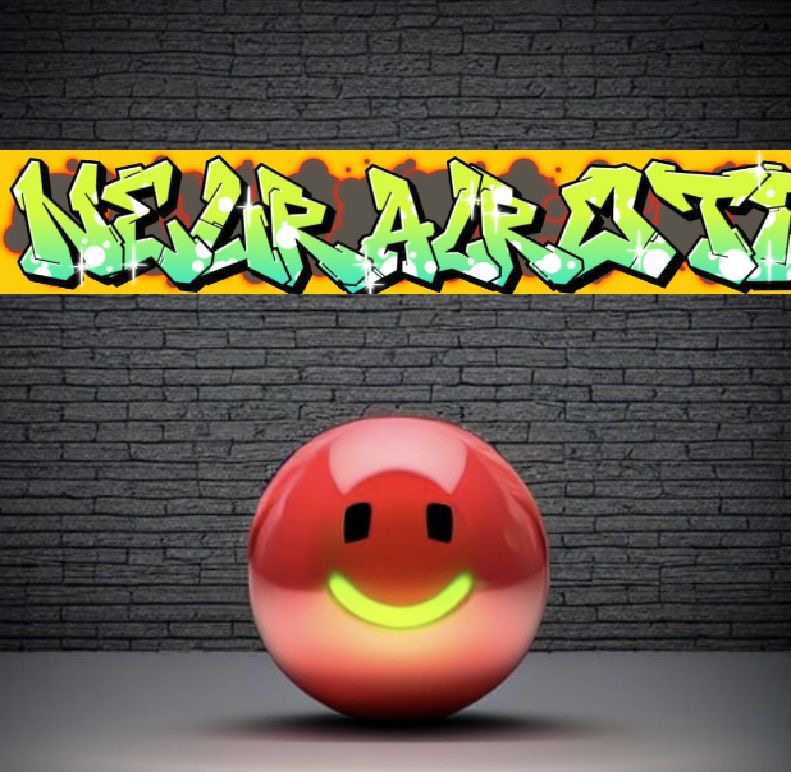
    Happiness is a universal language that transcends borders, cultures, and beliefs. It has the power to uplift, inspire, and create a positive domino effect in the lives of those around us. The concept of happiness transference, also known as emotional contagion, suggests that the emotions and moods of one person can directly influence the emotions of others, leading to a ripple effect of positivity. In this article, we will explore the fascinating phenomenon of happiness transference, its impact on individuals and communities, and how we can harness its power to create a more joyful world.

    The Science Behind Happiness Transference

    Research in psychology and neuroscience has shed light on the contagious nature of emotions. Studies have shown that when we observe someone experiencing an emotion, our brains often mimic that emotion, leading to a similar emotional state within ourselves. This phenomenon occurs through the activation of mirror neurons, which allow us to understand and resonate with the emotions of others.

    Furthermore, the emotional contagion can occur through nonverbal cues, such as facial expressions, body language, and tone of voice. When we interact with someone who is genuinely happy, our brains pick up on these cues, triggering a positive emotional response within us. This process happens almost instinctively, often without conscious awareness.

    The Impact of Happiness Transference

    The impact of happiness transference extends far beyond individual interactions. In social settings, workplaces, and communities, the emotional states of individuals can spread rapidly, influencing the overall mood and atmosphere. A joyful and positive individual can uplift the spirits of those around them, leading to a chain reaction of happiness.

    Moreover, studies have shown that experiencing positive emotions can have various health benefits, including reduced stress, improved immune function, and enhanced overall well-being. When happiness is transferred from one person to another, it contributes to creating a supportive and harmonious environment, fostering stronger social connections and a sense of belonging.

    Harnessing the Power of Happiness Transference

    Understanding the contagious nature of happiness opens up opportunities to intentionally spread joy and positivity. Here are some ways to harness the power of happiness transference:

    1. Cultivate Self-Awareness: Becoming aware of our own emotional state allows us to project positivity and joy to others. By practicing mindfulness and self-care, we can become emotional beacons, radiating happiness to those around us.
    2. Express Gratitude: Sharing gratitude and appreciation can uplift the spirits of others. By acknowledging the positive aspects of our lives, we can inspire feelings of joy and contentment in those we interact with.
    3. Acts of Kindness: Small acts of kindness have the power to create a ripple effect of happiness. Whether it’s a smile, a kind word, or a helping hand, these gestures have the potential to brighten someone’s day and create a cycle of positivity.
    4. Create Positive Environments: In social and professional settings, fostering an environment of positivity and support can lead to happiness transference among individuals. Encouraging open communication, recognition of achievements, and a culture of empathy can amplify the spread of joy.

    Closing

    Happiness transference is a powerful force that shapes our interactions, relationships, and communities. By recognizing the impact of our emotions on others, we can actively contribute to the creation of a more joyful and compassionate world. Through small daily actions and intentional efforts, we have the ability to initiate a ripple effect of happiness that knows no bounds. As we continue to explore the intricacies of emotional contagion, let us strive to be ambassadors of happiness, spreading joy wherever we go.

    In a world where negativity often dominates headlines, let us not underestimate the profound impact of a simple smile, a genuine laugh, or a heartfelt expression of joy. Together, let us embrace the transformative power of happiness and work towards creating a brighter, more interconnected world for all.
  • Embracing Bright Colors – Living on the Spectrum

    January 26th, 2024

    Living on the spectrum brings a unique perspective to the world. Among the many aspects that make individuals on the spectrum remarkable is their heightened sensitivity to the world around them, including the vibrant spectrum of colors that permeate their daily lives. While each person’s experience is unique, the relationship between bright colors and those on the spectrum is a fascinating and significant one.

    For many individuals on the spectrum, bright colors are not merely visually appealing; they can also hold a profound and multifaceted significance. The intensity of color can evoke strong emotional responses, providing a means of expression and communication that may differ from the norm. Bright colors can be sources of joy, comfort, and stimulation, offering a way to navigate and interpret the world.

    Research suggests that people on the spectrum may experience sensory input differently than neurotypical individuals. This can manifest as a heightened sensitivity to light and color, among other sensory stimuli. For some, bright colors may be overwhelming, while for others, they can be a source of fascination and delight. Understanding and acknowledging these differences is crucial in creating environments that are inclusive and supportive for individuals on the spectrum.

    In recent years, there has been a growing recognition of the importance of accommodating sensory sensitivities in various settings, from schools to workplaces and public spaces. This has led to the implementation of “sensory-friendly” initiatives, which consider factors such as lighting, color schemes, and overall sensory environments. Incorporating bright, calming colors in these initiatives can contribute to creating more comfortable and accommodating spaces for individuals on the spectrum.

    Art and creative expression also play a significant role in the lives of many individuals on the spectrum. Bright colors often feature prominently in their creative works, reflecting a unique and vibrant inner world. Art can serve as a powerful medium for self-expression, allowing individuals to communicate their emotions and experiences in ways that transcend traditional verbal communication. Through art, bright colors become a means of sharing one’s unique perspective with the world.

    Moreover, the use of bright colors in everyday life can be an empowering tool for individuals on the spectrum. Whether it’s through clothing, accessories, or home decor, incorporating vibrant hues can be a way of asserting one’s individuality and embracing personal preferences. This act of self-expression is not only visually striking but also serves as a celebration of diversity and difference.

    It’s important to recognize that while bright colors can be a source of joy and comfort for many individuals on the spectrum, each person’s relationship with color is deeply personal. Just as the spectrum of colors is vast and varied, so too are the experiences and preferences of those on the autism spectrum. It’s essential to approach each individual with openness and understanding, allowing them the freedom to express themselves in ways that are true to their unique sensory experiences.

    In closing, the connection between bright colors and living on the spectrum is a multifaceted and deeply personal one. From sensory experiences to creative expression and self-empowerment, bright colors play a significant role in the lives of many individuals on the spectrum. By acknowledging and embracing this relationship, we can create more inclusive and supportive environments that celebrate the diverse ways in which people experience the world around them.

  • The Art of Bridging Logistics and Philosophy – A Symphony of Connectivity

    January 26th, 2024

    Logistics, the backbone of global trade, commerce, and war entails the intricate orchestration of resources, information, and coordination. Philosophy, on the other hand, concerns itself with fundamental questions about existence, knowledge, values, reason, mind, and language. Both seem worlds apart, yet when the lens of art is applied, a fascinating intersection emerges. This article explores the nexus between logistics, philosophy, and art, revealing the symphony of connectivity that binds these seemingly disparate realms together.

    The Interconnectedness of Logistics and Philosophy

    Logistics, often confined to the realm of practicality, is fundamentally rooted in philosophy. At its core, logistics grapples with the nature of efficiency, the ethics of supply chain management, and the ontological implications of global interconnectedness. Just as the philosophy of mind delves into questions of perception and consciousness, logistics navigates the complexities of perception, prediction, and adaptation in the supply chain.

    The logistics of global trade also raises ethical questions, echoing the concerns of moral philosophy. Issues such as fair labor practices, environmental sustainability, and the equitable distribution of resources call for philosophical reflection within the logistical framework. The very act of moving goods from one place to another carries profound ramifications for society, echoing the ethical dilemmas debated in the halls of moral philosophy.

    Art as the Unifying Medium

    Art, with its capacity for abstraction and expression, serves as the conduit that fuses logistics and philosophy. Through the lens of art, the interconnectedness of these disciplines is illuminated, offering a platform for introspection and dialogue. Consider the visual artistry of a bustling port, where the choreography of cranes and cargo evokes a sense of rhythm and purpose. This portrayal not only captures the logistical intricacies but also prompts philosophical contemplation on human endeavor and interconnectedness.

    Furthermore, art in the form of literature and film can provoke existential questions related to logistics. Stories of transcontinental journeys, such as those portrayed in literature and cinema, prompt reflection on the human condition within the vast network of global trade. This artistic portrayal humanizes the logistical process, infusing it with philosophical depth and emotional resonance.

    Philosophy as the Compass

    Philosophy, with its emphasis on critical thinking and conceptual analysis, serves as a compass in navigating the complexities of logistics. By engaging with philosophical inquiries into causation, identity, and change, logisticians gain a deeper understanding of the dynamic nature of supply chains. Moreover, philosophical ethics guide decision-making in logistics, ensuring that the movement of goods aligns with broader moral imperatives.

    The fusion of philosophy and logistics also extends to the realm of technology and innovation. As advancements in artificial intelligence and automation reshape logistical landscapes, philosophical inquiry serves as a safeguard against the dehumanization of labor and the erosion of ethical responsibility within supply chains.

    Closing

    The intersection of logistics, philosophy, and art unveils a tapestry of interconnectedness that transcends disciplinary boundaries. By embracing the symbiotic relationship between these domains, we enrich our understanding of the intricate web that sustains global commerce. As we navigate the complexities of a rapidly evolving world, the synthesis of logistics, philosophy, and art offers a holistic framework for fostering ethical, efficient, and introspective approaches to the orchestration of human endeavor.

  • Exploring the Digital Canvas – My Facebook Timeline as Graffiti Art

    January 25th, 2024

    In a world where digital platforms have become the modern canvas for self-expression, the Facebook timeline stands as a unique tapestry of individuality. For many, it’s more than just a collection of posts; it’s a reflection of one’s personality, experiences, and creativity. In this digital realm, I’ve come to see my Facebook timeline as a living, breathing piece of graffiti art – FFS, am I dating myself?

    Much like the walls of a city alley, my timeline is a space where I’ve left my mark. It’s a collection of thoughts, memories, and moments that represent who I am. Just as a graffiti artist uses vibrant colors and bold strokes to convey their message, I use words, images, and videos to paint the story of my life.

    The timeline’s layout becomes the framework for my expression, much like the brick and mortar of a building serve as the canvas for a street artist. Each post is carefully curated, akin to the deliberate strokes of a spray can, adding layers of meaning and depth to the overall composition. Whether it’s a heartfelt message, a stunning photograph, or a shared article, each piece contributes to the rich tapestry of my digital presence.

    Similar to how a graffiti artist interacts with their surroundings, I engage with my digital environment. I respond to comments, share in others’ experiences, and participate in the ongoing dialogue that unfolds within this virtual space. Just as graffiti can spark conversations and reactions, my posts provoke discussions, debates, and connections, creating an ever-evolving narrative.

    However, much like the transient nature of street art, the content on my timeline is not static. It evolves as I do, capturing the ebb and flow of my interests, relationships, and personal growth. Old posts serve as a reminder of where I’ve been, while new ones mark the path ahead, creating a dynamic and ever-changing digital mural.

    Yet, just as with any form of public expression, there are challenges. Navigating the digital landscape means contending with the potential for vandalism in the form of spam, negativity, or misinformation. Just as a city works to preserve and protect its street art, I must also curate and safeguard my digital graffiti, ensuring that it remains a true reflection of myself.

    In the end, my Facebook timeline is more than just a series of posts; it’s a testament to the human need for expression and connection. It’s a digital canvas where I’ve left my mark, sharing my experiences, thoughts, and emotions with the world. Like a vibrant piece of graffiti art adorning a city wall, my timeline stands as a unique and ever-changing expression of who I am.

  • Navigating Identity – Growing Up Biracial in a Post Jim Crow “One Drop” World

    January 25th, 2024

    The experience of growing up biracial during the post Jim Crow era is a delicate balancing act, fraught with societal pressures, discrimination, and a constant negotiation of our own identity. We often find ourselves caught between two worlds, neither fully accepted nor understood by either. The rigid racial categorizations of the time leaves little room for the nuanced and multifaceted nature of biracial identity, forcing us to grapple with a sense of belonging and self-acceptance in a world that sought to confine us to narrow definitions of race.

    For many of us, the experience of straddling racial lines begin within our own families. The one-drop rule meant that even a small fraction of African ancestry could redefine our entire social standing. This often leads to internal conflicts within our families, as relatives and community members grapple with the implications of having biracial members who could potentially face discrimination and prejudice due to our heritage.

    In addition to familial dynamics, we face the challenge of navigating a society that is deeply entrenched in racial segregation. From schools to public spaces, the rigid divisions of Jim Crow made it clear that there is strict boundaries defining who could access certain privileges and opportunities. We often found ourselves excluded from both Black and white communities, left to carve out our own place in a world that struggled to comprehend our existence.

    The struggle for self-acceptance and identity is further compounded by the societal attitudes of the time. The pervasive racism of the post Jim Crow era means that biracial individuals are subject to prejudice and discrimination from both sides of our heritage. We are often viewed with suspicion by white society, while simultaneously experiencing rejection from some within the Black community who questioned our allegiance and authenticity.

    Despite these challenges, we continue to forge our own paths and identities, drawing strength from our unique heritage and experiences. We seek to redefine the narrow constraints imposed by the one-drop rule, embracing our diverse backgrounds and advocating for a more inclusive understanding of race and identity.

    The legacy of the Jim Crow era and the one-drop rule continues to reverberate in the present day, shaping the ongoing conversations around race, identity, and belonging. While progress has been made, the experiences of biracial individuals from this era serve as a poignant reminder of the complexities and nuances of identity, and the enduring impact of historical legacies on individual lives.

    As society continues to grapple with questions of race and identity, the stories of those of us who grew up biracial during the post Jim Crow era offer valuable insights into the resilience, strength, and the ongoing journey towards understanding and acceptance. Our experiences serve as a testament to the human spirit’s capacity to transcend societal constraints and redefine what it means to belong in a world that often seeks to divide.

  • Three Lights at the End of the Tunnel – How Experiences Can Help You Dodge the Oncoming Train

    January 25th, 2024

    As the old adage goes, “There’s light at the end of the tunnel.” It’s a phrase often used to convey hope, the promise of better times ahead, and the notion that challenges eventually give way to relief. However, what if those lights at the end of the tunnel aren’t the promise of salvation, but rather a warning of impending danger? What if, instead of an exit, those lights signify an oncoming train hurtling towards you? Surprisingly, this analogy holds a profound truth about life’s challenges and the role of experiences in navigating them.

    In life, we often encounter situations where the path ahead seems illuminated with hope and promise. These moments can appear as the much-awaited breakthrough in a career, the prospect of a new relationship, or the anticipation of a significant life change. We perceive these as the proverbial lights at the end of the tunnel, guiding us towards a better tomorrow. However, what if these lights are deceptive, concealing a threat rather than an opportunity? What if the anticipated breakthrough is actually a setback in disguise?

    The concept of the oncoming train represents the unforeseen challenges that can derail our progress, leaving us reeling in their wake. These challenges can manifest in various forms – a sudden job loss, the end of a relationship, a health scare, or any other unexpected crisis. At such times, it often feels like we are standing on the tracks, staring at the three lights growing larger and brighter, threatening to overwhelm us.

    But here’s where the power of experiences comes into play. Each challenge we’ve faced, every obstacle we’ve overcome, and all the lessons we’ve learned contribute to our ability to navigate these metaphorical oncoming trains. The experiences we’ve gathered throughout our lives equip us with the skills and insights needed to recognize the warning signs, adapt to changing circumstances, and ultimately dodge the impending danger.

    Consider a professional who has weathered the storm of corporate downsizing in the past. When faced with the prospect of another potential layoff, they are better prepared to assess the situation, explore alternative career options, and take proactive measures to secure their livelihood. Likewise, an individual who has navigated the complexities of a failed relationship may approach new romantic endeavors with a deeper understanding of their own needs and boundaries.

    In essence, our past experiences serve as a training ground, honing our instincts and sharpening our ability to discern between genuine opportunities and impending threats. They teach us to recognize the subtle cues that signal trouble ahead, empowering us to make informed decisions and take evasive action when necessary. While the oncoming train may still loom large, our experiences provide us with the tools to sidestep disaster and forge a new path forward.

    It’s important to note that dodging the oncoming train does not imply avoiding challenges altogether. Rather, it signifies our capacity to confront adversity with resilience and resourcefulness. Our experiences grant us the wisdom to navigate uncertainty, the courage to face adversity head-on, and the tenacity to emerge stronger on the other side.

    In the end, the metaphor of the three lights at the end of the tunnel being a train underscores the unpredictable nature of life and the invaluable role of experiences in guiding our choices. By drawing upon the lessons learned from our past, we can transform what initially appears as impending disaster into an opportunity for growth and transformation. So, the next time you see those three lights approaching, remember that your experiences have equipped you to dodge the oncoming train and emerge triumphant on the other side.

  • The Timeless Tradition of Australian Dot Art – A Cultural Legacy

    January 25th, 2024

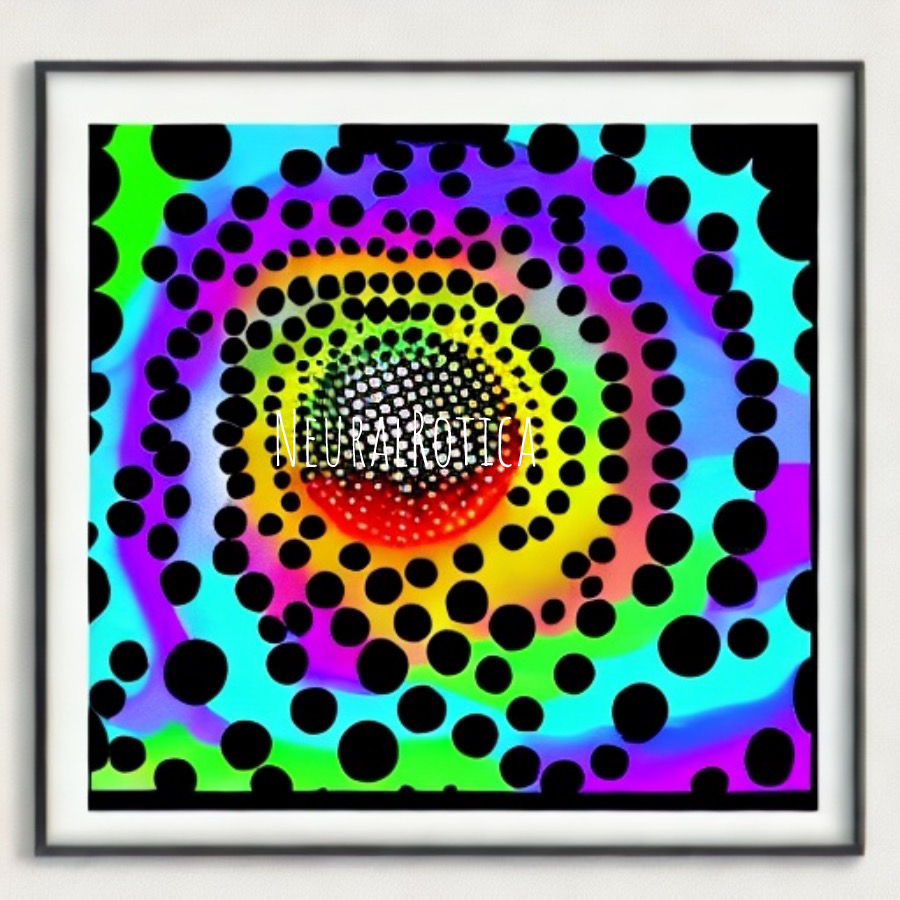
    Australia’s indigenous art forms are as diverse as the country itself, with each carrying its own unique cultural significance. Among these, the tradition of Australian dot art stands out as a powerful representation of indigenous storytelling, spirituality, and connection to the land.

    Rooted in the ancient practices of Aboriginal and Torres Strait Islander peoples, Australian dot art, also known as “dot painting,” is a visual language that communicates stories, traditions, and spiritual beliefs. This art form typically uses natural pigments on various surfaces such as bark, canvas, and rocks, with each dot holding symbolic meaning and representing elements of the artists’ cultural heritage.

    The origins of dot art can be traced back thousands of years, yet its contemporary significance has garnered global attention. The intricate patterns and vibrant colors are not merely decorative; they encapsulate profound cultural narratives, serving as a medium through which indigenous Australians express their deep connection to the land, the Dreamtime, and ancestral knowledge.

    The Dreamtime, a central concept in indigenous Australian culture, refers to the time of creation when ancestral beings shaped the natural world. Dot art often depicts stories from the Dreamtime, portraying the journeys of these ancestral beings, the creation of landscapes, and the spiritual significance of natural elements. Each dot, meticulously placed, contributes to a visual narrative that transcends time, allowing viewers to engage with ancient wisdom and spirituality.

    Furthermore, the act of creating dot art is deeply intertwined with indigenous rituals and ceremonies, often involving the passing down of knowledge from elders to the younger generations. As such, each artwork serves as a tangible link to the past, preserving cultural traditions and ensuring their continuity into the future.

    In recent decades, Australian dot art has gained global recognition, with artists exhibiting their work in galleries and museums worldwide. This increased visibility has not only elevated the status of indigenous Australian art but has also provided economic opportunities for indigenous artists and communities. However, it is crucial to recognize the importance of ethical sourcing and the fair compensation of artists to ensure the preservation of this cultural heritage.

    While the contemporary art world has embraced Australian dot art, it is essential to approach it with respect and understanding of its cultural significance. As admirers and patrons of this ancient tradition, it is incumbent upon us to appreciate the depth of storytelling and spiritual connection embedded within each piece.

    Australian dot art stands as a testament to the enduring legacy of indigenous Australian culture. Its vibrant colors and intricate patterns not only adorn walls but also carry the weight of history, spirituality, and resilience. As we continue to celebrate and uphold this rich artistic tradition, we contribute to the preservation of an invaluable cultural heritage—one that speaks to the timeless spirit of the world’s oldest living culture.

  • The Emergence of Quotient Art – Where Intelligence Meets Creativity

    January 25th, 2024

    In the ever-evolving landscape of contemporary art, a new movement has emerged, bridging the realms of intellect, emotion, social awareness, and adaptability. This avant-garde movement, aptly named Quotient Art, seeks to explore the intersection of intelligence quotient (IQ), emotional quotient (EQ), social quotient (SQ), and adaptability quotient (AQ) through creative expressions

    At its core, Quotient Art challenges the traditional boundaries of artistic creation by emphasizing the fusion of cognitive abilities, emotional depth, social consciousness, and the capacity to adapt to change. This movement aims to go beyond aesthetic appeal, delving into the complexities of the human experience and the multifaceted nature of intelligence.

    IQ, often regarded as a measure of cognitive abilities, serves as a foundational element in Quotient Art. Artists within this movement engage in works that demonstrate a deep understanding of complex concepts, problem-solving, and an acute awareness of their surroundings. This intellectual prowess is not merely displayed through technical skill, but rather through the thought-provoking nature of their creations.

    Conversely, EQ, the measure of emotional intelligence, plays a pivotal role in Quotient Art. Artists channel their emotional depth and empathy into their work, aiming to evoke profound emotional responses from their audience. Through their art, they seek to cultivate understanding, empathy, and introspection, fostering a connection that transcends the visual realm.

    Furthermore, the social dimension of Quotient Art, represented by SQ, underscores the movement’s commitment to societal relevance and impact. Artists explore themes of community, cultural diversity, and societal issues, using their art as a catalyst for dialogue and social change. By addressing pressing social concerns, Quotient Art aims to provoke critical reflection and promote a deeper understanding of the world we inhabit.

    In addition, AQ, the measure of adaptability and resilience, serves as a defining feature of Quotient Art. Artists embrace innovation, experimentation, and a willingness to evolve, reflecting the dynamic nature of the world. This adaptability enables them to respond to shifting contexts, incorporating diverse influences and perspectives into their work.

    Quotient Art celebrates the holistic development of the individual, encouraging artists to cultivate a balance between intellect, emotion, social awareness, and adaptability. This movement not only challenges the conventional notions of art but also redefines the role of the artist as a multifaceted thinker and influencer in society.

    As Quotient Art continues to gain momentum, it is poised to leave a lasting impact on the art world, inspiring a new generation of artists to embrace a more comprehensive approach to creativity. Through its fusion of IQ, EQ, SQ, and AQ, Quotient Art offers a fresh perspective on the power of art to engage, provoke, and ultimately, enrich the human experience.

  • The Detrimental Effects of Archaic Thinking on Society

    January 25th, 2024

    In an ever-evolving world, the persistence of archaic thinking continues to exert its adverse influence on society. Archaic thinking, characterized by rigid adherence to outdated beliefs, traditions, and practices, hinders progress and perpetuates various negative impacts across social, cultural, and technological domains.

    One of the most conspicuous ramifications of archaic thinking is its effect on social progress. In many societies, traditional gender roles, discriminatory attitudes, and prejudices rooted in historical ideologies persist, impeding the advancement of gender equality and racial justice. Archaic thinking perpetuates stereotypes and marginalizes individuals based on their gender, sexual orientation, or ethnicity, hindering the establishment of inclusive and equitable communities.

    Furthermore, in the realm of culture and tradition, archaic thinking can stifle creativity and innovation. When cultural practices and artistic expressions are bound by rigid adherence to tradition, there is limited room for experimentation and evolution. This can lead to a stagnation of cultural growth and a failure to embrace new perspectives, ultimately inhibiting the rich tapestry of human experience.

    The impact of archaic thinking is also felt in technology and science. In an era marked by rapid technological advancement, clinging to antiquated beliefs can impede the adoption of innovative solutions and scientific progress. Unwillingness to accept new scientific discoveries and technological advancements can lead to stagnation in fields crucial to human development, such as medicine, environmental sustainability, and renewable energy.

    Moreover, archaic thinking often underpins resistance to change, hindering adaptation to pressing global challenges such as climate change, economic inequality, and public health crises. The reluctance to depart from traditional practices and embrace progressive solutions hampers society’s ability to address these critical issues effectively.

    In closing, the persistence of archaic thinking poses a significant barrier to the advancement of society. Its negative impacts are pervasive, affecting social dynamics, cultural evolution, technological innovation, and the ability to address pressing global challenges. Overcoming archaic thinking requires an active commitment to challenging outdated beliefs, fostering inclusivity, and embracing change. Only by transcending archaic thinking can society fully harness its potential for progress and collective well-being.

  • 7 Strategies for Reducing Losses and Increasing Wins in Life

    January 25th, 2024

    In the game of life, losses and wins are inevitable. From personal relationships to professional endeavors, we all encounter challenges and victories. While losses can be disheartening, they often provide valuable lessons. Conversely, wins can be uplifting, but they also require ongoing effort to maintain. In this article, we explore strategies to minimize losses and maximize wins in various aspects of life.

    1. Embrace a Growth Mindset
      Cultivating a growth mindset is crucial for navigating life’s challenges. Embracing the belief that abilities and intelligence can be developed fosters resilience in the face of setbacks. By viewing losses as opportunities for growth rather than insurmountable failures, individuals can adapt and learn from their experiences, ultimately increasing their chances of success.
    2. Set Clear Goals
      Establishing clear, achievable goals is fundamental to achieving wins in life. Whether in career, relationships, or personal development, setting specific and measurable objectives provides direction and motivation. Moreover, breaking down larger goals into smaller, manageable tasks can make success feel more attainable and losses less overwhelming.
    3. Learn from Failures
      Failure is an inevitable part of any journey. Instead of seeing it as a definitive loss, it’s important to extract valuable lessons from these experiences. Reflecting on failures and identifying areas for improvement can help individuals grow and increase their chances of success in future endeavors.
    4. Build Resilience
      Resilience is the ability to bounce back from adversity. Cultivating resilience involves developing coping mechanisms, seeking support when needed, and maintaining a positive outlook. By building resilience, individuals can mitigate the impact of losses and remain focused on achieving their goals.
    5. Adapt to Change
      Life is dynamic, and the ability to adapt to change is essential for minimizing losses and maximizing wins. Embracing flexibility and openness to new opportunities enables individuals to pivot when faced with adversity and capitalize on unexpected victories.
    6. Cultivate Healthy Relationships
      Meaningful connections with others can be a source of support and encouragement during difficult times. Building and nurturing healthy relationships can provide a sense of belonging, emotional support, and constructive feedback, ultimately contributing to overall well-being and success.
    7. Continuous Learning and Improvement
      Committing to ongoing learning and self-improvement is instrumental in reducing losses and increasing wins in life. Whether through formal education, skill-building, or personal development, the pursuit of knowledge and growth equips individuals with the tools needed to overcome challenges and seize opportunities.

    In closing, navigating life’s ups and downs requires a combination of mindset, strategy, and resilience. By embracing a growth mindset, setting clear goals, learning from failures, and building resilience, individuals can minimize losses and increase their chances of success. Adaptability, healthy relationships, and a commitment to continuous improvement further contribute to a fulfilling and victorious life journey. Remember, it’s not about avoiding losses altogether, but rather how we respond and grow from them that ultimately shapes our wins.

←Previous Page
1 … 16 17 18 19 20 … 40
Next Page→

Blog at WordPress.com.


Loading Comments...
 

    • Subscribe Subscribed
      • NeuralRotica
      • Join 43 other subscribers
      • Already have a WordPress.com account? Log in now.
      • NeuralRotica
      • Subscribe Subscribed
      • Sign up
      • Log in
      • Report this content
      • View site in Reader
      • Manage subscriptions
      • Collapse this bar