Skip to content
    • About
    • Contact

NeuralRotica

  • Mastering Diplomacy – The Art of De-escalating Tense Situations

    February 2nd, 2024

    In a world where conflicts and disagreements are commonplace, the art of diplomacy shines as a beacon of hope for resolving disputes and fostering harmony. Whether in personal relationships, international affairs, or workplace dynamics, mastering the skills of diplomacy can be the key to de-escalating tense situations and achieving peaceful resolutions.

    Diplomacy, at its core, is the art of communication and negotiation aimed at finding common ground and understanding among parties with differing viewpoints. It involves a delicate balance of tact, empathy, and strategic thinking to navigate through conflicts and tensions effectively.

    One of the fundamental principles of diplomacy is active listening. By truly hearing and understanding the perspectives of all parties involved, diplomats can identify underlying issues, emotions, and needs driving the conflict. This empathetic approach lays the groundwork for building trust and finding mutually acceptable solutions.

    Moreover, diplomacy requires a high degree of emotional intelligence. Being able to regulate one’s emotions, empathize with others, and maintain composure under pressure are essential skills for de-escalating volatile situations. By staying calm and composed, diplomats can prevent conflicts from escalating and create a conducive environment for constructive dialogue.

    Another critical aspect of diplomacy is the ability to find common ground. By focusing on shared goals, values, or interests, diplomats can bridge differences and work towards mutually beneficial outcomes. Finding areas of agreement helps to build rapport and create a foundation for resolving disagreements more effectively.

    Furthermore, diplomacy involves effective communication strategies. Clear and respectful communication is essential for conveying messages, expressing concerns, and exploring potential solutions. Diplomats must choose their words carefully, avoid inflammatory language, and strive to maintain a positive and constructive tone throughout the negotiation process.

    In addition to communication, creativity and flexibility are key components of successful diplomacy. Sometimes, traditional solutions may not be sufficient to address complex issues. Diplomats must think outside the box, consider alternative options, and be willing to adapt their approach to meet the evolving needs of the situation.

    Overall, the art of diplomacy is a powerful tool for de-escalating tense situations and fostering peaceful resolutions. By cultivating skills such as active listening, emotional intelligence, finding common ground, effective communication, creativity, and flexibility, individuals can navigate conflicts with grace, empathy, and strategic thinking.

    In a world rife with discord and division, mastering the art of diplomacy is more important than ever. By embracing diplomacy as a guiding principle in our interactions, we can build bridges, promote understanding, and create a more harmonious world for all.


  • Navigating Life’s Endgames – The Two-Knight Endgame

    February 2nd, 2024

    In the vast realm of chess, endgames hold a special allure, characterized by intricate maneuvers, strategic finesse, and the critical decisions that can make or break a game. Among these endgames, the two-knight endgame stands out as a captivating scenario that mirrors the complexities of life’s challenges and the art of navigation through uncertainty.

    Setting the Stage: The Two-Knight Endgame in Chess

    The two-knight endgame is a fascinating chess position where each player has only a king and two knights left on the board. It is a scenario that demands patience, precision, and a deep understanding of knight’s unique movement patterns. In this endgame, the abilities of the knights to cover each other’s weaknesses and complement each other’s strengths become crucial.

    Parallels with Life’s Challenges

    Life presents us with situations that often resemble the intricacies of the two-knight endgame. Just like in chess, we encounter moments when we must navigate through uncertainty with limited resources and multiple variables at play. Let’s delve into some key parallels between the two-knight endgame and real-life challenges:

    1. Patience and Precision: In the two-knight endgame, impulsive moves can lead to disaster. Similarly, in life, hasty decisions without careful consideration of the consequences can have lasting effects. Patience and precision are essential virtues for success in both scenarios.
    2. Strategic Thinking: Just as in chess, life requires strategic thinking. Understanding the interconnectedness of our choices, anticipating potential outcomes, and adjusting our strategies accordingly are vital skills in both contexts.
    3. Adaptability: The two-knight endgame often calls for adaptability as the situation evolves. Likewise, in life, being able to adapt to changing circumstances, learn from setbacks, and make the best of the resources at hand is key to overcoming challenges.
    4. Collaboration and Support: In the two-knight endgame, the knights work together to cover each other’s weaknesses and create opportunities. Similarly, in life, seeking collaboration, support from others, and leveraging collective strengths can help us navigate through tough times and emerge victorious.

    Closing

    The two-knight endgame serves as a metaphor for life’s challenges, reminding us of the virtues of patience, strategic thinking, adaptability, and collaboration. Just as a skilled chess player maneuvers through the complexities of the endgame, we too can navigate through the uncertainties of life by embracing these principles. By drawing inspiration from the strategic depth of chess, we can approach our own endgames with resilience, fortitude, and a willingness to learn from every move.

  • A Letter to Myself – Never Giving Up on Yourself

    January 31st, 2024

    Dear Me,

    I know you’re feeling overwhelmed right now, and it seems like the world is throwing everything it has at you. I know that sometimes it feels like you’re fighting an uphill battle, and the top of the hill is nowhere in sight. But I need you to remember something – you are stronger than you think.

    Remember all those times you thought you wouldn’t make it through? You did. You conquered those challenges, and you emerged even more resilient. You have a remarkable ability to overcome adversity, even when it feels insurmountable. Remember that strength.

    I know there are days when the weight of expectations feels like it’s crushing you. Maybe it’s the pressure to succeed, to be perfect, or to meet everyone else’s standards. But here’s the truth – you don’t have to be perfect. You just have to be you. Embrace your flaws, your quirks, and your uniqueness. They are what make you extraordinary.

    Life isn’t a sprint; it’s a marathon. It’s okay to pause, to catch your breath, and to take a moment to reassess. It’s okay to change direction, to try new things, and to explore different paths. Your journey is not defined by how fast you move, but by how far you’re willing to go.

    It’s essential to remember that failure doesn’t define you. It’s a part of the journey, not the end of the road. Every stumble, every setback, is an opportunity to learn and grow. Embrace those moments, for they will shape you into the person you’re meant to become.

    You are capable of achieving incredible things. Believe in your abilities, your potential, and your dreams. Don’t let self-doubt or fear hold you back. Take that leap of faith, and trust that you have what it takes to soar.

    Above all, remember to be kind to yourself. You are your own harshest critic, but you deserve your compassion and understanding. Treat yourself with the same love and respect you give to others. Nurture your mind, body, and soul, for they are your most valuable assets.

    I know it’s hard, and there will be days when it feels impossible to keep going. But in those moments, I want you to look in the mirror and remind yourself – you are resilient, you are worthy, and you are enough.

    So, keep pushing forward, keep believing in yourself, and never, ever give up. Because the world needs your light, your passion, and your unique contribution.

    With unwavering faith,
    Yourself

  • The Veil of Religion – Hiding or Seeking Solace?

    January 27th, 2024

    Religion has long served as a cornerstone of human identity and a source of comfort, guidance, and community. However, throughout history, the veil of religion has also been used to conceal, manipulate, and justify a myriad of actions. From personal behaviors to political agendas, the veil of religion has been wielded to both shield and deceive. This duality prompts a critical examination of the ways in which individuals and institutions hide behind the cloak of religious beliefs.

    At its core, religion often provides a moral compass, a sense of purpose, and a framework for understanding the world. It can offer solace during times of hardship and guidance in moments of confusion. However, when wielded as a shield, religion can become a tool for evasion, manipulation, and oppression.

    One of the most prevalent examples of hiding behind the veil of religion is the misuse of religious doctrines to justify discrimination and violence. Throughout history, individuals and groups have distorted religious teachings to rationalize acts of prejudice, persecution, and even warfare. This misuse not only tarnishes the essence of a religion but also perpetuates harm in the name of faith.

    Moreover, the veil of religion has been used to conceal personal transgressions. Individuals have sought refuge behind the façade of religious devotion to mask their own misdeeds or to manipulate others. This misuse not only undermines the sincerity of religious practice but also erodes the trust within religious communities.

    On a broader scale, political and social agendas have often been cloaked in religious rhetoric to garner support or to obfuscate true intentions. This manipulation of religious sentiment for ulterior motives not only distorts the genuine purpose of faith but also perpetuates division and conflict within societies.

    Nevertheless, it is crucial to recognize that the veil of religion is not inherently negative. For many, faith provides a genuine sanctuary and a source of moral guidance. It fosters compassion, community, and a sense of belonging. In times of personal struggle or societal upheaval, religion can offer profound consolation and inspire acts of kindness and altruism.

    Understanding the duality of the veil of religion presents an opportunity for introspection and reform. It calls for a conscientious evaluation of how religious beliefs are wielded and a commitment to upholding the true principles of compassion, empathy, and justice that many religions espouse.

    In confronting the misuse of religion as a shield, individuals and communities can strive for transparency, accountability, and genuine adherence to the principles of their faith. By doing so, the veil of religion can be lifted to reveal its authentic purpose: to inspire goodwill, foster understanding, and provide solace in the face of adversity.

    Ultimately, the veil of religion can serve as a cloak for evasion and deceit, as well as a mantle of genuine solace and moral guidance. It is incumbent upon individuals and societies to discern between these manifestations and to ensure that the principles of faith are upheld with sincerity and integrity. Only then can the true essence of religion emerge from behind the veil, shining as a beacon of compassion, understanding, and unity.

  • Love – The Double-Edged Dagger

    January 26th, 2024

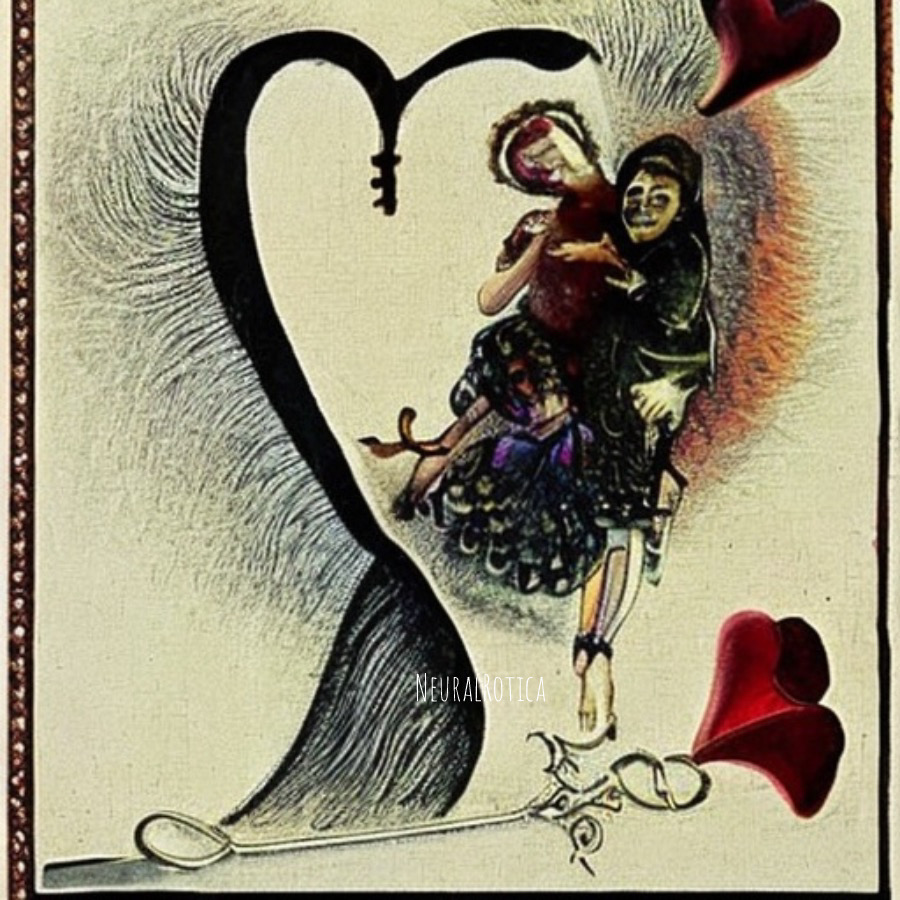
    Love, often portrayed as a symbol of warmth and affection, can also be likened to a double-edged dagger, possessing the power to both uplift and wound. This paradoxical nature of love has been a recurring theme throughout history, literature, and human experience.

    At its core, love embodies the potential for immense joy and fulfillment. It nurtures, supports, and inspires, becoming a source of strength and comfort for those who embrace it. Love’s gentle caress can soothe even the deepest wounds, mending the broken pieces of one’s soul and breathing life into desolate hearts. It acts as a beacon of hope, guiding individuals through the darkest of times and lifting them to unparalleled heights.

    However, the same love that kindles warmth and euphoria can also transform into a piercing dagger, inflicting pain and sorrow. When love turns sour, the once comforting embrace becomes a weapon, leaving scars that run deeper than any physical wound. Betrayal, loss, and unrequited affection are the jagged edges of this emotional blade, cutting through the very fabric of one’s being and leaving behind a trail of anguish.

    In literature, love’s dual nature has been a wellspring of inspiration for countless authors and poets. Shakespeare’s tragic tale of Romeo and Juliet encapsulates the essence of love’s treacherous blade, where the ecstasy of newfound love quickly descends into the agony of separation and death. Similarly, Emily Brontë’s “Wuthering Heights” delves into the destructive power of love, portraying it as a force that consumes and destroys everything in its path.

    In the realm of psychology, love’s dichotomy has been a subject of fascination. Psychologists have long studied the intricate interplay between love and pain, delving into the depths of human emotion and attachment. The phenomenon of “love addiction” and the anguish of unrequited love stand as testaments to the piercing nature of love’s darker edge.

    Navigating the complexities of love requires a delicate balance, akin to wielding a finely crafted dagger. It demands introspection, empathy, and resilience. Embracing love means acknowledging its potential to bring both rapture and devastation, and being prepared to weather the storms it may bring.

    Ultimately, the dual nature of love serves as a reminder of its profound significance in the human experience. It is a testament to the depth of human emotion, capable of bringing boundless joy and profound sorrow in equal measure. Embracing love, despite its potential to wound, is a testament to the resilience of the human spirit and the enduring pursuit of connection and understanding.

    In closing, love, like a finely honed dagger, possesses the power to heal and harm, to uplift and wound. Its paradoxical nature serves as a poignant reminder of the complexities inherent in the human experience, urging us to approach it with reverence, understanding, and a profound appreciation for its transformative power.

  • The Ripple Effect of Happiness – Understanding Happiness Transference

    January 26th, 2024

    Happiness is a universal language that transcends borders, cultures, and beliefs. It has the power to uplift, inspire, and create a positive domino effect in the lives of those around us. The concept of happiness transference, also known as emotional contagion, suggests that the emotions and moods of one person can directly influence the emotions of others, leading to a ripple effect of positivity. In this article, we will explore the fascinating phenomenon of happiness transference, its impact on individuals and communities, and how we can harness its power to create a more joyful world.

    The Science Behind Happiness Transference

    Research in psychology and neuroscience has shed light on the contagious nature of emotions. Studies have shown that when we observe someone experiencing an emotion, our brains often mimic that emotion, leading to a similar emotional state within ourselves. This phenomenon occurs through the activation of mirror neurons, which allow us to understand and resonate with the emotions of others.

    Furthermore, the emotional contagion can occur through nonverbal cues, such as facial expressions, body language, and tone of voice. When we interact with someone who is genuinely happy, our brains pick up on these cues, triggering a positive emotional response within us. This process happens almost instinctively, often without conscious awareness.

    The Impact of Happiness Transference

    The impact of happiness transference extends far beyond individual interactions. In social settings, workplaces, and communities, the emotional states of individuals can spread rapidly, influencing the overall mood and atmosphere. A joyful and positive individual can uplift the spirits of those around them, leading to a chain reaction of happiness.

    Moreover, studies have shown that experiencing positive emotions can have various health benefits, including reduced stress, improved immune function, and enhanced overall well-being. When happiness is transferred from one person to another, it contributes to creating a supportive and harmonious environment, fostering stronger social connections and a sense of belonging.

    Harnessing the Power of Happiness Transference

    Understanding the contagious nature of happiness opens up opportunities to intentionally spread joy and positivity. Here are some ways to harness the power of happiness transference:

    1. Cultivate Self-Awareness: Becoming aware of our own emotional state allows us to project positivity and joy to others. By practicing mindfulness and self-care, we can become emotional beacons, radiating happiness to those around us.
    2. Express Gratitude: Sharing gratitude and appreciation can uplift the spirits of others. By acknowledging the positive aspects of our lives, we can inspire feelings of joy and contentment in those we interact with.
    3. Acts of Kindness: Small acts of kindness have the power to create a ripple effect of happiness. Whether it’s a smile, a kind word, or a helping hand, these gestures have the potential to brighten someone’s day and create a cycle of positivity.
    4. Create Positive Environments: In social and professional settings, fostering an environment of positivity and support can lead to happiness transference among individuals. Encouraging open communication, recognition of achievements, and a culture of empathy can amplify the spread of joy.

    Closing

    Happiness transference is a powerful force that shapes our interactions, relationships, and communities. By recognizing the impact of our emotions on others, we can actively contribute to the creation of a more joyful and compassionate world. Through small daily actions and intentional efforts, we have the ability to initiate a ripple effect of happiness that knows no bounds. As we continue to explore the intricacies of emotional contagion, let us strive to be ambassadors of happiness, spreading joy wherever we go.

    In a world where negativity often dominates headlines, let us not underestimate the profound impact of a simple smile, a genuine laugh, or a heartfelt expression of joy. Together, let us embrace the transformative power of happiness and work towards creating a brighter, more interconnected world for all.

  • Embracing Bright Colors – Living on the Spectrum

    January 26th, 2024

    Living on the spectrum brings a unique perspective to the world. Among the many aspects that make individuals on the spectrum remarkable is their heightened sensitivity to the world around them, including the vibrant spectrum of colors that permeate their daily lives. While each person’s experience is unique, the relationship between bright colors and those on the spectrum is a fascinating and significant one.

    For many individuals on the spectrum, bright colors are not merely visually appealing; they can also hold a profound and multifaceted significance. The intensity of color can evoke strong emotional responses, providing a means of expression and communication that may differ from the norm. Bright colors can be sources of joy, comfort, and stimulation, offering a way to navigate and interpret the world.

    Research suggests that people on the spectrum may experience sensory input differently than neurotypical individuals. This can manifest as a heightened sensitivity to light and color, among other sensory stimuli. For some, bright colors may be overwhelming, while for others, they can be a source of fascination and delight. Understanding and acknowledging these differences is crucial in creating environments that are inclusive and supportive for individuals on the spectrum.

    In recent years, there has been a growing recognition of the importance of accommodating sensory sensitivities in various settings, from schools to workplaces and public spaces. This has led to the implementation of “sensory-friendly” initiatives, which consider factors such as lighting, color schemes, and overall sensory environments. Incorporating bright, calming colors in these initiatives can contribute to creating more comfortable and accommodating spaces for individuals on the spectrum.

    Art and creative expression also play a significant role in the lives of many individuals on the spectrum. Bright colors often feature prominently in their creative works, reflecting a unique and vibrant inner world. Art can serve as a powerful medium for self-expression, allowing individuals to communicate their emotions and experiences in ways that transcend traditional verbal communication. Through art, bright colors become a means of sharing one’s unique perspective with the world.

    Moreover, the use of bright colors in everyday life can be an empowering tool for individuals on the spectrum. Whether it’s through clothing, accessories, or home decor, incorporating vibrant hues can be a way of asserting one’s individuality and embracing personal preferences. This act of self-expression is not only visually striking but also serves as a celebration of diversity and difference.

    It’s important to recognize that while bright colors can be a source of joy and comfort for many individuals on the spectrum, each person’s relationship with color is deeply personal. Just as the spectrum of colors is vast and varied, so too are the experiences and preferences of those on the autism spectrum. It’s essential to approach each individual with openness and understanding, allowing them the freedom to express themselves in ways that are true to their unique sensory experiences.

    In closing, the connection between bright colors and living on the spectrum is a multifaceted and deeply personal one. From sensory experiences to creative expression and self-empowerment, bright colors play a significant role in the lives of many individuals on the spectrum. By acknowledging and embracing this relationship, we can create more inclusive and supportive environments that celebrate the diverse ways in which people experience the world around them.

  • The Art of Bridging Logistics and Philosophy – A Symphony of Connectivity

    January 26th, 2024

    Logistics, the backbone of global trade, commerce, and war entails the intricate orchestration of resources, information, and coordination. Philosophy, on the other hand, concerns itself with fundamental questions about existence, knowledge, values, reason, mind, and language. Both seem worlds apart, yet when the lens of art is applied, a fascinating intersection emerges. This article explores the nexus between logistics, philosophy, and art, revealing the symphony of connectivity that binds these seemingly disparate realms together.

    The Interconnectedness of Logistics and Philosophy

    Logistics, often confined to the realm of practicality, is fundamentally rooted in philosophy. At its core, logistics grapples with the nature of efficiency, the ethics of supply chain management, and the ontological implications of global interconnectedness. Just as the philosophy of mind delves into questions of perception and consciousness, logistics navigates the complexities of perception, prediction, and adaptation in the supply chain.

    The logistics of global trade also raises ethical questions, echoing the concerns of moral philosophy. Issues such as fair labor practices, environmental sustainability, and the equitable distribution of resources call for philosophical reflection within the logistical framework. The very act of moving goods from one place to another carries profound ramifications for society, echoing the ethical dilemmas debated in the halls of moral philosophy.

    Art as the Unifying Medium

    Art, with its capacity for abstraction and expression, serves as the conduit that fuses logistics and philosophy. Through the lens of art, the interconnectedness of these disciplines is illuminated, offering a platform for introspection and dialogue. Consider the visual artistry of a bustling port, where the choreography of cranes and cargo evokes a sense of rhythm and purpose. This portrayal not only captures the logistical intricacies but also prompts philosophical contemplation on human endeavor and interconnectedness.

    Furthermore, art in the form of literature and film can provoke existential questions related to logistics. Stories of transcontinental journeys, such as those portrayed in literature and cinema, prompt reflection on the human condition within the vast network of global trade. This artistic portrayal humanizes the logistical process, infusing it with philosophical depth and emotional resonance.

    Philosophy as the Compass

    Philosophy, with its emphasis on critical thinking and conceptual analysis, serves as a compass in navigating the complexities of logistics. By engaging with philosophical inquiries into causation, identity, and change, logisticians gain a deeper understanding of the dynamic nature of supply chains. Moreover, philosophical ethics guide decision-making in logistics, ensuring that the movement of goods aligns with broader moral imperatives.

    The fusion of philosophy and logistics also extends to the realm of technology and innovation. As advancements in artificial intelligence and automation reshape logistical landscapes, philosophical inquiry serves as a safeguard against the dehumanization of labor and the erosion of ethical responsibility within supply chains.

    Closing

    The intersection of logistics, philosophy, and art unveils a tapestry of interconnectedness that transcends disciplinary boundaries. By embracing the symbiotic relationship between these domains, we enrich our understanding of the intricate web that sustains global commerce. As we navigate the complexities of a rapidly evolving world, the synthesis of logistics, philosophy, and art offers a holistic framework for fostering ethical, efficient, and introspective approaches to the orchestration of human endeavor.

  • Exploring the Digital Canvas – My Facebook Timeline as Graffiti Art

    January 25th, 2024

    In a world where digital platforms have become the modern canvas for self-expression, the Facebook timeline stands as a unique tapestry of individuality. For many, it’s more than just a collection of posts; it’s a reflection of one’s personality, experiences, and creativity. In this digital realm, I’ve come to see my Facebook timeline as a living, breathing piece of graffiti art – FFS, am I dating myself?

    Much like the walls of a city alley, my timeline is a space where I’ve left my mark. It’s a collection of thoughts, memories, and moments that represent who I am. Just as a graffiti artist uses vibrant colors and bold strokes to convey their message, I use words, images, and videos to paint the story of my life.

    The timeline’s layout becomes the framework for my expression, much like the brick and mortar of a building serve as the canvas for a street artist. Each post is carefully curated, akin to the deliberate strokes of a spray can, adding layers of meaning and depth to the overall composition. Whether it’s a heartfelt message, a stunning photograph, or a shared article, each piece contributes to the rich tapestry of my digital presence.

    Similar to how a graffiti artist interacts with their surroundings, I engage with my digital environment. I respond to comments, share in others’ experiences, and participate in the ongoing dialogue that unfolds within this virtual space. Just as graffiti can spark conversations and reactions, my posts provoke discussions, debates, and connections, creating an ever-evolving narrative.

    However, much like the transient nature of street art, the content on my timeline is not static. It evolves as I do, capturing the ebb and flow of my interests, relationships, and personal growth. Old posts serve as a reminder of where I’ve been, while new ones mark the path ahead, creating a dynamic and ever-changing digital mural.

    Yet, just as with any form of public expression, there are challenges. Navigating the digital landscape means contending with the potential for vandalism in the form of spam, negativity, or misinformation. Just as a city works to preserve and protect its street art, I must also curate and safeguard my digital graffiti, ensuring that it remains a true reflection of myself.

    In the end, my Facebook timeline is more than just a series of posts; it’s a testament to the human need for expression and connection. It’s a digital canvas where I’ve left my mark, sharing my experiences, thoughts, and emotions with the world. Like a vibrant piece of graffiti art adorning a city wall, my timeline stands as a unique and ever-changing expression of who I am.

  • Navigating Identity – Growing Up Biracial in a Post Jim Crow “One Drop” World

    January 25th, 2024

    The experience of growing up biracial during the post Jim Crow era is a delicate balancing act, fraught with societal pressures, discrimination, and a constant negotiation of our own identity. We often find ourselves caught between two worlds, neither fully accepted nor understood by either. The rigid racial categorizations of the time leaves little room for the nuanced and multifaceted nature of biracial identity, forcing us to grapple with a sense of belonging and self-acceptance in a world that sought to confine us to narrow definitions of race.

    For many of us, the experience of straddling racial lines begin within our own families. The one-drop rule meant that even a small fraction of African ancestry could redefine our entire social standing. This often leads to internal conflicts within our families, as relatives and community members grapple with the implications of having biracial members who could potentially face discrimination and prejudice due to our heritage.

    In addition to familial dynamics, we face the challenge of navigating a society that is deeply entrenched in racial segregation. From schools to public spaces, the rigid divisions of Jim Crow made it clear that there is strict boundaries defining who could access certain privileges and opportunities. We often found ourselves excluded from both Black and white communities, left to carve out our own place in a world that struggled to comprehend our existence.

    The struggle for self-acceptance and identity is further compounded by the societal attitudes of the time. The pervasive racism of the post Jim Crow era means that biracial individuals are subject to prejudice and discrimination from both sides of our heritage. We are often viewed with suspicion by white society, while simultaneously experiencing rejection from some within the Black community who questioned our allegiance and authenticity.

    Despite these challenges, we continue to forge our own paths and identities, drawing strength from our unique heritage and experiences. We seek to redefine the narrow constraints imposed by the one-drop rule, embracing our diverse backgrounds and advocating for a more inclusive understanding of race and identity.

    The legacy of the Jim Crow era and the one-drop rule continues to reverberate in the present day, shaping the ongoing conversations around race, identity, and belonging. While progress has been made, the experiences of biracial individuals from this era serve as a poignant reminder of the complexities and nuances of identity, and the enduring impact of historical legacies on individual lives.

    As society continues to grapple with questions of race and identity, the stories of those of us who grew up biracial during the post Jim Crow era offer valuable insights into the resilience, strength, and the ongoing journey towards understanding and acceptance. Our experiences serve as a testament to the human spirit’s capacity to transcend societal constraints and redefine what it means to belong in a world that often seeks to divide.

←Previous Page
1 … 16 17 18 19 20 … 40
Next Page→

Blog at WordPress.com.

Loading Comments...
  • Subscribe Subscribed
    • NeuralRotica
    • Join 43 other subscribers
    • Already have a WordPress.com account? Log in now.
    • NeuralRotica
    • Subscribe Subscribed
    • Sign up
    • Log in
    • Report this content
    • View site in Reader
    • Manage subscriptions
    • Collapse this bar