Skip to content
    • About
    • Contact

NeuralRotica

  • Navigating the Realm of Possibility

    November 24th, 2023

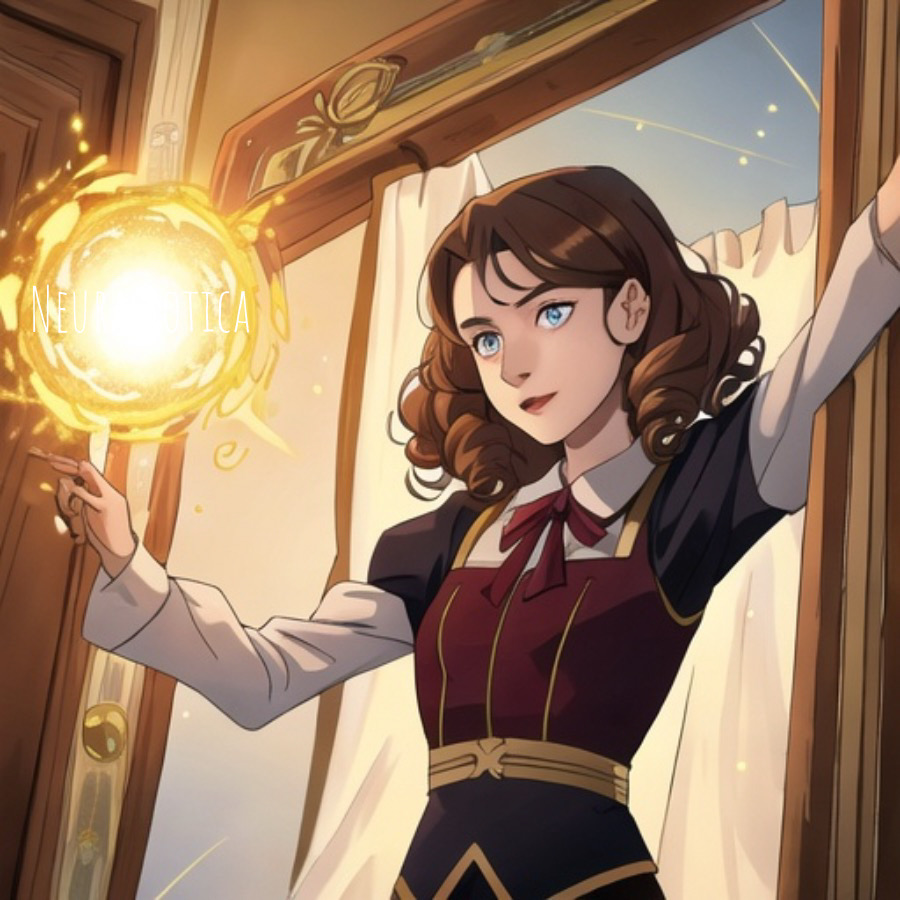
    Once upon a time, in the land of Possibility, there lived three friends named Shoulda, Coulda, and Woulda. They were known for their unique abilities to shape the dreams and aspirations of the people they encountered.

    Shoulda, a wise and reflective soul, always pondered over the past. With a sigh, Shoulda would remind others of the choices they regretted not making, the opportunities they missed, and the paths they didn’t take. Although Shoulda was a well-meaning companion, dwelling on the past often left people feeling melancholic and trapped.

    Coulda, on the other hand, was a bold and daring adventurer. With a mischievous glint in their eyes, Coulda would paint vivid pictures of the alternate paths people might have embarked upon. They would ignite the imagination of others with tales of what could have been, inspiring a sense of wonder and excitement. However, Coulda’s stories sometimes led to discontentment, as they focused on the untraveled roads that remained forever out of reach.

    Lastly, there was Woulda, a gentle and compassionate soul. Woulda possessed remarkable empathy and understanding, capable of seeing the potential hidden within each person. With a comforting presence, Woulda would encourage others to embrace their dreams and take the leap of faith. They reminded people that it’s never too late to pursue their aspirations and create their own destiny.

    Together, Shoulda, Coulda, and Woulda journeyed through Possibility, guiding those they encountered. They were a constant reminder that while the past could teach valuable lessons, dwelling on it indefinitely would hinder progress. They taught that imagining different paths could fuel ambition, but it was essential to appreciate the present and act upon the opportunities within reach.

    In the end, Shoulda, Coulda, and Woulda served as a powerful allegory, reminding people to reflect, dream, and take action. They taught that the choices we make today shape our tomorrow, and by embracing the wisdom of Shoulda, the audacity of Coulda, and the compassion of Woulda, we can navigate the realm of Possibility and unlock the true potential within ourselves.

  • Weaving the Tapestry of Human Existence – An Allegory of Harmony

    November 24th, 2023

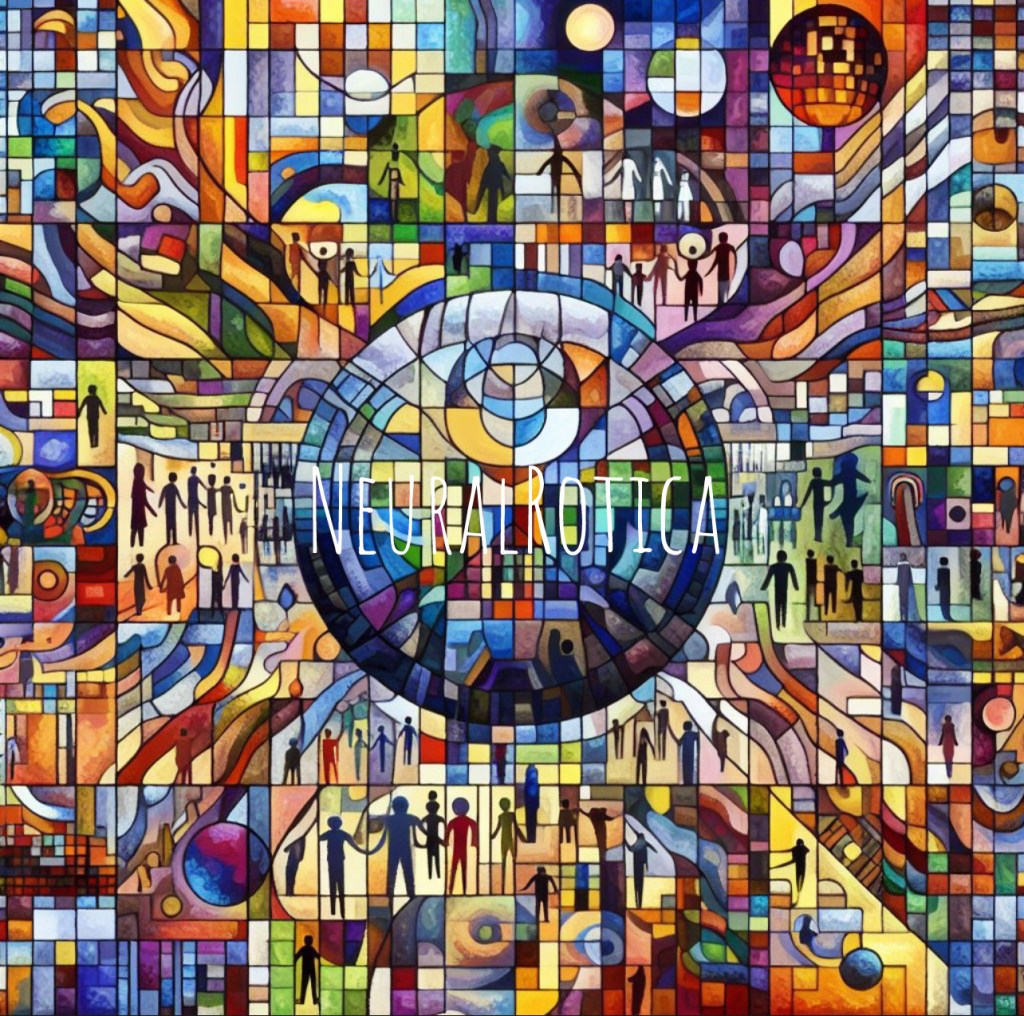
    Once upon a time, in the realm of Harmony, there thrived three distinct populations: the Pitchfork People, the Torch People, and the Quill People. Each group possessed a unique talent that set them apart and contributed to the harmony of their land.

    The Pitchfork People were hardworking and grounded, wielding their pitchforks with purpose. They tilled the fertile soil, sowed seeds, and nurtured the land with care. Their sweat and toil were the foundation of sustenance, symbolizing their connection to the earth and the importance of physical labor.

    The Torch People were seekers of knowledge and enlightenment, carrying torches that illuminated the path of discovery. They ventured far and wide, exploring the depths of the land and the realms of the mind. Through their flames, they ignited curiosity and understanding, symbolizing the pursuit of wisdom and the illumination of truth.

    Lastly, the Quill People possessed the gift of storytelling and expression. With quills in their hands, they wove tales that captivated hearts and preserved the collective memory of their people. Their words had the power to inspire, educate, and connect, symbolizing the importance of communication and the preservation of culture.

    In the realm of Harmony, the three populations coexisted, their paths often intersecting and intertwining. At times, misunderstandings arose, and tensions flared as each group valued their own skills above the others. The Pitchfork People saw the Torch People as dreamers disconnected from the tangible needs of the community, while the Torch People viewed the Pitchfork People as lacking in imagination and intellectual depth. The Quill People, in turn, sometimes felt overlooked, their stories dismissed as mere entertainment.

    However, a fateful event unfolded that would forever change their perspectives. A great storm swept through the realm, engulfing it in darkness and despair. Fear gripped the hearts of all, and it seemed as though hope was on the verge of fading away.

    In the face of this adversity, the Pitchfork People, the Torch People, and the Quill People realized the significance of their interconnectedness. They understood that their individual talents, though diverse, held the key to overcoming the storm and restoring light to their land.

    The Pitchforks, torches, and quills intertwined, creating a radiant beacon that pierced through the darkness. The Pitchfork People brought their resilience and nurtured the land, ensuring sustenance for all. The Torch People ignited their flames, illuminating knowledge and guiding their allies through the storm. The Quill People crafted stories that kindled hope and unity, reminding the population of their shared history and inspiring them to persevere.

    Together, they formed an unbreakable alliance, harnessing the power of their combined talents. They toiled side by side, sharing their wisdom, supporting one another, and recognizing the value in each other’s skills. As they faced the storm, their unity grew stronger, and a newfound harmony emerged.

    Through their collective efforts, the realm of Harmony was restored to its former glory. The storm subsided, and a radiant dawn bathed the land, bringing forth a renewed sense of unity, prosperity, and enlightenment. The Pitchfork People, the Torch People, and the Quill People realized that their unique abilities were not meant to divide them but to complement one another, fostering a harmonious existence.

    From that day forward, the Pitchfork, Torch, and Quill People stood as a shining example of the power of collaboration and understanding. Their alliance served as a reminder to future generations that when different talents unite, when diverse perspectives harmonize, and when each individual’s contribution is valued, great feats can be achieved, and a realm of true harmony can flourish.

  • Exploring Conscious Art – A Gateway to Mindful Expression

    November 24th, 2023

    Art has the remarkable ability to evoke emotions, challenge perspectives, and ignite profound introspection. In the realm of artistic expression, a genre known as “conscious art” has emerged, capturing the essence of mindfulness, self-awareness, and societal consciousness. This article delves into the nuances of conscious art, its purpose, characteristics, and its impact on both artists and viewers alike.

    Defining Conscious Art

    Conscious art can be seen as a fusion of creativity and mindfulness, where artists intentionally create works that provoke thought, evoke empathy, and explore the complexities of human existence. It is an art form that seeks to transcend mere aesthetics and aims to address social, environmental, and spiritual issues.

    Characteristics of Conscious Art

    Intentional Expression: Conscious artists meticulously craft their pieces, carefully selecting symbols, imagery, and colors that convey their intended message. Each stroke or element serves a purpose and contributes to the overall narrative.

    Thought-Provoking Themes: Conscious art often tackles profound themes such as social justice, environmental sustainability, mental health, and cultural identity. It encourages viewers to contemplate these subjects and question the status quo.

    Empathy and Connection: Conscious art strives to foster empathy and connection by portraying human experiences and emotions in a relatable manner. It bridges gaps between individuals, cultures, and perspectives, fostering a sense of unity and understanding.

    Symbolism and Metaphor: Symbolism plays a significant role in conscious art, allowing artists to convey complex ideas and emotions. Metaphorical representations encourage viewers to interpret and engage with the artwork on a deeper level.

    The Impact of Conscious Art

    Raising Awareness: Conscious art acts as a catalyst for social change by shedding light on pressing issues that require attention. It prompts viewers to reflect on their role in society and inspires action towards positive transformation.

    Encouraging Dialogue: By presenting thought-provoking themes, conscious art sparks conversations and encourages dialogue. It invites viewers to share their perspectives, fostering an inclusive space for diverse voices and opinions.

    Emotional Resonance: Conscious art has the power to elicit a wide range of emotions, from empathy and compassion to introspection and reflection. It serves as a mirror that reflects the human experience, allowing viewers to connect with their own emotions and experiences.

    Personal Transformation: Engaging with conscious art can lead to personal growth and transformation. It encourages self-reflection, challenges preconceived notions, and inspires individuals to become more mindful and proactive in their lives.

      Closing Thoughts

      Conscious art serves as a powerful medium, transcending traditional artistic boundaries to address societal issues and promote mindfulness. It invites viewers to explore their own consciousness, fostering empathy, dialogue, and personal growth. As this genre continues to evolve, it will undoubtedly leave an indelible mark on the art world, encouraging artists and viewers alike to embrace art as a catalyst for positive change and self-discovery.

    1. Navigating the Labyrinth – Confusing Progression with Regression

      November 24th, 2023

      Our life is often a complex journey, filled with twists and turns that can leave us pondering the enigmatic concept of progress. At times, it seems as though we are moving forward, achieving our goals and evolving as individuals. Yet, on other occasions, we find ourselves caught in a puzzling web where progress appears to morph into regression. This paradoxical phenomenon challenges our perception and understanding of growth and prompts us to explore the intricacies of confusing progression versus regression.

      The Illusion of Progression

      In our pursuit of success and personal development, we often associate progress with moving forward, reaching new milestones, and surpassing previous achievements. However, progress is not always linear. It can be deceivingly elusive, leading us to believe that we are advancing when, in reality, we might be trapped in a cycle of repetitive actions or false accomplishments. This illusory progression can stem from several factors, such as societal pressure, personal biases, or a lack of self-awareness.

      The Regression Mirage

      Conversely, regression can sometimes masquerade as progress, further complicating our understanding of personal growth. It is not uncommon to witness situations where individuals, organizations, or even societies take steps backward, reverting to outdated practices or ideologies. This regression can arise due to various factors, including fear of change, complacency, or a failure to adapt to evolving circumstances. In such cases, the regression appears as progress on the surface, but beneath the facade, the foundation crumbles.

      Unveiling the Dichotomy

      To unravel the enigma of confusing progression versus regression, we must analyze the underlying dynamics that contribute to this paradox. One crucial aspect is the subjective nature of progress itself. Each individual defines progress based on their unique values, aspirations, and circumstances. As a result, what may appear as regression to one person could be seen as progression to another.

      Moreover, the concept of progress is not confined to a linear path; it encompasses multifaceted dimensions. It is crucial to distinguish between external markers of progress, such as material wealth or societal recognition, and internal growth, which involves personal fulfillment, emotional well-being, and self-actualization. By embracing a holistic perspective, we can navigate the intricacies of confusing progression versus regression more effectively.

      Embracing the Lessons

      Rather than perceiving confusing progression versus regression as an obstacle, we can view it as an opportunity for introspection and self-discovery. It prompts us to question our motivations, reassess our goals, and reevaluate our definition of progress. Through this process, we can gain valuable insights that enable us to make truly meaningful progress, aligning our actions with our authentic selves.

      Closing Thoughts

      The paradox of confusing progression versus regression is a perplexing aspect of our human experience. It challenges us to question our assumptions, redefine our measures of success, and embrace the complexity of personal growth. By shedding light on this enigma, we can navigate the labyrinthine path of progress with greater clarity and purpose, ultimately shaping a more fulfilling and meaningful journey through life.

    2. Embracing the Art of Pain – Transcending Adversity Through Creativity

      November 22nd, 2023

      Pain, both physical and emotional, is an inevitable part of the human experience. It can leave us feeling shattered, lost, and overwhelmed. However, throughout history, individuals have discovered a remarkable ability to transform their pain into art. In this article, we will explore the captivating concept of the “art of pain” and how it serves as a catalyst for healing, self-expression, and personal growth.

      The Cathartic Power of Art

      Art has long been recognized as a powerful medium for emotional expression and release. When confronted with pain, artists find solace in their creative process, using it as a means to channel their anguish, fears, and innermost thoughts. Through painting, writing, music, or any other artistic form, they can externalize their pain, giving it shape and substance, allowing them to confront and process their emotions.

      Transforming Suffering into Beauty

      One of the most remarkable aspects of the art of pain is its ability to transform suffering into beauty. Artists possess the unique talent to take their darkest moments and reshape them into something meaningful and profound. They find beauty in the midst of chaos, offering a fresh perspective on pain and allowing others to connect with their experiences on a deeper level.

      Art as a Tool for Self-Discovery

      Engaging in the art of pain is not only about externalizing emotions; it is also a journey of self-discovery. By delving into their pain through artistic expression, individuals gain insights into their own vulnerabilities, strengths, and resilience. The process of creation becomes a mirror reflecting their innermost selves and fostering personal growth and understanding.

      Empathy and Connection

      Art born from pain has the incredible power to create empathy and forge connections between artist and audience. When we witness the raw emotions and vulnerability expressed through art, we are reminded of our shared humanity. We realize that we are not alone in our pain, and this awareness can bring solace and a sense of belonging.

      Inspiring Social Change

      Artistic creations that emerge from pain often carry powerful messages that can challenge societal norms and inspire change. Artists who have experienced marginalization, discrimination, or injustice can utilize their pain-infused art to raise awareness, provoke dialogue, and advocate for a more compassionate and equitable world.

      Closing Thoughts

      The art of pain is a testament to the resilience and creativity of the human spirit. It is a powerful tool for healing, self-expression, and personal growth. By transforming suffering into beauty, artists not only find solace and catharsis but also inspire empathy, foster connections, and ignite social change. As we embrace the art of pain, we discover that even in our darkest moments, there is a glimmer of hope and the potential to create something extraordinary.

      1. Luna, The Owl That Never Sleeps

        November 22nd, 2023

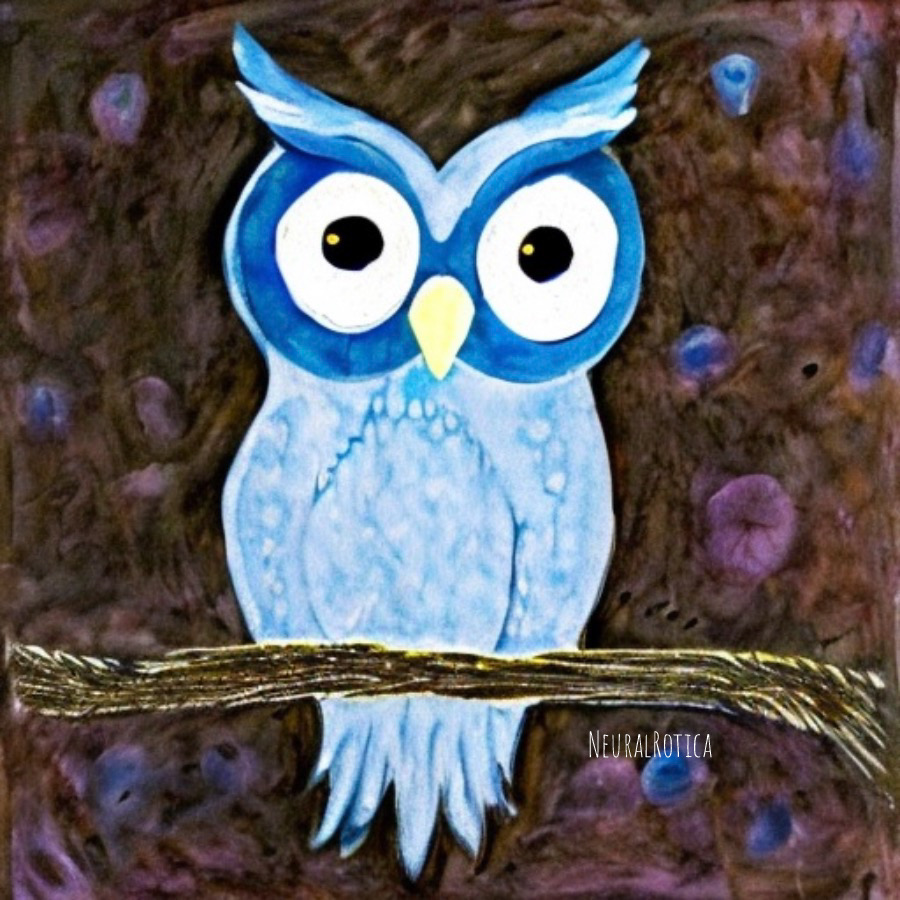
        Once upon a moonlit night, in a dense forest shrouded in mystery, there lived an owl unlike any other. This owl, named Luna, possessed a peculiar ability: she never slept. While other owls would rest during the day, Luna’s eyes remained wide open, forever vigilant under the glow of the moon.

        Luna’s wakefulness granted her an intimate knowledge of the forest’s secrets. She witnessed the dance of the fireflies, the whispers of the wind through the leaves, and the gentle hoots of the night creatures. She became the guardian of the forest, protecting its inhabitants with her keen senses.

        Animals sought Luna’s wisdom and guidance, for she possessed a deep understanding of nature’s rhythms. The woodland creatures would gather beneath her perch, seeking her advice on matters of the heart and the challenges they faced. Luna listened attentively, offering solace and counsel with her wise, unwavering gaze.

        As time passed, Luna’s reputation spread far and wide. News of the owl that never sleeps reached the ears of a young girl named Amelia, whose village was plagued by nightmares. Desperate to find a solution, Amelia embarked on a journey through the dark forest in search of Luna.

        Guided by the soft glow of Luna’s eyes, Amelia finally found the wise owl perched high atop a towering oak tree. With tears in her eyes, she shared the tales of her village’s suffering, plagued by restless nights and haunted dreams.

        Luna, with her compassionate spirit, listened intently to Amelia’s plight. She understood the importance of sleep and dreams, and how they shaped the waking world. Luna promised to help, and together they devised a plan.

        Luna’s unwavering presence and Amelia’s unwavering hope inspired the villagers. They gathered beneath the moonlit sky, ready to embrace Luna’s wisdom. Luna taught them the power of tranquility and the art of finding peace within. With her guidance, they learned to calm their minds and welcome restful slumber.

        As the village embraced Luna’s teachings, a transformation occurred. Nightmares faded, replaced by dreams filled with joy and possibility. The village flourished, its people finding renewed vigor in their well-rested bodies and minds.

        Amelia, forever grateful, remained close to Luna, continuing to learn from her and spreading her teachings to neighboring villages. Luna’s influence expanded, bringing peace and tranquility to all who sought her wisdom.

        And so, Luna, the owl that never sleeps, became a beacon of serenity and a symbol of hope. Her presence reminded all that even in the darkest of nights, there is always light to guide us, and that true wisdom can be found in the most unexpected places.

      2. The Perils and Pleasures of Being a Sucker for Love

        November 22nd, 2023

        Love, a powerful force that has captivated humanity since time immemorial, has the ability to make us feel on top of the world or leave us feeling vulnerable and exposed. For those who are “suckers for love,” the journey of navigating relationships can be a rollercoaster ride filled with exhilarating highs and heart-wrenching lows. In this article, we delve into the realities of being a sucker for love, exploring the joys, pitfalls, and the lessons learned along the way.

        The Allure of Romance

        There is a certain charm and magic in being a sucker for love. These individuals are often romantics at heart, captivated by the idea of finding their soulmate, experiencing intense connections, and creating lasting bonds. The allure of romance draws them in, fueling their hope and determination to seek out profound emotional connections.

        Vulnerability and Emotional Rollercoasters

          Being a sucker for love means willingly exposing oneself to vulnerability. Opening up to love invites the possibility of heartbreak, disappointment, and emotional turmoil. These individuals willingly embrace the emotional rollercoaster that comes with love, knowing that the risks are worth the rewards. They understand that vulnerability is necessary for deep connections and personal growth.

          The Highs and Lows

          When a sucker for love falls, they fall hard. The euphoria of reciprocated love, the early stages of a passionate romance, and the feeling of being cherished can create an unparalleled sense of bliss. However, the flip side of this intensity can be devastating. Heartbreak, unrequited love, and the pain of rejection can leave these individuals feeling shattered and questioning their own worth.

            Lessons Learned

            Each heartbreak and failed relationship becomes a stepping stone towards personal growth and self-discovery. Suckers for love learn valuable lessons about boundaries, self-worth, and the importance of self-love. They understand the need to strike a balance between vulnerability and self-protection, and they gain resilience in the face of adversity.

              Persevering in the Face of Challenges

              Despite the challenges they face, suckers for love continue to believe in the power of love and refuse to let past disappointments dampen their spirits. They possess an unwavering optimism and an unyielding desire to find that one special connection that makes it all worthwhile. This resilient mindset allows them to persevere, grow, and ultimately find the love they seek.

                Closing Thoughts

                Being a sucker for love is not for the faint of heart. It requires courage, resilience, and a willingness to embrace the emotional rollercoaster that accompanies love. While the journey may be fraught with heartbreak and disappointment, it is through these experiences that one learns the true value of love and gains a deeper understanding of oneself. So, to all the suckers for love out there, keep your hearts open, embrace the highs and lows, and trust that love will find its way to you in the end.

              1. Untangled Cords – Embracing New Beginnings and Learning from Failure

                November 17th, 2023

                Once upon a time, in the land of Elexia, there existed a magnificent city called Cordonia. The people of Cordonia were known for their brilliance and creativity, always seeking innovative solutions to the challenges they faced. However, there was one problem that seemed to elude their grasp—the tangled cords that plagued their daily lives.

                In Cordonia, every citizen had a unique cord that represented their individual ambitions and aspirations. These cords had the power to connect them to their dreams, but over time, they became entangled, causing confusion and hindering progress. The people of Cordonia tried various methods to untangle the cords, but no matter how hard they worked, the problem persisted.

                One day, a young inventor named Alina arrived in Cordonia. She had heard stories of the tangled cords and was determined to find a solution. Alina studied the problem meticulously, examining the cords from every angle. She realized that the issue lay not only in the physical entanglement but also in the way people approached the problem.

                Alina proposed a daring plan. She suggested that the citizens of Cordonia cut all their cords and start afresh. This idea shocked many, as they feared losing their progress and the lessons they had learned. However, Alina assured them that by cutting the cords, they would gain a new perspective and be able to learn from their previous failures.

                With hesitation and hope, the people of Cordonia agreed to Alina’s plan. Together, they severed their tangled cords, releasing themselves from the burden of an unsolvable problem. As they let go, a sense of liberation filled the air. They embraced the opportunity to start anew, armed with the wisdom garnered from their past experiences.

                Alina introduced a new system called CordiaNova, a network of flexible and adaptable cords that could easily be rearranged and reconnected. The citizens of Cordonia, now unencumbered by their old entanglements, approached the problem with open minds and a willingness to learn from their past mistakes.

                Each person took their time to carefully weave their new cords, reflecting on the lessons they had learned. They shared their insights and collaborated, realizing that together they could overcome any challenge. The once tangled cords were now beautifully intertwined, symbolizing the harmony that came from embracing change and learning from failures.

                In Cordonia, the allegory of the tangled cords became a powerful reminder that sometimes, the best way to address an unsolvable #problem is to start from scratch. By letting go of the past and embracing the opportunity to learn from previous #failures, the people of Cordonia discovered the true essence of innovation and progress. And so, Cordonia thrived, forever displaying the #resilience and wisdom that came from untangling the knots of life and embracing new beginnings.

              2. Debunking the Myth – Unveiling the Truth about Human Brain Usage

                November 16th, 2023

                The notion that humans only use 10% of their brain has captivated popular culture for decades. From movies to self-help books, this myth has been perpetuated, leading many to wonder about the untapped potential of the human mind. However, scientific research and advancements in brain imaging techniques have shed light on the reality of human brain function, dispelling the myth once and for all.

                The Whole Brain in Action

                Contrary to the 10% myth, numerous studies have shown that the human brain is a remarkably efficient organ, with every region serving a distinct purpose. Brain imaging techniques such as functional magnetic resonance imaging (fMRI) have allowed researchers to observe brain activity in real-time, revealing that multiple regions of the brain are engaged during various tasks.

                Neuronal Activity

                Neurons, the building blocks of the brain, are constantly firing and communicating with each other. Even during rest or seemingly mundane activities, the brain remains active. Research indicates that different brain regions are involved in a wide range of functions, including sensory perception, motor control, language processing, memory formation, and emotional regulation.

                Plasticity and Adaptability

                One of the remarkable features of the human brain is its plasticity—the ability to reorganize itself and form new connections throughout life. This characteristic allows the brain to adapt to changing circumstances, learn new skills, and recover from injuries. If humans truly used only 10% of their brains, it would mean that damage to 90% of the brain would have no noticeable impact, which is not the case.

                Historical Origins of the Myth

                The origins of the 10% brain myth can be traced back to a misinterpretation of early research findings. In the late 19th and early 20th centuries, neurologists observed that damage to certain brain regions did not always result in significant impairments. However, this does not imply that the rest of the brain is dormant or inactive. These observations were further sensationalized and distorted over time, leading to the widespread misconception we know today.

                Maximizing Brain Potential

                Understanding that humans utilize their entire brain should not discourage us; rather, it should inspire us to explore the full extent of our cognitive capabilities. Improving brain health and optimizing cognitive performance can be achieved through various means, such as engaging in intellectual activities, maintaining a healthy lifestyle, getting regular exercise, and seeking novel experiences.

                Closing Thoughts

                The notion that humans only use 10% of their brains is a persistent myth that has been debunked by scientific research. The brain is a complex organ, with different regions working together to support a multitude of functions. Acknowledging the true extent of our brain’s capabilities empowers us to unlock our potential and continue exploring the wonders of the human mind.

              3. Eat Me – Unraveling the Pitfalls of Prioritizing Easy Tasks

                November 14th, 2023

                In our fast-paced world, productivity and efficiency are highly valued. When faced with a long to-do list, it’s tempting to tackle the easiest tasks first, believing that it will provide a sense of accomplishment and momentum. However, this seemingly logical approach can lead to unforeseen pitfalls. In this article, we will explore why prioritizing easy tasks can hinder productivity, stifle growth, and offer alternative strategies for optimizing your workflow.

                False Sense of Productivity

                Starting with easy tasks can create a false sense of productivity. Although checking off items from your to-do list feels satisfying, it may not contribute much to your long-term goals. By focusing on low-priority tasks, you risk neglecting the more significant and challenging ones that require your attention.

                Procrastination Amplification

                The allure of easy tasks often leads to procrastination on more complex and critical assignments. As you continue to put off challenging tasks in favor of quick wins, the pile of unfinished and important work grows larger, causing stress and anxiety. This can ultimately lead to a cycle of procrastination that hampers your overall productivity.

                Missed Opportunities for Growth

                Easy tasks rarely push you out of your comfort zone or stimulate personal growth. By consistently opting for simplicity, you deny yourself the chance to learn new skills, expand your knowledge, and overcome challenges. Growth and progress often occur when you embrace the difficulties and complexities that come with more substantial undertakings.

                Delayed Gratification

                Prioritizing easy tasks generally provides instant gratification, but it comes at the cost of delayed rewards for more demanding endeavors. By deferring challenging tasks, you postpone the benefits they could bring, such as personal development, career advancement, or significant achievements. Delayed gratification is a key element of success, as it requires discipline and the ability to resist short-term rewards.

                Loss of Focus on Priorities

                By dedicating excessive time to easy tasks, you risk losing sight of your priorities. You might find yourself entangled in a web of trivial activities, neglecting the critical projects that contribute to your long-term goals. This lack of focus can hinder your progress and hinder your ability to make meaningful strides in your personal or professional life.

                Alternative Strategies

                  Eat the Frog: This approach, popularized by Brian Tracy, suggests tackling the most challenging task first thing in the morning. By completing the most difficult or important task early on, you set a positive tone for the rest of the day, boost your confidence, and free up mental space for other responsibilities.

                  Prioritize by Impact: Instead of focusing on ease, evaluate tasks based on their impact and importance. Identify the tasks that align with your goals and have a significant impact on your productivity, growth, or success. Allocate your time and energy accordingly to ensure you are making progress in the areas that matter most.

                  Time Blocking: Implementing time blocking techniques can help you allocate dedicated time slots for both easy and challenging tasks. By creating a well-balanced schedule, you ensure that important tasks receive the attention they deserve while still allowing time for smaller, less demanding activities.

                  Closing Thoughts

                  While it may be tempting to start with easy tasks for the immediate gratification they provide, the pitfalls of this approach can hinder your overall productivity and growth. By recognizing the dangers of prioritizing simplicity, you can implement alternative strategies to ensure that your time and effort are invested in tasks that truly matter. Embrace the challenges, pursue growth opportunities, and prioritize tasks based on their long-term impact to unlock your full potential.

                ←Previous Page
                1 … 24 25 26 27 28 … 40
                Next Page→

                Blog at WordPress.com.

                Loading Comments...
                • Subscribe Subscribed
                  • NeuralRotica
                  • Join 43 other subscribers
                  • Already have a WordPress.com account? Log in now.
                  • NeuralRotica
                  • Subscribe Subscribed
                  • Sign up
                  • Log in
                  • Report this content
                  • View site in Reader
                  • Manage subscriptions
                  • Collapse this bar