• About
    • Contact

NeuralRotica

  • Mastering the Symphony of Fingers: Unleashing the Power of Multitasking

    July 29th, 2023

    Our hands are incredible tools that enable us to interact with the world around us. Within our hands lie the potential for intricate movements, enabling us to perform tasks with precision and finesse. While each finger plays a unique role, have you ever wondered what it takes to utilize all five fingers simultaneously? In this article, we will explore the fascinating world of finger multitasking and delve into the abilities and challenges of using each finger on your hand at the same time.

    The Thumb: The Mighty Opposable Digit

    The thumb, often regarded as the most versatile finger, possesses the remarkable ability to oppose the other fingers. This opposition grants us a firm grip and fine motor control. When using all fingers simultaneously, the thumb often takes a lead role in stabilizing the hand, providing support, or engaging in specialized tasks such as holding objects while the other fingers perform intricate movements.

    The Index Finger: The Pointer and Precision Expert

    The index finger, our primary pointing tool, plays a pivotal role in multitasking. Its dexterity allows for pinpoint accuracy, making it ideal for tasks such as typing, using touchscreens, or pressing buttons. When utilizing all fingers together, the index finger often takes on a guiding role, leading the way for other fingers to execute more complex actions.

    The Middle Finger: The Balancing Act

    The middle finger, nestled between the index and ring finger, acts as a stabilizer during multitasking. It provides support and balance, especially when the other fingers perform intricate tasks. Its coordination with the adjacent fingers ensures smoother movements and enhances overall dexterity.

    The Ring Finger: The Collaborative Partner

    The ring finger, often considered the most cooperative of the fingers, excels at working in unison with others. While it may not possess the same level of individual dexterity as the thumb or index finger, its strength lies in its ability to support neighboring fingers during multitasking activities. It actively contributes to gripping, holding, or manipulating objects, lending stability and assistance to the overall hand movement.

    The Pinky Finger: The Underestimated Performer

    The pinky finger, although smaller and often underestimated, plays an important role in multitasking. Its agility and fine motor control make it suitable for delicate tasks requiring controlled movements. It is instrumental in activities such as playing musical instruments, typing, or making intricate gestures. During multitasking, the pinky finger often complements the actions of other fingers, providing additional support or executing specific actions simultaneously.

    Challenges and Benefits of Finger Multitasking

    Utilizing each finger on your hand simultaneously might sound like an arduous task, and indeed, it requires practice and coordination. However, mastering finger multitasking can have significant benefits. It enhances hand-eye coordination, motor skills, and overall dexterity. It enables us to perform complex tasks more efficiently, whether it’s playing a musical instrument, typing rapidly, or engaging in activities that demand fine motor control.

      Conclusion

      The human hand is a marvel of intricate design, allowing us to accomplish a wide array of tasks. By understanding the capabilities and interplay between each finger, we can unlock the potential for remarkable multitasking abilities. With practice and perseverance, we can harness the power of our hands, transforming them into a symphony of coordinated movements. So, embrace the challenge, embark on the journey of finger multitasking, and unlock new realms of productivity and creativity!

    1. Strengthening Bonds: The Significance of Sharing Experiences with Your Loved One

      July 29th, 2023

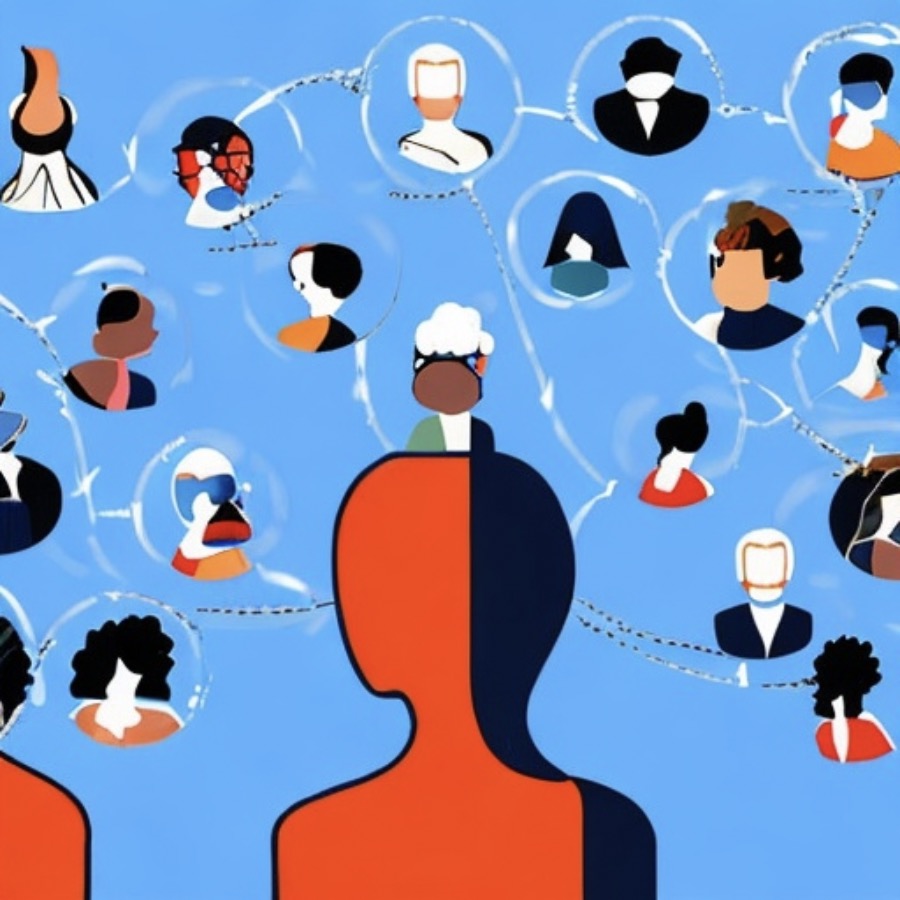
      Human connections are built on shared experiences, and when it comes to our closest relationships, such as with our partner, the importance of sharing experiences becomes even more profound. Whether it’s embarking on exciting adventures, engaging in meaningful conversations, or simply enjoying everyday moments together, sharing experiences can foster deeper connections, enhance understanding, and create lasting memories. In this article, we will explore the significance of sharing experiences with the one you love and how it can enrich your relationship.

      Building an Emotional Connection

      Sharing experiences with your loved one is a powerful way to build and strengthen your emotional connection. When you engage in various activities together, you create a shared pool of memories that serve as a foundation for a deeper bond. These experiences allow you to develop a mutual understanding, empathy, and appreciation for each other. It’s through these shared moments that you begin to see different facets of your partner’s personality, which can foster a sense of intimacy and connection that goes beyond words.

      Enhancing Communication

      Engaging in shared experiences opens up avenues for effective communication within your relationship. Whether you’re exploring new places, trying new hobbies, or facing challenges together, these experiences provide opportunities for open and honest conversations. Sharing your thoughts, fears, and aspirations during these moments can strengthen trust and create a safe space for vulnerability. By actively listening and understanding each other’s perspectives, you can deepen your emotional connection and foster a stronger sense of companionship.

      Creating Lasting Memories

      Life is made up of moments, and the memories we create with our loved ones are cherished treasures that we carry with us throughout our lives. By sharing experiences, you create a tapestry of memories that enrich your relationship and provide a source of joy and nostalgia. Whether it’s reminiscing about a spontaneous road trip, a romantic dinner, or a simple walk in the park, these shared experiences become the fabric of your relationship’s story. They serve as a reminder of the love, happiness, and adventures you’ve shared, reinforcing the emotional connection you have with your partner.

      Mutual Growth and Support

      When you share experiences with your loved one, you embark on a journey of mutual growth and support. By trying new things together, you can expand your horizons, discover shared interests, and learn from each other’s strengths. Through shared experiences, you can support and encourage each other, celebrating achievements and providing comfort during challenging times. This mutual growth not only strengthens your bond as a couple but also helps you individually flourish as you navigate life’s ups and downs together.

      Strengthening Trust and Intimacy

      Sharing experiences with your loved one fosters a sense of trust and intimacy within your relationship. Engaging in activities that require cooperation, compromise, and mutual decision-making builds a foundation of trust and respect. By facing challenges together, you learn to rely on each other and develop a sense of teamwork. Trust and intimacy are nurtured as you share vulnerabilities, celebrate successes, and support each other through life’s uncertainties.

      Conclusion

      Sharing experiences with the one you love is an essential aspect of building a strong and fulfilling relationship. These shared moments create an emotional connection, enhance communication, create lasting memories, foster mutual growth, and strengthen trust and intimacy. So, make it a priority to embark on adventures, engage in meaningful conversations, and cherish everyday moments with your loved one. By doing so, you will create a bond that withstands the test of time, making your relationship truly extraordinary.

      1. The Intricate Web of Deception: Unraveling the Thought Process behind Social Media Lies

        July 25th, 2023

        In today’s interconnected world, social media has become an integral part of our lives. However, behind the glamorous facade of picture-perfect posts and idyllic lifestyles lies a darker truth. People often resort to deception on social media, presenting an idealized version of themselves to the world. This article delves into the intricate thought process behind why people lie on social media, shedding light on the motivations and implications of this phenomenon.

        1. Constructing an Ideal Persona:
          One of the primary reasons people lie on social media is the desire to construct an ideal persona. In an era where personal branding and image are paramount, individuals may feel compelled to portray themselves as successful, happy, and flawless. By curating their online presence, they aim to garner admiration, validation, and social acceptance, even if it means distorting the truth.
        2. Fear of Missing Out (FOMO):
          The fear of missing out drives individuals to embellish their experiences on social media. Seeing others’ seemingly perfect lives can create a sense of inadequacy, leading people to fabricate or exaggerate their own adventures, achievements, or connections. By doing so, they seek to alleviate FOMO, projecting an illusion of an exciting life to feel more included and relevant.
        3. Seeking Validation and Approval:
          Social media platforms thrive on likes, comments, and shares, which can become addictive sources of validation. People may lie to receive praise, attention, and affirmation from their peers, prioritizing external validation over honesty. The quest for validation can trigger a thought process where individuals believe that lying will bring them the acceptance and admiration they yearn for.
        4. Escaping Reality and Creating Fantasy:
          Social media provides an escape from the complexities of real life. By crafting a fictional narrative, individuals can temporarily detach from their problems, insecurities, or mundane routines. This thought process leads them to create a digital persona that offers an alternate reality, allowing them to experience a sense of control, excitement, or even anonymity.
        5. Social Pressure and Comparison:
          The pervasive culture of comparison on social media can push individuals to lie in order to fit societal expectations or compete with their peers. The pressure to conform to beauty standards, career achievements, and material possessions can drive them to misrepresent themselves. The fear of judgment or being left behind can influence the thought process behind these lies.

        Conclusion

        While social media has undoubtedly revolutionized communication, it has also given rise to a culture of deception. The thought process behind why people lie on social media is complex, driven by a combination of factors such as constructing an ideal persona, FOMO, seeking validation, escaping reality, and succumbing to social pressure. Recognizing these motivations can help us approach social media with a critical lens, promoting authenticity and healthier online interactions.

      2. The Detrimental Effects of Ego in the Supply Chain

        July 25th, 2023

        In the intricate web of global supply chains, success hinges on effective collaboration and cooperation. However, one factor that can disrupt this delicate balance is the presence of ego. When ego takes center stage, it can lead to a range of negative consequences that impede the smooth functioning of the supply chain. In this article, we will explore the various ways in which ego can have a detrimental impact on the supply chain and discuss potential solutions.

        Lack of Collaboration

        Ego-driven individuals often prioritize personal interests over the collective goals of the supply chain. This can lead to a reluctance to collaborate with others, resulting in siloed operations. When different stakeholders fail to communicate and work together, it hampers the flow of information, slows down decision-making processes, and reduces overall efficiency.

        Resistance to Change

        Ego can breed resistance to change, making it challenging for supply chain professionals to adapt to evolving market dynamics and technological advancements. Individuals driven by ego may be reluctant to embrace new ideas or approaches, hindering innovation and hindering the organization’s ability to stay competitive in a rapidly changing environment.

        Poor Decision-Making

        Ego-driven decision-making often prioritizes personal agendas over objective analysis. This can lead to suboptimal choices, such as selecting suppliers based on personal preferences rather than considering their suitability for the organization’s needs. Such decisions can have long-term negative effects on the supply chain’s performance, leading to increased costs, quality issues, and missed opportunities for improvement.

        Communication Breakdowns

        Ego can create an unhealthy environment where individuals focus more on defending their ideas rather than actively listening to others. This can result in breakdowns in communication, misunderstandings, and conflicts. Effective communication is crucial in supply chain management, as it ensures that all stakeholders are aligned, leading to better coordination and problem-solving.

        Lack of Trust

        Ego-driven behavior erodes trust among supply chain partners. When individuals prioritize their own interests over building strong relationships, trust diminishes, leading to strained collaborations and adversarial interactions. Trust is the foundation of successful supply chain partnerships, enabling open communication, shared information, and collaborative problem-solving.

        Mitigating the Negative Impact of Ego

          1. Promote a Culture of Collaboration: Encourage a collaborative mindset by fostering an environment where teamwork, knowledge sharing, and open communication are valued and rewarded.
          2. Emphasize Data-Driven Decision-Making: Encourage objective analysis and decision-making based on data and facts rather than personal biases or preferences.
          3. Foster Continuous Learning: Encourage a culture of continuous learning and growth, where individuals are open to new ideas and receptive to change.
          4. Build Strong Relationships: Invest in building strong relationships based on trust, transparency, and mutual respect. This can foster effective collaboration and cooperation within the supply chain.

          Conclusion

          Ego can have far-reaching negative implications for supply chains, hindering collaboration, decision-making, communication, and trust. By actively addressing ego-driven behaviors and promoting a culture of collaboration and cooperation, organizations can mitigate these negative effects and build resilient, efficient, and successful supply chains.

        1. The Detrimental Effects of Allowing Your Ego to Hinder Professional Decision-Making

          July 25th, 2023

          In the realm of professional decision-making, one’s ego can become a formidable obstacle. When ego takes center stage, rationality and objectivity often take a backseat, leading to detrimental effects on both individuals and organizations. This article explores the consequences of allowing ego to influence professional decision-making and highlights the importance of self-awareness and humility in fostering better outcomes.

          Impaired Judgment

          When ego clouds our judgment, decisions become skewed towards personal interests rather than the larger organizational goals. By prioritizing self-image and personal success, individuals may overlook crucial information or disregard dissenting opinions, leading to flawed decision-making processes. Impaired judgment can result in poor choices, missed opportunities, and negative consequences for both individuals and the organization as a whole.

          Stifled Collaboration

          Ego-driven decision-making often fosters a hostile and uncooperative work environment. When personal egos clash, teamwork and collaboration suffer. Instead of focusing on collective problem-solving, individuals become more concerned with asserting dominance and proving their superiority. This stifles innovation, hampers creativity, and prevents the emergence of diverse perspectives that can lead to better decisions.

          Missed Growth Opportunities

          Allowing ego to dictate decisions can hamper personal and professional growth. A strong ego often hinders individuals from acknowledging their limitations, seeking feedback, or admitting mistakes. By resisting constructive criticism and avoiding self-reflection, individuals miss valuable opportunities for learning and improvement. Over time, this stagnation can lead to professional setbacks and hinder career advancement.

          Damage to Relationships

          Ego-driven decision-making can strain relationships within the workplace. When individuals prioritize their ego, they may alienate colleagues, undermine trust, and create a toxic work environment. Healthy professional relationships rely on respect, collaboration, and open communication, all of which are compromised when ego takes precedence. Ultimately, damaged relationships can impede progress, hinder teamwork, and limit career prospects.

          Overall Organizational Impact

          When ego influences decision-making at higher levels of an organization, the negative consequences can be far-reaching. Decisions made for personal gratification or to validate one’s ego often neglect the broader interests of the organization, its employees, and stakeholders. This can lead to decreased morale, reduced productivity, and compromised long-term success. Organizations that prioritize ego over collective welfare risk losing talented individuals, damaging their reputation, and impeding sustainable growth.

          Conclusion

          Allowing our ego to impede professional decision-making can have severe consequences. By recognizing the detrimental effects of ego-driven choices, individuals can work towards fostering self-awareness, humility, and a collaborative mindset. Cultivating an environment that values diverse perspectives and encourages open dialogue is essential for making sound decisions that benefit both individuals and organizations in the long run.

          1. Harmonizing Life in Spatial Music: Exploring the Significance of Peace

            July 22nd, 2023

            In a world where chaos often dominates the human experience, the pursuit of peace has become a universal aspiration. As we venture into the realms of spatial music, a groundbreaking concept blending music and technology, we find a powerful medium that can transcend the boundaries of our physical reality. This article delves into the unique experience of living in spatial music and explores the profound significance of peace within this ethereal realm.

            The Essence of Spatial Music

            Spatial music is a revolutionary innovation that allows individuals to immerse themselves in an environment where sound transcends traditional constraints. Through the use of advanced audio technology, spatial music creates a three-dimensional auditory experience, enveloping the listener in a symphony of sounds that move and interact in space. It is a truly transformative journey, where the boundaries between music and the listener dissolve, leaving room for profound introspection and emotional exploration.

            Living in Spatial Music

            Living in spatial music means existing within a realm where music becomes an extension of our being. In this ethereal soundscape, peace takes on new dimensions, transcending mere tranquility and becoming a state of profound harmony. The immersive nature of spatial music allows us to experience a heightened sense of connection with ourselves, others, and the world around us. It becomes a sanctuary where we can escape the cacophony of everyday life and find solace in the symphony of existence.

            Significance of Peace in Spatial Music
            Peace within the realm of spatial music goes beyond the absence of conflict; it embodies a harmonious coexistence of diverse sounds and emotions. In this space, dissonance finds resolution, and chaos gives way to serenity. The significance of peace lies in its ability to create a sense of balance and unity amidst the dynamic interplay of melodies, rhythms, and harmonies.

            Spatial music invites us to embrace the beauty of differences, as each individual sound contributes to the overall tapestry of the composition. In this way, peace becomes a bridge that connects the fragments of our fragmented world, fostering understanding, empathy, and collaboration. It serves as a reminder that in our shared pursuit of harmony, we can find common ground and build a more inclusive and compassionate society.

            Beyond the spatial music experience, the significance of peace extends into our lives beyond the ethereal realm. The lessons learned and the emotions evoked within this unique musical journey can inspire us to cultivate peace in our interactions, relationships, and communities. It empowers us to seek reconciliation, embrace diversity, and nurture a collective consciousness that values empathy, kindness, and respect.

            Conclusion

            Living in spatial music offers a transformative experience that transcends the boundaries of our physical reality. Within this realm, the significance of peace becomes paramount, representing the harmonious coexistence of diverse sounds and emotions. It serves as a reminder of our innate capacity for connection, understanding, and empathy. As we navigate the complexities of our world, let us draw inspiration from the spatial music experience to cultivate peace, not only within ourselves but also in our interactions with others.

          2. Navigating Groupthink: The Collective Decision-Making Flaw

            July 22nd, 2023

            Groupthink, a phenomenon where individuals conform to the opinions or decisions of a cohesive group, can have profound consequences on personal judgment and decision-making. It is a social dynamic that often leads individuals to prioritize group consensus over their own best interests. This article explores the reasons behind this paradoxical behavior and offers strategies to navigate groupthink effectively.

            The Nature of Groupthink

            Groupthink emerges when individuals strive for harmony within a group, often sacrificing critical thinking and independent analysis. This conformity bias can be attributed to a variety of factors, including the desire for acceptance, fear of conflict or rejection, or the assumption that the majority opinion must be correct.

            The Dangers of Groupthink

            While group cohesion can foster collaboration and unity, the dangers of groupthink lie in the potential for flawed decision-making. Individuals may suppress their dissenting views, leading to incomplete analysis of alternatives and the failure to consider potential risks. This can hinder personal growth, stifle innovation, and ultimately lead to outcomes that are detrimental to the group or individual.

            Understanding Cognitive Biases:
            To comprehend why people navigate towards groupthink that contradicts their own best interest, it is crucial to examine the underlying cognitive biases at play. Confirmation bias, the tendency to seek information that supports preexisting beliefs, can reinforce groupthink by disregarding dissenting opinions. Additionally, social proof bias, the reliance on others’ behavior as a guide, can lead individuals to unquestioningly adopt the group’s perspective.

            Strategies for Navigating Groupthink

            Foster a Culture of Psychological Safety: Encourage open dialogue, respect differing opinions, and create an environment where individuals feel comfortable expressing dissent without fear of retribution.

            Encourage Devil’s Advocacy: Designate someone or encourage individuals to play the role of a devil’s advocate, challenging prevailing opinions and presenting alternative viewpoints. This promotes critical thinking and helps counteract the groupthink mentality.

            Seek Diverse Perspectives: Actively seek out diverse perspectives and actively listen to dissenting voices. This diversity enriches decision-making processes and helps prevent tunnel vision.

            Promote Independent Thinking

            Encourage individuals to think independently and critically evaluate information. Encourage self-reflection and personal analysis to ensure decisions align with their own best interests.

            Utilize Decision-Making Frameworks: Implement decision-making frameworks, such as cost-benefit analysis or SWOT analysis, to facilitate objective evaluation of options. These frameworks can provide structure and reduce the influence of groupthink.

            Conclusion

            Navigating groupthink requires a conscious effort to balance the benefits of group cohesion with the need for independent thinking. By understanding the nature of groupthink, recognizing cognitive biases, and implementing strategies to counteract them, individuals can make more informed decisions that align with their own best interests. Embracing diverse perspectives and fostering a culture of psychological safety will enable collective decision-making that is both effective and beneficial for all involved.

          3. Shifting Perspectives: From Lottery Dreams to Unleashing Your Unique Potential

            July 22nd, 2023

            In a world filled with possibilities, it’s natural to daydream about striking it rich by winning the lottery. The allure of instant wealth and a life of luxury can be enticing. However, it’s essential to consider an alternative perspective – one that encourages individuals to focus their energy on unleashing their unique potential and creating a fulfilling life based on their own merits. This article explores the drawbacks of placing hopes solely on winning the lottery and highlights the benefits of embracing individuality and pursuing personal growth.

            The Pitfalls of Lottery Dreams:

            A Passive Approach: Relying on the lottery to fulfill your dreams essentially places your future in the hands of chance. It promotes a passive mindset, waiting for luck to intervene rather than taking control of your own destiny.

            Unrealistic Expectations: While the dream of winning the lottery can be exciting, the odds of actually securing the jackpot are infinitesimally small. Placing all your hopes in a statistically unlikely outcome can lead to disappointment and a sense of helplessness.

            Financial Mismanagement

            Even if luck smiles upon you and you win the lottery, sudden wealth can be overwhelming for those unprepared. Numerous stories exist of lottery winners who squandered their fortunes due to lack of financial planning or misguided investments.

            Embracing Individuality and Personal Growth

            Cultivating Self-Worth: Instead of relying on external factors like a lottery win to validate your self-worth, focus on developing your unique abilities and talents. Recognize the intrinsic value you possess and nurture it to achieve personal fulfillment.

            Setting Meaningful Goals: Shifting your energy towards personal growth allows you to set goals that align with your passions and values. By pursuing your interests and honing your skills, you can create a purpose-driven life that brings lasting satisfaction.

            Building Resilience

            Life is full of uncertainties and challenges. By investing time and effort in personal growth, you develop resilience and acquire the necessary skills to navigate obstacles effectively. This resilience becomes a valuable asset in pursuing success on your own terms.

              Conclusion

              Placing your hopes solely on winning the lottery may seem appealing at first, but it’s crucial to recognize the pitfalls of this approach. Instead, consider embracing your individuality and focusing your energy on personal growth and self-fulfillment. By cultivating your skills, setting meaningful goals, and building resilience, you can create a life that is truly one-of-a-kind. Remember, the power to shape your future lies within you, and by harnessing it, you can achieve extraordinary things beyond what any lottery can offer.

            1. The Paradox of Knowledge: How Our Knowledge Limits Our Understanding

              July 22nd, 2023

              Knowledge is often seen as a gateway to understanding and enlightenment. However, it is crucial to recognize that our knowledge, no matter how extensive, carries inherent limitations that can hinder our quest for comprehensive understanding. This paradoxical relationship between knowledge and its limitations is an intriguing aspect of human cognition that warrants exploration.

              The Illusion of Certainty

              One limitation of knowledge is the illusion of certainty it can create. As we accumulate information and facts, we may develop a false sense of confidence in our understanding of a subject. This can lead to a closed mindset, preventing us from questioning our assumptions and exploring alternative perspectives. Recognizing the limitations of our knowledge allows for intellectual humility and fosters a more open-minded approach.

              Incomplete and Evolving Knowledge

              Knowledge is a dynamic entity that is continuously evolving. Scientific theories are refined, historical narratives are reinterpreted, and new discoveries challenge established beliefs. Our understanding is limited by the current state of knowledge, which may be incomplete or subject to revision. Embracing the idea that our knowledge is always a work in progress encourages a more flexible and adaptive mindset.

              Cognitive Biases and Limitations

              Human cognition is susceptible to various biases that can distort our understanding. Confirmation bias, for example, leads us to favor information that confirms our preexisting beliefs while disregarding contradictory evidence. Cognitive limitations, such as the availability heuristic or anchoring bias, can also skew our perception of reality. Recognizing and mitigating these biases is essential to broaden our understanding.

              Interdisciplinary Boundaries

              Knowledge is often compartmentalized into different disciplines, each with its own specialized vocabulary, methodologies, and paradigms. While these divisions allow for focused expertise, they can also create barriers to holistic understanding. Bridging the gaps between disciplines and embracing interdisciplinary approaches can help overcome these limitations and foster a more comprehensive understanding of complex phenomena.

              The Unknown Unknowns

              Perhaps the most profound limitation of knowledge lies in the realm of the unknown unknowns. These are the things we don’t even know we don’t know. As human beings, our knowledge is inherently limited by the boundaries of our perception and the scope of our inquiries. Acknowledging this limitation humbles us and encourages a constant pursuit of discovery and exploration.

              Conclusion

              While knowledge is a valuable asset that enables progress and innovation, it is essential to recognize its inherent limitations. The illusion of certainty, evolving nature, cognitive biases, disciplinary boundaries, and the vast unknown unknowns all contribute to the paradoxical relationship between knowledge and its limitations. Embracing intellectual humility, fostering interdisciplinary collaborations, and maintaining a curious mindset are powerful ways to navigate these limitations and expand our understanding of the world around us.

              1. The Ultimate Micromanager

                July 22nd, 2023

                In the world of creativity and self-expression, artists hold a unique position as the ultimate micromanagers. With their keen attention to detail, unwavering passion, and relentless pursuit of perfection, artists embody the essence of micromanagement. In this article, we will explore why artists are natural micromanagers, how this quality influences their work, and the impact it has on their artistic journey.

                The Visionary Eye

                Artists possess a visionary eye that scrutinizes every aspect of their work. From the choice of colors, brushstrokes, or composition to the tiniest details, such as texture or lighting, artists leave no stone unturned. They meticulously oversee each element, ensuring it aligns with their creative vision. This meticulousness is a hallmark of micromanagement, as artists strive for complete control over their artistic expression.

                Unyielding Perfectionism

                Perfectionism is a common trait among artists, driving them to constantly refine their craft. They are relentless in their pursuit of flawlessness, leaving no room for compromise. Artists invest countless hours, scrutinizing and adjusting their work until it meets their exacting standards. In their quest for perfection, artists exhibit micromanagement tendencies, meticulously examining and fine-tuning every detail.

                Creative Control

                Artists view their creations as an extension of themselves, resulting in a desire for complete creative control. They wish to shape every aspect of their work, ensuring it accurately reflects their artistic identity. From the initial concept to the final execution, artists maintain a tight grip on the creative process. This level of involvement and micromanagement allows them to infuse their personal touch into every brushstroke, culinary, or note.

                Attention to Detail

                Artists have an inherent ability to notice even the smallest intricacies. Their acute attention to detail sets them apart, enabling them to capture nuances that others may overlook. This relentless focus on detail aligns with the essence of micromanagement, as artists meticulously assess and refine every aspect of their work. By honing in on these subtleties, artists create immersive and engaging experiences for their audience.

                Emotional Investment

                Artists pour their heart and soul into their work, creating a deep emotional connection with their art. This emotional investment drives them to micromanage, as they strive to convey their intended emotions and messages accurately. Artists understand that the smallest nuances can profoundly impact the overall impact of their art. Consequently, they meticulously manage every detail, ensuring their work resonates with others on a profound level.

                Conclusion

                Artists, with their visionary eye, unyielding perfectionism, desire for creative control, attention to detail, and emotional investment, embody the essence of micromanagement. Their relentless pursuit of excellence and unwavering commitment to their artistic vision drives them to scrutinize and manage every aspect of their work. Through their micromanagement tendencies, artists create masterpieces that captivate and inspire audiences worldwide, leaving an indelible mark on the artistic landscape.

              ←Previous Page
              1 … 36 37 38 39 40
              Next Page→

              Blog at WordPress.com.


              Loading Comments...
               

                • Subscribe Subscribed
                  • NeuralRotica
                  • Join 43 other subscribers
                  • Already have a WordPress.com account? Log in now.
                  • NeuralRotica
                  • Subscribe Subscribed
                  • Sign up
                  • Log in
                  • Report this content
                  • View site in Reader
                  • Manage subscriptions
                  • Collapse this bar