In the world of commerce, the phrase “selling apples” often serves as a metaphor for engaging in straightforward, honest trade. Apples, symbolizing health, knowledge, and temptation throughout history, have played a significant role in various cultures and economies. Yet, as we navigate the landscape of selling these quintessential fruits—or any product, for that matter—it is crucial to approach advice with a discerning eye. This article delves into the intricacies of selling apples and highlights the importance of being cautious about whose counsel we heed.
The Historical Significance of Apples
From the biblical story of Adam and Eve to the iconic image of Isaac Newton discovering gravity under an apple tree, apples have been woven into the fabric of human history. They have represented more than just a fruit; they symbolize knowledge, temptation, and even immortality. In various cultures, apples have been used in rituals, mythology, and as a staple in diets. The phrase “an apple a day keeps the doctor away” underscores their significance in promoting health and well-being.
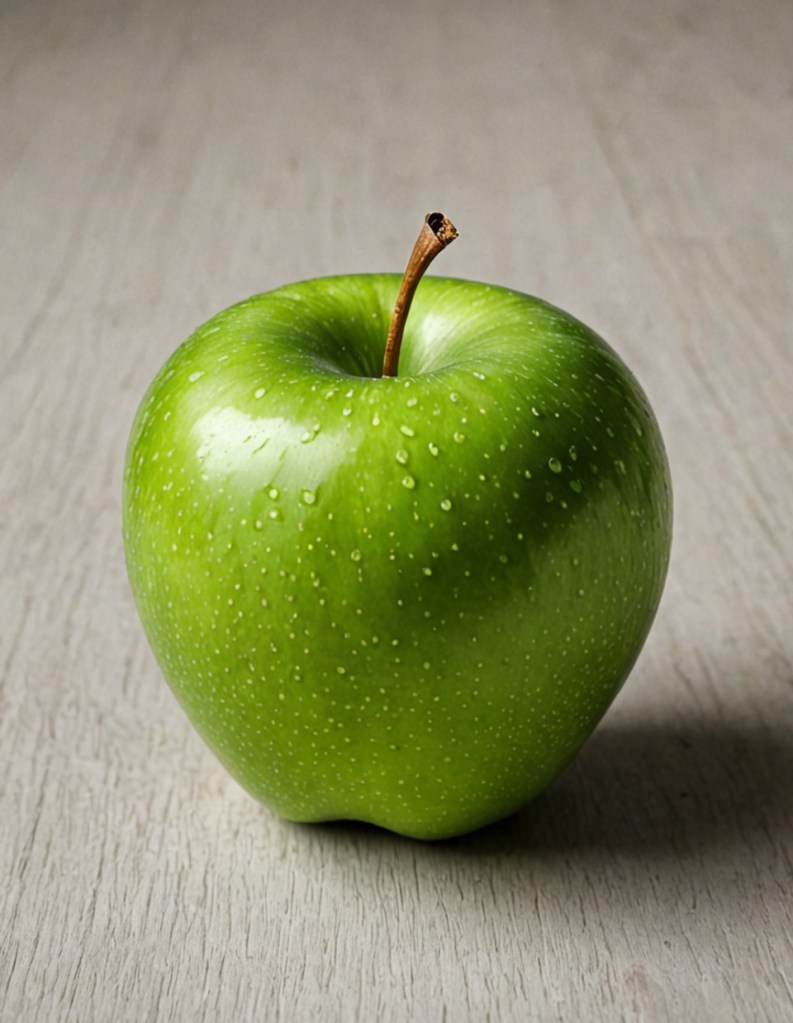
In the realm of trade, apples have served as a barometer of agricultural practices and economic conditions. The evolution of apple varieties—from the tart Granny Smith to the sweet Fuji—illustrates not only consumer preferences but also the artistry of cultivation. As such, selling apples is an endeavor that requires not only an understanding of the fruit itself but also an awareness of the market dynamics at play.
The Landscape of Selling Apples
When it comes to selling apples, one might seek advice from various sources: seasoned farmers, market analysts, or even casual acquaintances who claim to have expertise in sales. However, a critical question arises: How reliable is the advice from those who have never actually sold apples themselves?
While it is tempting to consider the opinions of those who have theoretical knowledge or a passing interest in the subject, one must remember that practical experience holds a unique value. Selling apples is not merely about the fruit; it involves understanding customer preferences, market trends, pricing strategies, and effective marketing techniques.
The Dangers of Misguided Advice
Listening to someone who has never navigated the complexities of selling apples can lead to misguided strategies. For instance, a well-meaning advisor might suggest aggressive pricing tactics without understanding the nuances of supply and demand in the apple market. They might recommend overextending oneself with inventory based on a hunch rather than statistical evidence of consumer behavior.
Moreover, the advice may stem from outdated practices that no longer resonate with modern consumers. The digital age has transformed how products are marketed and sold. A consultant who relies on traditional methods may fail to recognize the importance of social media, online marketplaces, and community engagement in today’s selling landscape.
The Balance of Seeking Advice
While the intent is not to dismiss advice altogether, it is essential to approach it with caution. Seek out mentors and advisors who have a proven track record in the apple industry or those who have successfully navigated similar markets. Their insights, shaped by real experience, can provide invaluable guidance.
However, it is equally important to foster a critical mindset. Evaluate advice against your own research, experiences, and understanding of the apple market. This balance will empower you to make informed decisions that align with your unique selling situation.
Closing Thought – Cultivating Your Orchard of Knowledge
In the art of selling apples, as in any entrepreneurial venture, knowledge is a powerful tool. While the fruits of others’ experiences can enrich your understanding, it is vital to discern the source of that wisdom. The history of apples is rich and varied, and so too is the journey of selling them. By cultivating your orchard of knowledge and being cautious about the advice you take, you can navigate the world of apple sales with confidence and success.
Ultimately, the journey of selling apples is not just about the fruit; it is about the stories we tell, the connections we make, and the wisdom we choose to embrace.
 NeuralRotica