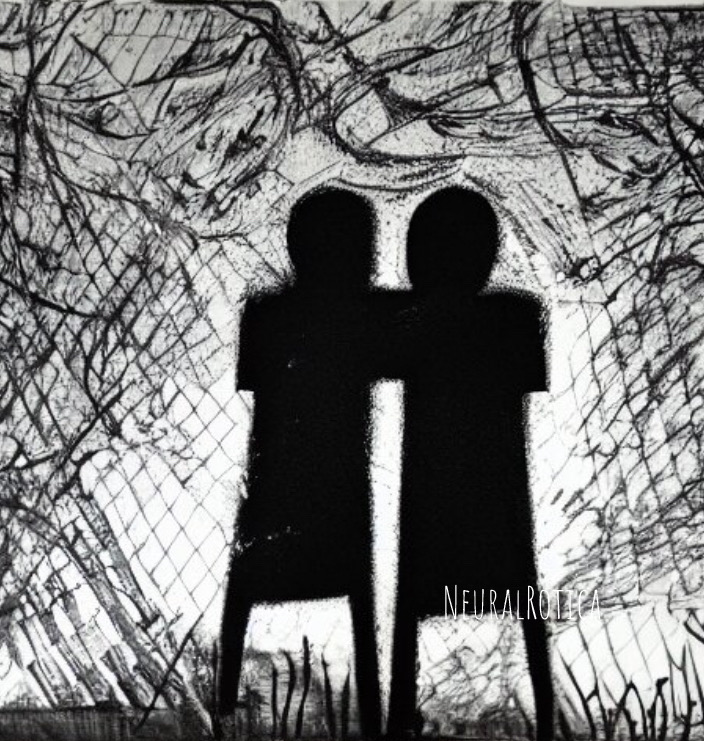
Once upon a time in the land of Reflection, there were two travelers: Pessimist and Trust. They embarked on a journey through the Valley of Challenges. Pessimist, burdened by a heavy cloak of doubt, saw every obstacle as a looming threat, always expecting the worst. Trust, on the other hand, carried a lantern of hope, illuminating the path ahead with unwavering faith.
As they ventured through the valley, they encountered a bridge, old and weathered. Pessimist hesitated, envisioning collapse and danger. Trust, however, stepped forward, believing in the bridge’s strength. As Trust crossed, the bridge held firm, reinforcing their belief. On the other side, they discovered a garden of resilience, blooming with opportunities.
Continuing their journey, they faced a dense forest. Pessimist saw it as a labyrinth of despair, fearing what may lurk within. Trust, however, ventured forth, guided by an inner light of optimism. As Trust navigated the forest, the trees seemed to part, revealing a path to growth and understanding.
Finally, they arrived at the River of Uncertainty, its currents wild and unpredictable. Pessimist recoiled, imagining a perilous crossing. Trust, undeterred, sought a way across, convinced that the river held the promise of new discoveries. With each step, Trust found stones to bridge the divide, leading them to the shores of resilience and opportunity.
In the end, Pessimist learned that in the presence of Trust, even the darkest paths held the potential for light. And Trust discovered that in the face of doubt, its unwavering light could reveal the way forward. Together, they realized that trust in oneself and the journey could transform even the most daunting challenges into paths of hope and fulfillment.
In the realm of artistic expression, each individual possesses a unique fingerprint of the soul, an indelible imprint that defines their creative essence. Whether through visual arts, music, literature, or any other form of creative endeavor, the mark of one’s soul is woven into the fabric of their art, leaving an enduring impression on both creator and audience.
Art, in its myriad forms, serves as a mirror reflecting the innermost thoughts, emotions, and experiences of the artist. It encapsulates the very essence of their being, transcending mere aesthetics to become a profound statement of their individuality. Just as a fingerprint is distinctive to each person, so too is the art born from the depths of one’s soul.
The artist’s journey is a deeply personal one, often characterized by introspection, self-discovery, and a relentless pursuit of truth. Through their chosen medium, they externalize their inner worlds, offering audiences a glimpse into the labyrinth of human emotion and experience. Each brushstroke, musical note, or written word is imbued with the artist’s consciousness, becoming a vessel through which their soul speaks to the world.
The indelible nature of this imprint lies in its ability to transcend time and space, resonating across generations and cultures. Just as we marvel at the ancient cave paintings of our ancestors or lose ourselves in the haunting melodies of classical music, future generations will encounter the fingerprint of our souls in the art we leave behind.
Moreover, the fingerprint of the soul serves as a testament to the universality of human experience. While deeply personal, art has the power to forge connections, evoke empathy, and spark understanding across diverse backgrounds. It is through the recognition of our shared humanity that the indelible imprint of art becomes a unifying force, transcending boundaries and fostering a sense of collective consciousness.
In a world that often seeks to categorize and compartmentalize, the fingerprint of the soul within art stands as a reminder of the beauty found in individuality. It celebrates the idiosyncrasies of the human spirit, embracing imperfections and complexities as integral components of the artistic narrative.
As creators, we bear the responsibility of nurturing and honoring the fingerprint of our souls, for it is through this authenticity that we make our most profound impact. By fearlessly channeling our innermost selves into our art, we invite others to embark on a journey of introspection and emotional resonance, fostering a profound connection that defies the constraints of language or culture.
Ultimately, the indelible imprint of the soul within art transcends the confines of mortality, serving as a timeless testament to the human experience. It is a legacy that outlasts the passage of time, a whisper from the depths of our being that echoes through the ages.
In embracing the fingerprint of our souls as an indelible imprint of our art, we not only affirm our own existence but also contribute to the rich tapestry of human creativity, leaving behind a legacy that speaks to the beauty and complexity of what it means to be alive.
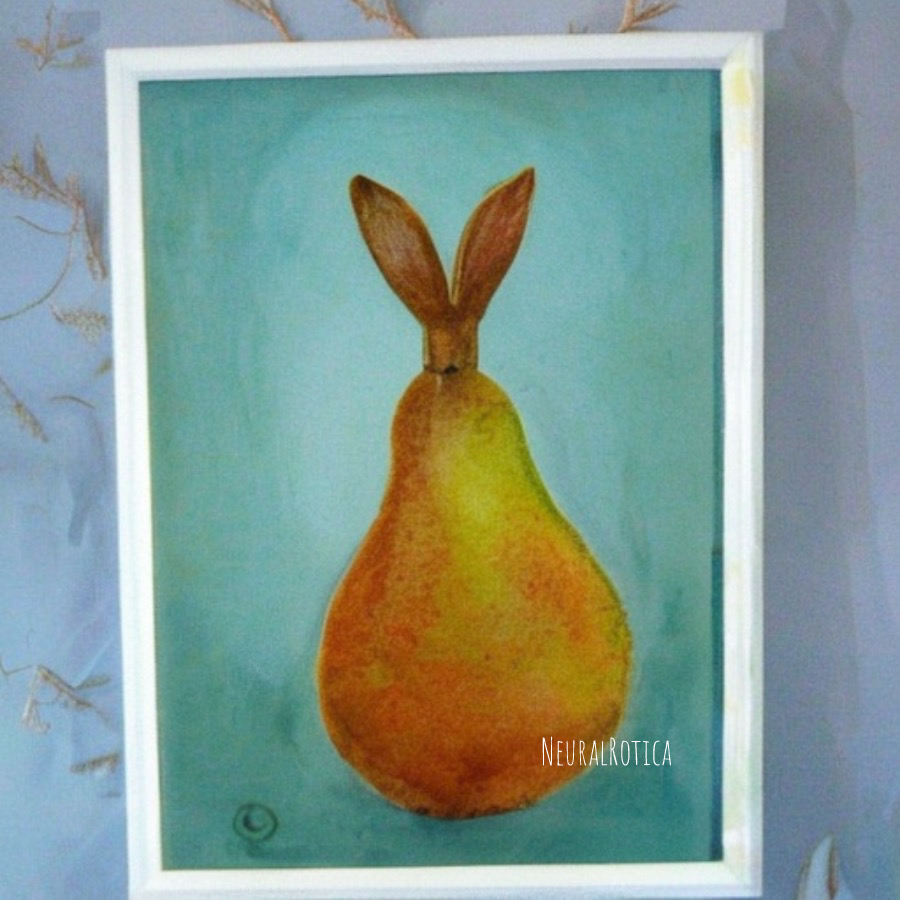
Throughout the annals of art history, certain motifs have persisted as timeless symbols, transcending cultures and epochs. Among these, the pear and the hare stand out as two enigmatic figures that have captivated the imagination of artists for centuries. Individually, they embody distinct meanings and associations, but when brought together in artistic representation, they weave a narrative that speaks to the human experience in profound and unexpected ways.
The Pear: Symbol of Abundance and Sensuality
The pear, with its voluptuous form and luscious flavor, has long been emblematic of abundance, fertility, and sensuality. Its curvaceous silhouette has been celebrated in still life paintings, where it often takes center stage as a representation of earthly pleasures. From the sumptuous works of Dutch Golden Age painters to the lavish compositions of the Impressionists, the pear has been depicted in various stages of ripeness, its presence evoking a sense of opulence and indulgence.
In addition to its associations with earthly delights, the pear has also been imbued with symbolic significance in religious and mythological contexts. In Christian art, the pear has been used to represent the divine feminine and the Virgin Mary, while in ancient mythology, it has been linked to themes of love and temptation, most notably in the story of Paris and the golden apple.
The Hare: Emblem of Mystery and Vitality
Conversely, the hare has long held a place in art as a symbol of mystery, agility, and vitality. With its fleet-footed nature and enigmatic gaze, the hare has been a recurring motif in folklore and mythology, often embodying the archetype of the trickster or the elusive, otherworldly creature. In many cultures, the hare is associated with the moon, fertility, and the cycle of life and death, its presence invoking a sense of the uncanny and the supernatural.
In art, the hare has been depicted in various guises, from the whimsical renderings of Beatrix Potter to the enigmatic portrayals in the works of Albrecht Dürer and other Old Masters. Its presence in art serves as a reminder of the untamed and instinctual aspects of the natural world, as well as a testament to the enduring allure of the mysterious and the unknown.
The Pear and the Hare: A Duet of Symbolism
When these two evocative symbols are brought together in art, they create a juxtaposition that invites contemplation and interpretation. The pear, with its associations of earthly pleasure and fecundity, finds itself juxtaposed with the hare, a creature of the wild and the otherworldly. This pairing presents a dichotomy of themes—sensuality and mystery, abundance and elusiveness—that invites viewers to explore the complexities of human experience and the interplay between the tangible and the intangible.
In the history of art, the pear and the hare have been depicted together in various contexts, from still life compositions to allegorical tableaux. Each encounter invites viewers to ponder the symbolic resonance of these two elements, as they engage in a visual dialogue that transcends the boundaries of time and culture.
The pear and the hare represent more than mere objects or animals in the realm of art. They stand as enduring symbols that have fascinated and inspired artists across centuries, inviting viewers to delve into the rich tapestry of human experience and the enigmatic interplay of symbolism and representation. As we continue to explore the depths of artistic expression, the pear and the hare will undoubtedly remain fixtures in the ever-evolving narrative of visual storytelling, their timeless allure continuing to captivate and intrigue generations to come.
In the 21st century, as we strive for progress and equality, it is disheartening to acknowledge that the art of repressing women’s rights continues to persist in many parts of the world. Despite significant advancements in various spheres, women still face systemic barriers that impede their fundamental rights and freedoms. This repressive art manifests in different forms, including legal constraints, societal norms, and cultural prejudices that undermine women’s autonomy and agency.
One of the most evident forms of repressing women’s rights is through legislative and legal frameworks that discriminate against them. In many regions, women are denied the right to make decisions about their own bodies, their reproductive health, and their overall well-being. Laws and policies often perpetuate gender disparities, limiting women’s access to education, healthcare, and economic opportunities. The legal system, instead of protecting and promoting women’s rights, at times becomes a tool for their repression, allowing for unequal treatment and acts of violence to go unchecked.
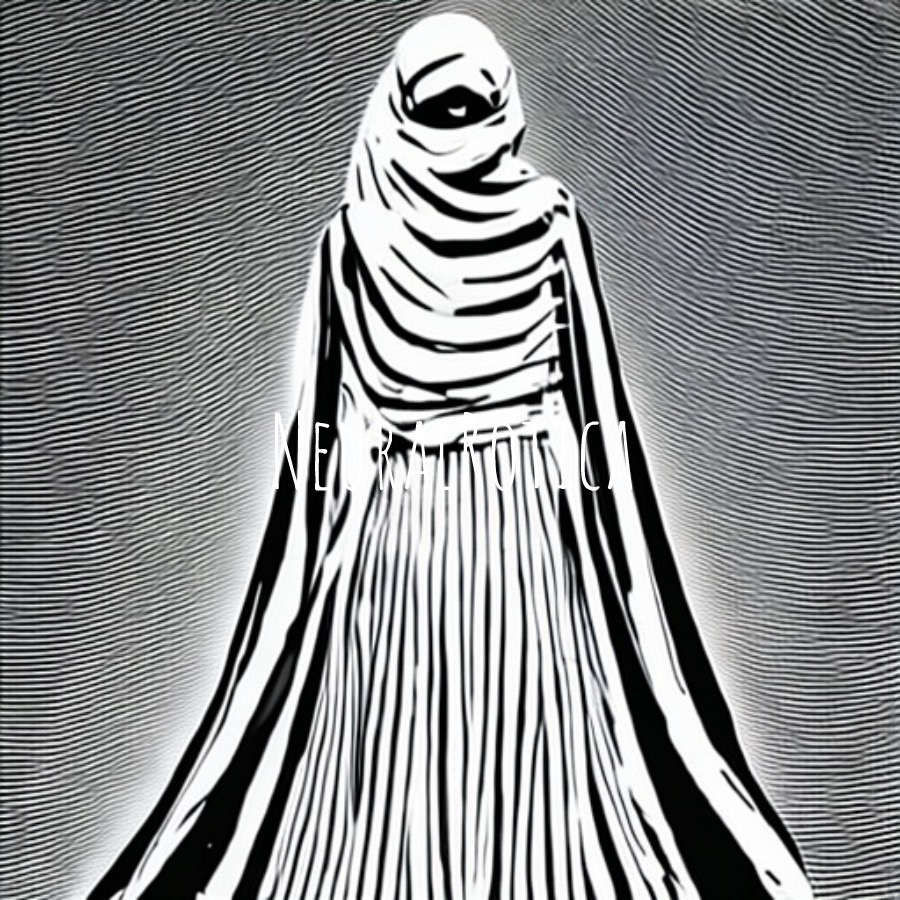
Beyond legal constraints, societal norms and cultural practices play a pivotal role in repressing women’s rights. Deeply ingrained gender stereotypes and traditional expectations often confine women to predefined roles, stifling their aspirations and potential. The imposition of restrictive dress codes, limitations on mobility, and the policing of women’s behavior serve to maintain a patriarchal status quo, depriving women of their autonomy and individuality.
Furthermore, the art of repressing women’s rights thrives through economic disenfranchisement. Women are frequently subjected to wage disparities, limited job opportunities, and barriers to career advancement. Economic dependence can render women vulnerable to exploitation and abuse, further perpetuating their marginalization.
To combat the art of repressing women’s rights, it is imperative to foster a culture of empowerment and equality. This necessitates multifaceted approaches, including legal reforms, educational initiatives, and advocacy for gender-inclusive policies. Enforcing and strengthening laws that protect women’s rights, promoting comprehensive sex education, and challenging discriminatory cultural practices are crucial steps toward dismantling the structures that perpetuate gender inequality.
Empowering women economically is also paramount. This involves ensuring equal pay for equal work, fostering entrepreneurship, and providing support for women to access resources and opportunities that enable financial independence. When women are economically empowered, they are better equipped to assert their rights and contribute meaningfully to society.
Moreover, challenging and transforming societal attitudes and norms is essential in uprooting the art of repressing women’s rights. This calls for engaging communities in conversations that debunk harmful stereotypes, promote gender equality, and advocate for a more inclusive and diverse representation of women in all spheres of life.
The art of repressing women’s rights persists as a significant challenge in our modern world. Addressing this issue requires a collective effort to dismantle oppressive structures and cultivate an environment where women can thrive and exercise their rights without fear of discrimination or marginalization. By championing empowerment, equality, and justice, we can work towards a future where the art of repressing women’s rights becomes nothing more than a relic of the past—a testament to our unwavering commitment to creating a more equitable world for all.
In the stillness of the night, as we surrender to the embrace of sleep, our minds often wander back to the cherished memories of our childhood. These nocturnal journeys take us back to a time of innocence, wonder, and joy, allowing us to relive the magical moments that have shaped who we are today. As we dream, our subconscious mind paints vivid pictures of laughter-filled days, carefree adventures, and the warmth of family bonds.
The phenomenon of dreaming about childhood memories is a testament to the enduring impact of those formative years. These dreams often manifest in various forms, from playing with favorite toys to running through sunlit fields, and even reliving special occasions such as birthday parties or holidays. They serve as a gentle reminder of the simplicity and purity of childhood, offering a reprieve from the complexities of adult life.
Through the lens of dreams, we find ourselves reconnecting with the essence of our younger selves. Our subconscious effortlessly resurrects the sights, sounds, and emotions of days gone by, transporting us to a time when the world seemed boundless and every day held the promise of adventure. In these dreams, we rediscover the unbridled curiosity that fueled our exploration of the world, the unshakeable belief in the extraordinary, and the unyielding resilience that allowed us to bounce back from setbacks with ease.
Moreover, the dreams of childhood memories often serve as a source of comfort and solace. They act as a soothing balm for the trials and tribulations of adulthood, offering a sanctuary where the worries and stresses of the present fade into the background. In these dreams, we find refuge in the familiar embrace of loved ones, the lightheartedness of play, and the unspoken promise that everything will be alright.
Psychologically, these dreams play a crucial role in shaping our identity and well-being. They provide an opportunity for introspection, allowing us to reassess our values, ambitions, and relationships in light of the unspoiled wisdom of our younger selves. By revisiting the carefree days of our past, we often gain a renewed sense of perspective, resilience, and an appreciation for the simple joys that once defined our lives.
As we awaken from these dreams, we are left with a profound sense of nostalgia and gratitude. The echoes of childhood memories linger, infusing our waking hours with a renewed sense of purpose and a deeper connection to the people and experiences that have shaped our lives. These dreams serve as a gentle nudge to treasure the present while honoring the past, to embrace the childlike wonder that still resides within us, and to carry forth the lessons of our youth into the complexities of adulthood.
In the quiet moments before sleep, as we drift into the realm of dreams, let us welcome the sweet embrace of childhood memories. For in those reveries, we rediscover the enduring magic that resides within us, and we emerge with hearts full of gratitude, ready to face the world with the resilience and wonder of a child.
In an age where personal branding and social media personas dominate our perceptions, the adage “fake it until you make it” has become a guiding principle for many striving to climb the ladder of success. This mantra suggests that by emulating confidence, competence, and success, individuals can manifest these qualities in their lives. However, this practice is a delicate art form, teetering on the edge of inauthenticity and genuine self-improvement.
At its core, “fake it until you make it” is rooted in the idea of self-fulfilling prophecy. The theory posits that by adopting the behaviors and attitudes of the person you aspire to become, you set in motion the actions and reactions that make this transformation possible. It’s a form of aspirational behavior modification that can indeed lead to positive outcomes. By outwardly projecting confidence, individuals may garner more respect and opportunities, which can, in turn, foster genuine self-assurance.
Nonetheless, the inherent danger in this approach is the potential for creating a chasm between one’s public facade and private reality. The artifice required to ‘fake’ one’s way to the top can lead to a sense of disconnection and the erosion of trust when the veneer cracks. Authenticity, a buzzword in its own right, becomes compromised. Relationships, both personal and professional, can suffer when the truth comes to light. Moreover, the psychological toll of maintaining a facade can lead to burnout and a loss of self-identity.
The key to harnessing the power of “fake it until you make it” lies in balance and self-awareness. It is about stretching one’s comfort zone without snapping the tether to one’s true self. It’s about growth, not just the illusion of it. For those seeking success, it is essential to remember that inauthenticity is a fragile foundation on which to build one’s dreams. The art is not in deception, but in believing in one’s ability to grow and embracing the journey, imperfections and all.
In closing, while “fake it until you make it” can be a useful strategy for personal development, it must be approached with caution and a strong sense of self. The art of inauthenticity is not about crafting a false identity, but rather about adopting a temporary armor as one navigates the battlefield of personal progression. True success, after all, is not just in the achievement but in the authentic journey that gets us there.
Art, in its myriad forms, has always been a profound expression of human experience. It is a tangible manifestation of how artists comprehend the world, internalize their discoveries, and articulate their emotions. The symbiotic relationship between art and the artist is one of the most enduring and personal in the creative realm. This article delves into the intricate ways in which all art is intrinsically linked to the lifeblood of its creator: the artist.
At its core, art is a conversation between the creator and the audience, but before it reaches the public eye, it is a deeply intimate dialogue within the artist’s own psyche. Every stroke of the brush, chisel strike, or pen scribble is a word in a silent language that speaks volumes about the individual wielding the tool. The choices an artist makes—color, form, medium, and subject—are not arbitrary. They are culled from a well of personal experiences, beliefs, and emotions.
Art is a vessel for the artist’s voice, a voice that can echo through time. The Renaissance masterpieces, the profound sculptures of ancient civilizations, and the avant-garde performances of modernity all carry within them the essence of the artists. From Michelangelo to Frida Kahlo, their work is a legacy of their existence, a testament to their personal revolutions and the eras that shaped them.
Furthermore, the dependence of art on the artist reveals itself in the creative process. This process is a journey of self-discovery, where the artist must confront their strengths and vulnerabilities. The canvas becomes a confidant, the clay a companion in the exploration of self. For many artists, this process is cathartic, a means to reconcile inner turmoil or to celebrate moments of clarity and joy.
Art also depends on the artist’s vision to break boundaries. It is the artist who dares to see the world differently, to present ideas that challenge and inspire, and to innovate with materials and techniques. The evolution of art styles, from impressionism to abstract expressionism, has been propelled by these pioneering spirits who dared to express what was previously unvoiced.
In the dance between skill and imagination, it is the artist’s discipline and mastery of their craft that allows for the translation of intangible thoughts into tangible works. Mastery, however, does not imply a lack of struggle. The dependence of art on the artist is also a narrative of perseverance, of countless hours honing a craft and the relentless pursuit of a vision that often only the artist can see.
Finally, the value of art is often a reflection of the artist’s influence on society. Artistic works that resonate with audiences do so because they encapsulate something universally human, something that the artist has managed to distill from the abstract into the concrete. It is the artist’s sensitivity to the human condition, their ability to empathize, and to communicate that empathy through their work, that imbues art with its lasting impact.
In closing, to discuss art without the artist is to overlook the very heart of creative expression. Art, in all its diversity, is a mirror of the artist’s soul—a soul that questions, celebrates, mourns, and dreams. The dependence of art on the artist is not merely a factor of creation; it is the profound truth that every piece of art is a chapter in the ongoing story of human creativity, narrated by those daring enough to pick up the pen, the brush, or the chisel. As society continues to evolve, so too will art, forever bound to the spirit of those who create it.
In the dance of human interaction, it’s no secret that some individuals have a tendency to lead with a forceful step, often pushing their partners around the floor without regard to their rhythm or direction. To avoid being a passive participant in life’s tango, one must learn the art of standing firm.
The foundation of this art is self-awareness. Knowing your values, understanding your boundaries, and recognizing your worth are the cornerstones of not getting pushed around. When you are clear about what you stand for, you can communicate your position with confidence and clarity.
Assertiveness is the brush with which you paint your personal masterpiece of interaction. It is not about aggression or stubbornness, but about expressing your thoughts and feelings honestly and directly. It’s the ability to say no without guilt and yes without hesitation when it aligns with your principles.
The practice of assertiveness requires a delicate balance. One must listen actively and empathize with others, while also holding ground when pressured to concede. It’s about negotiation, not domination, seeking win-win outcomes where respect is mutual.
Building resilience is also crucial. Life will inevitably push back as you assert yourself. Resilience allows you to face setbacks and criticism without being uprooted. It enables you to bounce back, learn from experiences, and continue to stand your ground with poise.
Finally, the art of not getting pushed around is about picking your battles. Some situations require you to stand firm, while others call for flexibility and compromise. The wisdom lies in knowing the difference.
In closing, not getting pushed around is an art that requires self-awareness, assertiveness, resilience, and discernment. By mastering this art, you become the choreographer of your own life, moving to your own rhythm, in step with others, but never at the expense of your own direction.
In today’s interconnected global groupthink, the clash of ideas has never been more prevalent. With the rise of social media and digital communication, individuals are exposed to a myriad of opinions and beliefs, often conflicting with their own. In this landscape, the concept of “canceling” opposing ideas has become a prevalent phenomenon, leading to heated debates, divisions, and polarization.
The act of canceling opposing ideas involves discrediting, ostracizing, or silencing individuals or groups, often in response to their expressed beliefs or actions. This practice, while sometimes rooted in the pursuit of justice and accountability, has also been criticized for stifling open dialogue and inhibiting the free exchange of ideas.
At its core, the art of canceling opposing ideas reflects a struggle between the right to express oneself and the responsibility to maintain a respectful and inclusive discourse. As such, navigating this complex terrain requires a delicate balance and a nuanced approach.
First and foremost, it is crucial to recognize the value of diverse perspectives. Engaging with opposing ideas can foster critical thinking, empathy, and a deeper understanding of complex issues. Rather than seeking to cancel differing viewpoints, we should strive to engage in constructive dialogue, seeking common ground and mutual respect.
Moreover, it’s essential to differentiate between constructive criticism and outright condemnation. While holding individuals and institutions accountable for harmful behavior is necessary, it’s equally important to allow room for growth, education, and reconciliation. Canceling opposing ideas should not be a knee-jerk reaction, but rather a thoughtful and measured response to problematic beliefs or actions.
Furthermore, promoting a culture of active listening and empathy can significantly impact the way we engage with opposing ideas. By seeking to understand the underlying motivations and experiences that shape differing viewpoints, we can foster an environment conducive to respectful and meaningful discourse.
In addition, acknowledging the complexities of human thought and behavior is essential. People are multifaceted, and their beliefs are often influenced by a myriad of factors, including culture, upbringing, and personal experiences. Embracing this complexity can lead to a more nuanced approach to engaging with opposing ideas, ultimately promoting greater understanding and unity.
Ultimately, the art of canceling opposing ideas is a reflection of our collective ability to navigate the complexities of a rapidly evolving society. By fostering open dialogue, empathy, and critical thinking, we can strive to create a world where diverse perspectives are valued, and where discourse is characterized by respect and understanding.
In closing, the art of canceling opposing ideas is a multifaceted challenge that calls for introspection, empathy, and a commitment to fostering inclusive and respectful dialogue. By embracing these principles, we can aspire to create a society where the clash of ideas becomes an opportunity for growth, understanding, and positive change.



 NeuralRotica