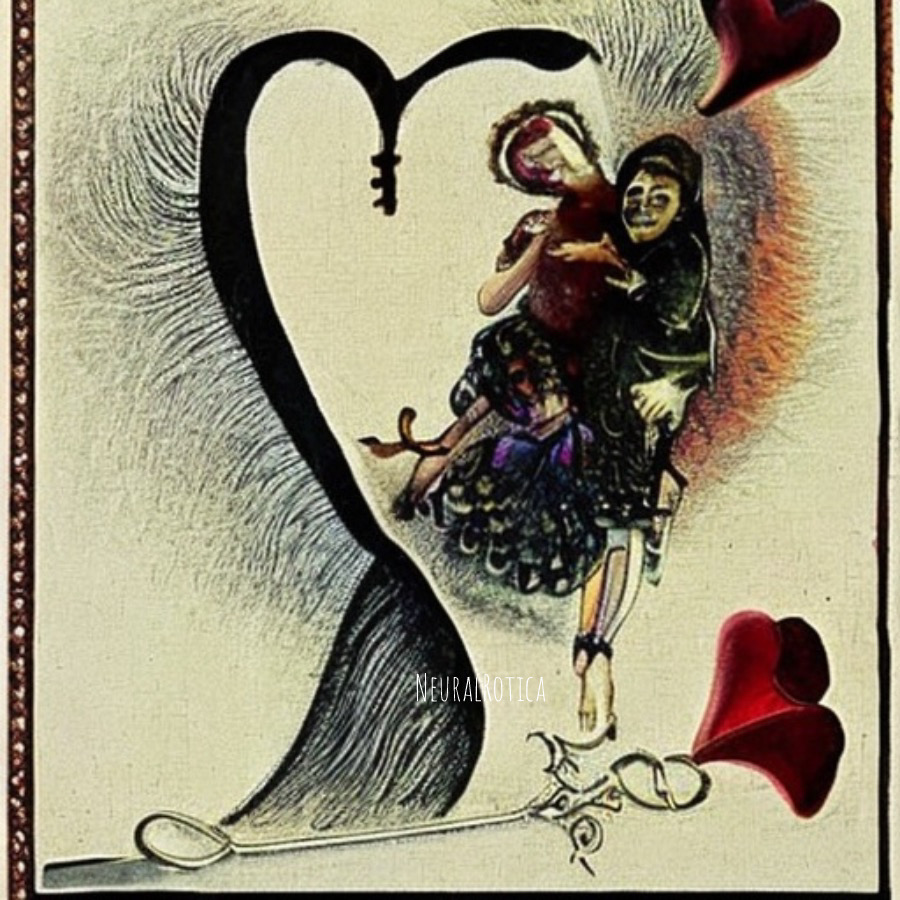
Love, often portrayed as a symbol of warmth and affection, can also be likened to a double-edged dagger, possessing the power to both uplift and wound. This paradoxical nature of love has been a recurring theme throughout history, literature, and human experience.
At its core, love embodies the potential for immense joy and fulfillment. It nurtures, supports, and inspires, becoming a source of strength and comfort for those who embrace it. Love’s gentle caress can soothe even the deepest wounds, mending the broken pieces of one’s soul and breathing life into desolate hearts. It acts as a beacon of hope, guiding individuals through the darkest of times and lifting them to unparalleled heights.
However, the same love that kindles warmth and euphoria can also transform into a piercing dagger, inflicting pain and sorrow. When love turns sour, the once comforting embrace becomes a weapon, leaving scars that run deeper than any physical wound. Betrayal, loss, and unrequited affection are the jagged edges of this emotional blade, cutting through the very fabric of one’s being and leaving behind a trail of anguish.
In literature, love’s dual nature has been a wellspring of inspiration for countless authors and poets. Shakespeare’s tragic tale of Romeo and Juliet encapsulates the essence of love’s treacherous blade, where the ecstasy of newfound love quickly descends into the agony of separation and death. Similarly, Emily Brontë’s “Wuthering Heights” delves into the destructive power of love, portraying it as a force that consumes and destroys everything in its path.
In the realm of psychology, love’s dichotomy has been a subject of fascination. Psychologists have long studied the intricate interplay between love and pain, delving into the depths of human emotion and attachment. The phenomenon of “love addiction” and the anguish of unrequited love stand as testaments to the piercing nature of love’s darker edge.
Navigating the complexities of love requires a delicate balance, akin to wielding a finely crafted dagger. It demands introspection, empathy, and resilience. Embracing love means acknowledging its potential to bring both rapture and devastation, and being prepared to weather the storms it may bring.
Ultimately, the dual nature of love serves as a reminder of its profound significance in the human experience. It is a testament to the depth of human emotion, capable of bringing boundless joy and profound sorrow in equal measure. Embracing love, despite its potential to wound, is a testament to the resilience of the human spirit and the enduring pursuit of connection and understanding.
In closing, love, like a finely honed dagger, possesses the power to heal and harm, to uplift and wound. Its paradoxical nature serves as a poignant reminder of the complexities inherent in the human experience, urging us to approach it with reverence, understanding, and a profound appreciation for its transformative power.



 NeuralRotica