In the humanity of existence, threads of freedom and equality intertwine, weaving a vision where the shadows of oppression and greed are dismantled by the collective light of solidarity and communal harmony.

In the humanity of existence, threads of freedom and equality intertwine, weaving a vision where the shadows of oppression and greed are dismantled by the collective light of solidarity and communal harmony.
In our increasingly complex and interconnected world, the importance of adopting a holistic view has never been more critical. This perspective, which considers the whole rather than just the parts, offers profound insights into addressing the multifaceted challenges of modern life. From personal well-being to environmental sustainability, the art of a holistic view is both a philosophy and a practice that can lead to more effective, sustainable, and balanced solutions.
The Essence of Holism
At its core, holism is the idea that systems (physical, biological, chemical, social, economic, mental, linguistic, etc.) and their properties should be viewed as wholes, not just as a collection of parts. This approach emphasizes the interconnectedness of all components within a system and how they interact and influence one another in complex ways.
In practical terms, adopting a holistic view means considering the physical, emotional, mental, and spiritual aspects of an individual when addressing health and wellness. It involves looking at the environmental, economic, and social dimensions of sustainability when devising solutions for climate change. It’s about understanding the interplay between different sectors and disciplines when innovating for the future.
The Art of Practicing Holism
The art of a holistic view lies in its application. It requires a shift from linear, reductionist thinking to a more dynamic, systems-based approach. Here are several principles and practices that embody this art:
The Impact of a Holistic View
Embracing a holistic view can lead to transformative outcomes across various domains:
Closing Thoughts
The holistic view is not just a theoretical concept but a practical guide to living and working in the 21st century. It challenges us to see beyond the immediate and the individual, to understand the broader implications of our actions, and to strive for solutions that are sustainable, equitable, and beneficial for all. By mastering the art of a holistic view, we can navigate the complexities of modern life with wisdom, compassion, and creativity, fostering a world that thrives in harmony and balance.

In our ever-evolving society, the prevalence of divisive issues has become a staple of daily discourse, stirring emotions and often leading to polarized viewpoints. Yet, amidst these tumultuous debates lies the potential for growth, understanding, and unity. The key to unlocking this potential requires an artful approach centered on self-awareness and active listening. This article delves into the depths of finding balance in divisive issues, guiding readers through a transformative journey that transcends mere agreement, aiming for a deeper comprehension of diverse perspectives.
Self-awareness is the cornerstone of engaging constructively in divisive issues. It involves a profound understanding of one’s thoughts, emotions, biases, and values. This introspective journey allows individuals to recognize their own positions within a broader spectrum of opinions, acknowledging that their perspectives are shaped by unique experiences and influences.
To foster self-awareness, one must first embrace vulnerability. Acknowledging our limitations and biases is uncomfortable but essential. It requires courage to question our beliefs and the willingness to adjust them in light of new information or understandings. This process does not necessarily mean abandoning one’s values but rather refining them through a lens of empathy and humility.
Reflection is a powerful tool in the quest for self-awareness. It involves taking a step back from the heat of the moment to contemplate our reactions and the roots of our beliefs. Through reflection, we can identify the emotional triggers that divisive issues often press, allowing us to approach discussions with a calmer, more measured demeanor.
Active listening transcends the act of hearing words; it is about fully comprehending the message being conveyed, both verbally and non-verbally. In the context of divisive issues, active listening is a bridge to understanding, a pathway to empathy that acknowledges the complexity of human experience and opinion.
Active listening involves paying close attention not just to what is being said, but how it’s being said—the tone, the emotion, and the underlying concerns or fears. It requires a suspension of judgment and the postponement of one’s response to truly appreciate the speaker’s perspective. This empathetic engagement opens the door to more nuanced discussions that recognize the validity of differing viewpoints.
Asking thoughtful, open-ended questions is a hallmark of active listening. It signals genuine interest and curiosity, encouraging speakers to delve deeper into their thoughts and feelings. This practice not only enriches the listener’s understanding but also fosters a sense of respect and validation, crucial ingredients for constructive dialogue.
At the heart of finding balance in divisive issues is empathy: the ability to see the world through another’s eyes, to feel what they feel. Empathy does not demand agreement but calls for compassion and the recognition of our shared humanity. It is the bridge that connects self-awareness and active listening, transforming them into a powerful tool for navigating and reconciling differing viewpoints.
Developing empathy starts with the recognition that each person’s views and feelings are valid, even if they diverge from our own. It involves the conscious effort to engage with and understand those who think differently, to find common ground amidst the diversity of thought. This mindset not only enriches our personal growth but also contributes to a more cohesive, understanding society.
The art of finding balance in divisive issues is not about erasing differences or forcing consensus. It is about fostering an environment where diverse perspectives can coexist, where dialogue is marked by respect, understanding, and the shared goal of betterment. Through the pillars of self-awareness and active listening, enhanced by the bridge of empathy, we can navigate the complexities of divisive issues with grace and compassion. This journey is not a destination but a continuous process of growth, a testament to the resilience and beauty of the human spirit in its quest for harmony and understanding.
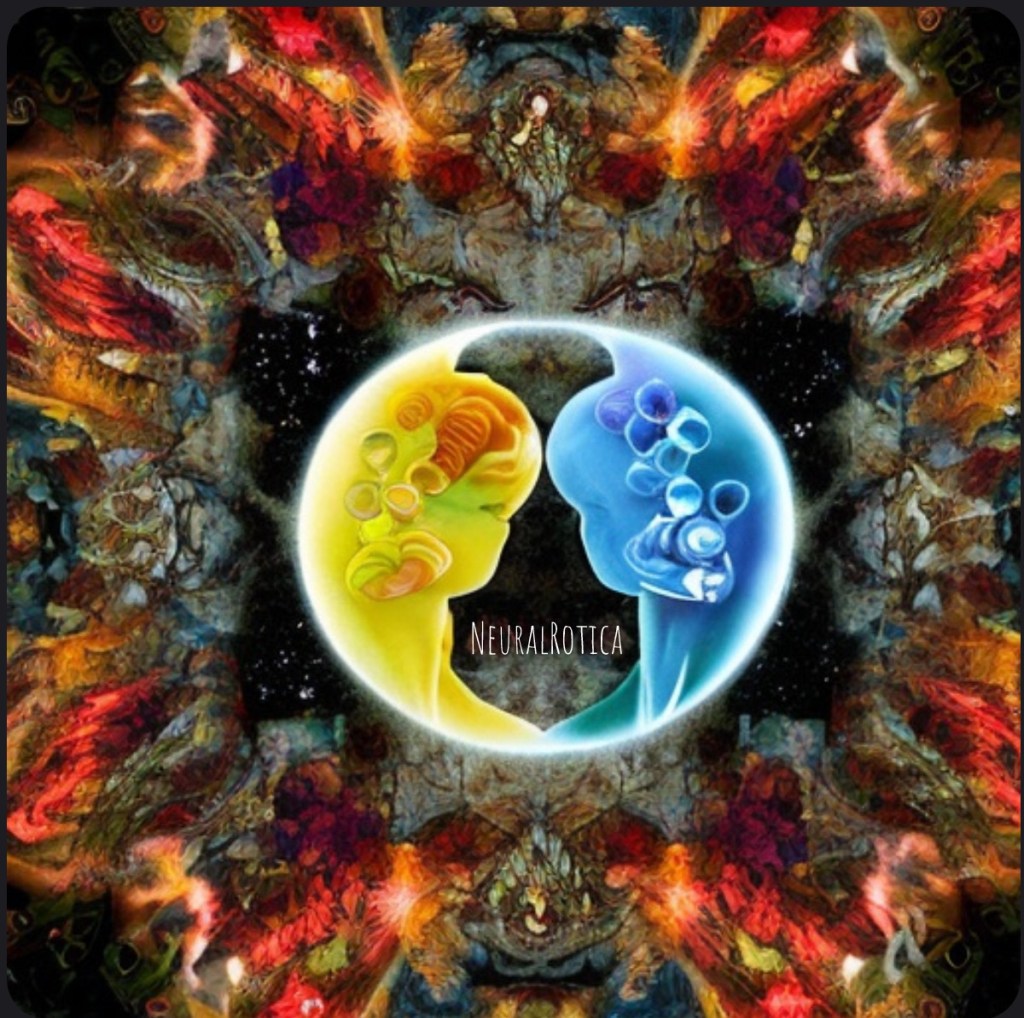
In a society increasingly driven by transactions, where value is often quantified and exchanged in a seemingly equitable manner, there exists a profound, intangible experience that defies such simplistic categorization: love. This emotion, which has inspired countless poets, philosophers, and everyday individuals, transcends the concept of give-and-take that dominates much of our understanding of human interaction. To comprehend love as merely a transaction is to overlook its essence, its ability to foster connection and transformation beyond the confines of calculated exchange.
At its core, the transactional viewpoint hinges on the principle of equivalence—giving something to receive something of equal value in return. However, love operates on a different plane, where the acts of giving and receiving are not measured against each other but are expressions of a deeper connection. Love is about giving without the immediate expectation of receiving, where the joy comes not from what we gain but from the act of giving itself. This means that in love, the balance sheet never truly balances, and that’s not only acceptable but celebrated.
Attempts to quantify love—to break it down into components that can be traded or compensated—fail to capture its essence. Love encompasses a spectrum of emotions and actions that defy simple quantification: support during times of hardship, understanding without judgment, the shared joy of life’s victories, and the silent companionship that speaks volumes. These aspects of love are not commodities to be exchanged but gifts to be cherished.
Unlike transactions, which are typically finite exchanges, love has the power to transform individuals and relationships over time. It encourages growth, fosters empathy, and builds a foundation of trust that can weather life’s challenges. This transformative aspect of love underscores its distinction from transactional interactions, which are usually limited to the immediate exchange and seldom lead to profound personal growth or change.
Viewing love as a transaction can lead to a host of issues, such as keeping score in relationships, which can breed resentment and misunderstanding. When individuals start to tally what they give and receive, the unconditional aspect of love is lost, replaced by a business-like negotiation that lacks warmth and genuine connection. Moreover, this perspective can lead to unrealistic expectations and disappointment when the perceived balance is not maintained.
To embrace love’s true nature is to accept its inherent asymmetry and unpredictability. It involves recognizing that the most profound connections are built on a foundation of selflessness, where the happiness and well-being of the loved one are paramount. This does not mean neglecting one’s own needs but understanding that in the realm of love, the greatest fulfillment often comes from seeing our loved ones thrive.
In closing, love transcends the simplistic framework of transactions by fostering connections that are based on giving, transformation, and the unquantifiable joy of shared experiences. Its value lies not in what we receive but in what we are able to give and the growth that comes from this selfless exchange. By recognizing and celebrating love’s unique nature, we can deepen our relationships and connect with others in a more meaningful, lasting way.

In the nebulous glow of human history, the mediums through which we record and preserve our past play a pivotal role in the continuity of our cultural heritage. Among these, two of the most fascinating and contrasting methods are the preservation of history in ice and the ancient art of chiseling in stone. This article delves into the depths of these timeless techniques, exploring their significance, challenges, and the lessons they offer for the future.
The Chronicles Frozen in Time
In the frigid embrace of Earth’s polar regions and high-altitude glaciers, ice acts as a natural archive, preserving a treasure trove of historical and environmental information. From ancient pollen to air bubbles trapped for millennia, these icy vaults hold the keys to understanding Earth’s climatic past and, consequently, predicting its future. The study of ice cores, a scientific endeavor that involves drilling into ice sheets to retrieve samples, has revolutionized our understanding of climate change, volcanic eruptions, and even the history of human pollution.
The preservation of organic materials such as ancient human remains, artifacts, and extinct animals in ice offers a rare glimpse into the lives of our ancestors and the environments they inhabited. The discovery of Ötzi the Iceman in the European Alps and the Siberian woolly mammoths are prime examples of how ice can preserve history with remarkable detail, offering insights into ancient human societies and extinct ecosystems.
The Enduring Legacy of Stone
In stark contrast to the transient and delicate nature of ice, stone stands as a testament to permanence and durability. Since the dawn of civilization, humans have turned to stone to immortalize their presence, beliefs, and achievements. From the petroglyphs of prehistoric times to the grandeur of ancient temples and monuments, chiseling in stone has been an enduring method of communication and preservation.
This art form requires not only physical strength and precision but also a deep understanding of the material and the message to be conveyed. The legacy of stone chiseling can be seen in the world’s most iconic historical sites, such as the Egyptian pyramids, the statues of Easter Island, and the intricate carvings of Angkor Wat. These stone creations offer a window into the technological capabilities, social structures, and spiritual beliefs of ancient civilizations.
Challenges and Preservation
Despite their durability, both ice archives and stone monuments face significant threats from climate change and human activity. The warming of the planet has led to the melting of glaciers and ice sheets, risking the loss of invaluable historical and environmental records. Similarly, acid rain, pollution, and vandalism pose severe threats to stone heritage sites, eroding the very fabric of our cultural legacy.
Efforts to preserve these historical records involve a combination of traditional conservation techniques and modern technology. In the case of ice, scientists and conservationists are racing against time to extract and study ice cores before they are lost to melting. For stone monuments, digital preservation methods, such as 3D scanning and modeling, offer new avenues for documenting and safeguarding these sites for future generations.
Lessons for the Future
The preservation of history, whether encased in ice or chiseled in stone, serves as a poignant reminder of the fragility and impermanence of human existence in the face of natural forces and time. These methods of recording history not only connect us to our past but also offer invaluable lessons for the future. They underscore the importance of environmental stewardship and the need to cherish and protect our cultural heritage.
As we navigate the challenges of the 21st century, the stories preserved in ice and stone stand as beacons of knowledge, urging us to reflect on our place in the world and our responsibility to future generations. In preserving these records, we honor the legacy of those who came before us and ensure that the tapestry of human history remains intact for those who will come after.

Art has always been more than just a visual feast for the eyes; it’s a window into the minds and hearts of its creators, a reflection of the society in which it was produced, and often, a canvas of coded messages waiting to be deciphered. From the enigmatic symbols of ancient civilizations to the allegorical works of the Renaissance and beyond, artists have embedded clues in their works that offer insights into their personal beliefs, contemporary issues, and even secret societies. This article delves into the fascinating world of hidden clues in art, exploring how and why artists have communicated through cryptic messages throughout history.
Before diving into specific examples, it’s crucial to understand why artists have felt compelled to hide messages in their works. The reasons are as varied as the art itself, ranging from personal or political subversion, religious commentary, to playful ingenuity. In some cases, oppressive political regimes or strict religious orthodoxy prompted artists to conceal their true thoughts and critiques in symbolism and allegory to avoid persecution. In others, artists used hidden messages to challenge viewers to look beyond the surface or to engage with the art on a deeper, more intellectual level.
The tradition of embedding clues in art dates back to ancient civilizations, where art served as a crucial medium for communication, often entwined with religious and mythological symbolism. Egyptian hieroglyphs, for example, are a well-known ancient script that combined logographic and alphabetic elements, often used in art to convey religious significance or pharaonic power. Similarly, Mesoamerican cultures, such as the Maya, incorporated complex iconography and calendars in their art to signify religious dates and historical events, requiring contemporary scholars to decode their meanings painstakingly.
The Renaissance period, with its explosion of artistic expression, philosophical thought, and scientific inquiry, offers some of the most compelling examples of hidden clues in art. Artists like Leonardo da Vinci and Michelangelo Buonarroti were known not just for their unparalleled skill but also for embedding subtle, often heretical messages into their works. Da Vinci’s “The Last Supper,” for instance, is rife with symbolic elements that have been interpreted in myriad ways, from the positioning of the characters to the supposed hidden figures within the composition, sparking debates about religious doctrine and da Vinci’s own beliefs.
Michelangelo, tasked with painting the Sistine Chapel’s ceiling, imbued his frescoes with a complex layering of Christian and pagan imagery, perhaps reflecting his own conflict with the Church’s strictures or a deeper commentary on humanist thought prevalent at the time.
In modern and contemporary art, hidden messages often serve as direct commentary on societal issues. Picasso’s “Guernica,” for example, is a powerful anti-war statement that uses distorted forms and anguished figures to convey the horrors of the bombing of Guernica during the Spanish Civil War. Though not “hidden” in the traditional sense, the symbolism throughout the piece requires interpretation to fully grasp its anti-fascist message.
Banksy, the infamous street artist, uses his anonymity and satirical street art to critique contemporary social and political issues. His works, often popping up unexpectedly in public spaces, use irony and dark humor to comment on everything from consumerism to surveillance.
The interpretation of hidden messages in art is not a straightforward task; it requires an understanding of the historical, social, and personal context in which the art was created. Scholars and art enthusiasts alike play the role of detectives, piecing together clues from the artist’s life, contemporary events, and symbolic meanings to unravel the messages embedded within the artwork.
This process of deciphering not only enriches our understanding of the art but also connects us more deeply to the human experiences and intellectual currents that shaped it. It transforms the viewing of art from a passive to an active engagement, challenging us to look beyond the surface and appreciate the depth of human creativity and expression.
The clues hidden in art are a testament to the complexity of human thought and the deep desire for expression that transcends time and culture. From ancient hieroglyphs to Renaissance masterpieces and modern street art, these hidden messages invite us into a dialogue with the past, present, and future, encouraging us to question, interpret, and ultimately, understand the world around us in more nuanced ways. As we continue to uncover and interpret these clues, we not only pay homage to the ingenuity of artists through the ages but also keep the vibrant conversation between art and viewer alive.
In the rich tapestry of Greek mythology, a myriad of deities embody the forces of nature, human virtues, and the domains of life. Among these celestial beings, Teia, though not as widely recognized as her Olympian counterparts, holds a fascinating and unique role as the goddess of sight. This article delves into the essence of Teia, exploring her origins, significance, and the symbolic dimensions she embodies within Greek mythology.
Teia, also known as Theia or Thea in various texts, emerges from the ancient Greek pantheon as a figure of luminosity and vision. She is often considered a second-generation Titaness, born from the primordial entities Gaia (Earth) and Uranus (Sky). Teia’s lineage places her among the Titans, a race of divine beings who preceded the Olympians as rulers of the cosmos. Her siblings include notable figures such as Cronus, Rhea, Oceanus, and Hyperion, with whom she is said to have mothered Helios (the Sun), Selene (the Moon), and Eos (the Dawn).
The name Teia itself is believed to derive from the Greek word thea, meaning “sight” or “view,” and by extension “goddess.” This etymology underpins her association with the very act of seeing, encompassing both the literal and metaphorical dimensions of vision. As the mother of the celestial bodies that light the world, Helios and Selene, Teia is intrinsically linked to the concept of illumination—both physical and intellectual.
In a broader sense, Teia’s domain over sight extends to the enlightenment of the mind. She represents the clarity of thought and perception that comes from enlightenment, symbolizing the human capacity to perceive the truth beyond mere appearances. Her progeny, embodying the Sun, Moon, and Dawn, serve as metaphors for the different ways in which light and understanding can manifest in the human experience.
Unlike the major Olympian gods and goddesses, Teia did not have a widespread cult or significant temples dedicated to her worship. Her veneration was likely more abstract, intertwined with the reverence of natural phenomena like the sun and the moon. However, her presence in mythology and the symbolic roles attributed to her reflect an underlying cultural appreciation for the principles she represented—light, vision, and enlightenment.
Teia’s influence extends beyond the confines of mythological narratives into the realms of philosophy and art. The concept of sight, both physical and metaphorical, has been a central theme in various philosophical discourses, symbolizing knowledge, truth, and understanding. In art and literature, the imagery of light dispelling darkness has served as a powerful metaphor for enlightenment and wisdom, echoing the attributes associated with Teia.
Moreover, Teia’s legacy can be seen in the way modern cultures conceptualize vision and enlightenment. Her mythological roots inform contemporary understandings of sight and perception, reminding us of the ancient belief in the profound connection between seeing and knowing.
Though not as prominent as other deities in the Greek pantheon, Teia embodies a fundamental aspect of human experience—the quest for sight and understanding. Her mythology offers a nuanced perspective on the importance of vision, both in its literal sense and as a metaphor for enlightenment. As the goddess of sight, Teia stands as a timeless symbol of the pursuit of knowledge and the illumination that comes from seeing the world with clear eyes and an enlightened mind.

In an era where the future seems more uncertain than ever, the conventional wisdom of waiting until one has amassed a sufficient safety net of resources before embarking on new ventures or making significant life changes is being challenged. The mantra “Don’t wait to save to make a change” is gaining traction, advocating for a proactive approach to personal and financial growth. This philosophy underscores the importance of immediate action, leveraging current resources, and embracing change as a catalyst for development.
Traditionally, the notion of saving enough money, gaining enough experience, or waiting for the “right time” has been deeply ingrained in our approach to life’s changes and opportunities. This mindset is rooted in fear—fear of failure, of uncertainty, and of scarcity. While caution and preparation are prudent, they can often morph into procrastination and missed opportunities. The psychology of waiting is tied to our desire for security and comfort, but it’s this very comfort zone that can stifle growth and innovation.
The heart of the message, “Don’t wait to save to make a change,” lies in recognizing the power of the present moment. Starting now, with whatever resources or knowledge you have, sets a foundation for learning, growth, and adaptation. It’s about embracing a mindset of flexibility and resilience, understanding that change is not only inevitable but also a valuable tool for personal development.
From a financial perspective, this approach advocates for making informed, yet timely decisions. It’s about investing in oneself, whether through education, starting a business, or exploring new markets, without the paralysis of over-preparation. It emphasizes the value of experiential learning and the potential for compounding growth, both personally and financially. Immediate action, coupled with strategic planning, can lead to financial freedom and stability, defying the traditional paths that advocate for delayed gratification and extensive savings.
On a personal level, immediate action in the face of change fosters adaptability and resilience. It encourages a mentality of continuous learning and self-improvement, where challenges are viewed as stepping stones rather than obstacles. This mindset shift can lead to a richer, more fulfilling life, marked by a series of small, incremental changes that collectively result in substantial growth.
Advocating for immediate action does not imply recklessness or the abandonment of planning. Instead, it calls for a balance between action and thoughtful preparation. It’s about making informed decisions with the information and resources available at the moment, willing to adjust and adapt as more information becomes available. This dynamic approach to change encourages a state of continuous learning and flexibility, crucial traits in a rapidly evolving world.
“Don’t wait to save to make a change” is more than a call to action; it’s a philosophy that challenges the traditional paradigms of risk and reward. It recognizes that in a world of constant change, the greatest risk lies in inaction. By embracing change now, with whatever resources one has, individuals can navigate the uncertainties of the future with confidence, resilience, and a proactive stance towards personal and financial growth. This approach does not negate the value of savings or preparation; rather, it integrates them into a broader, more adaptive strategy for life and financial planning. In doing so, it opens up a realm of possibilities for those willing to step out of their comfort zones and into a world of opportunity.

In a world that often glorifies our shortcomings more than our strengths, learning to recognize and celebrate our own greatness is not just an act of self-love but a profound journey of self-discovery and empowerment. This journey isn’t about inflating our egos or comparing ourselves to others; it’s about acknowledging our unique talents, accomplishments, and the inherent value we bring to the world. Here’s a comprehensive guide to help you demonstrate to yourself just how great you are, fostering a deeper connection with your inner self and unlocking a new level of self-esteem and confidence.
Begin by reflecting on your past achievements, no matter how big or small they may seem. Create a list of moments when you felt proud of yourself. This could include anything from academic accomplishments, career milestones, personal growth, or times when you helped others. Reviewing this list will serve as a tangible reminder of your capabilities and successes.
Setting and achieving personal goals is a powerful way to demonstrate your greatness to yourself. These goals should be specific, measurable, achievable, relevant, and time-bound (SMART). As you reach these milestones, you’ll not only prove to yourself what you’re capable of but also build a foundation for future successes.
Recognizing your greatness also means being kind to yourself, especially during times of failure or uncertainty. Practicing self-compassion involves treating yourself with the same kindness, concern, and support you’d offer a good friend. This approach helps you maintain a positive self-view and encourages resilience in the face of challenges.
Adopting a mindset of continuous learning and growth can lead you to discover new strengths and areas of greatness. By stepping out of your comfort zone and embracing new experiences, you unlock potentials you might have been unaware of. Whether it’s acquiring a new skill, pursuing a new hobby, or seeking educational opportunities, each step forward is a demonstration of your commitment to self-improvement.
Focusing on gratitude can profoundly impact how you see yourself and the world around you. By regularly acknowledging what you’re thankful for, including your own qualities and actions, you shift the focus from what you lack to what you possess. This shift fosters a positive self-image and highlights your greatness in everyday life.
The company you keep can significantly influence how you view yourself. Surrounding yourself with positive, supportive people who recognize and celebrate your strengths can reinforce your sense of self-worth. Moreover, engaging in uplifting activities and consuming motivational content can boost your morale and remind you of your greatness.
One of the most fulfilling ways to demonstrate your greatness is through acts of kindness and service to others. Helping those in need, volunteering, or simply being there for a friend can highlight your compassionate qualities and the positive impact you can make. This not only benefits others but also reinforces your own sense of purpose and self-esteem.
Finally, regularly taking stock of your journey, acknowledging your progress, and reassessing your goals is crucial for sustained self-recognition. This ongoing process ensures that you remain connected with your evolving sense of self and continue to find new ways to demonstrate your greatness.
In closing, demonstrating to yourself how great you are is a multifaceted journey that involves reflection, goal setting, self-compassion, learning, gratitude, positivity, service, and regular self-assessment. By embarking on this path, you not only build a stronger, more positive self-image but also equip yourself with the resilience and confidence to face life’s challenges. Remember, the journey to recognizing your own greatness is not a destination but a continuous process of growth and self-discovery.

In summary of existence, a timeless principle weaves through the fabric of every domain: “what is low shall rise, and what is high shall fall”. This universal truth, echoing from the natural world to human societies, from economies to personal fortunes, symbolizes the cyclical nature of life and the inevitable balance that governs all.
At the heart of ecosystems, this principle is vividly displayed in the predator-prey dynamics, ensuring that no species dominates to the point of disrupting the balance. When predator populations peak, prey numbers dwindle, leading to a subsequent decline in predator numbers due to lack of food. This decline allows prey populations to recover, setting the stage for predators to flourish once more. This natural cycle maintains ecological equilibrium, demonstrating nature’s inherent wisdom in balancing life’s complex interdependencies.
In the realm of human societies, history serves as a testament to the rise and fall of civilizations. Empires that once stood invincible, spanning continents and ruling over millions, have crumbled under the weight of their own hubris, corruption, and the inevitable resistance of the oppressed. These cycles of rise and fall remind us that power, when concentrated, seeds the roots of its own decline, paving the way for new powers to emerge from the ashes of the old.
Economically, the boom and bust cycles serve as a modern reflection of this ancient principle. Periods of economic prosperity give rise to exuberance, speculation, and ultimately, unsustainable bubbles. The inevitable correction, often painful, humbles the mighty, redistributes wealth, and lays the foundation for the next cycle of growth. This economic ebb and flow reinforces the necessity of moderation and the dangers of excess.
On a personal level, the principle of rise and fall teaches us about resilience, humility, and the value of perspective. Everyone faces moments of triumph and defeat, of soaring highs and crushing lows. Embracing this cycle can help us appreciate the peaks and learn from the valleys, understanding that each phase is temporary and necessary for growth. It teaches us to remain humble in success and hopeful in failure, recognizing that change is the only constant.
In closing, the cycle of rise and fall is a profound reminder of the world’s innate balance and the transitory nature of all things. It encourages us to strive for equilibrium, to respect the forces larger than ourselves, and to find harmony within this eternal cycle. By acknowledging and respecting this universal principle, we can navigate the complexities of life with wisdom and grace, always mindful of the delicate balance that keeps the tapestry of existence whole.

 NeuralRotica