Logistics, the backbone of global trade, commerce, and war entails the intricate orchestration of resources, information, and coordination. Philosophy, on the other hand, concerns itself with fundamental questions about existence, knowledge, values, reason, mind, and language. Both seem worlds apart, yet when the lens of art is applied, a fascinating intersection emerges. This article explores the nexus between logistics, philosophy, and art, revealing the symphony of connectivity that binds these seemingly disparate realms together.
The Interconnectedness of Logistics and Philosophy
Logistics, often confined to the realm of practicality, is fundamentally rooted in philosophy. At its core, logistics grapples with the nature of efficiency, the ethics of supply chain management, and the ontological implications of global interconnectedness. Just as the philosophy of mind delves into questions of perception and consciousness, logistics navigates the complexities of perception, prediction, and adaptation in the supply chain.
The logistics of global trade also raises ethical questions, echoing the concerns of moral philosophy. Issues such as fair labor practices, environmental sustainability, and the equitable distribution of resources call for philosophical reflection within the logistical framework. The very act of moving goods from one place to another carries profound ramifications for society, echoing the ethical dilemmas debated in the halls of moral philosophy.
Art as the Unifying Medium
Art, with its capacity for abstraction and expression, serves as the conduit that fuses logistics and philosophy. Through the lens of art, the interconnectedness of these disciplines is illuminated, offering a platform for introspection and dialogue. Consider the visual artistry of a bustling port, where the choreography of cranes and cargo evokes a sense of rhythm and purpose. This portrayal not only captures the logistical intricacies but also prompts philosophical contemplation on human endeavor and interconnectedness.
Furthermore, art in the form of literature and film can provoke existential questions related to logistics. Stories of transcontinental journeys, such as those portrayed in literature and cinema, prompt reflection on the human condition within the vast network of global trade. This artistic portrayal humanizes the logistical process, infusing it with philosophical depth and emotional resonance.
Philosophy as the Compass
Philosophy, with its emphasis on critical thinking and conceptual analysis, serves as a compass in navigating the complexities of logistics. By engaging with philosophical inquiries into causation, identity, and change, logisticians gain a deeper understanding of the dynamic nature of supply chains. Moreover, philosophical ethics guide decision-making in logistics, ensuring that the movement of goods aligns with broader moral imperatives.
The fusion of philosophy and logistics also extends to the realm of technology and innovation. As advancements in artificial intelligence and automation reshape logistical landscapes, philosophical inquiry serves as a safeguard against the dehumanization of labor and the erosion of ethical responsibility within supply chains.
Closing
The intersection of logistics, philosophy, and art unveils a tapestry of interconnectedness that transcends disciplinary boundaries. By embracing the symbiotic relationship between these domains, we enrich our understanding of the intricate web that sustains global commerce. As we navigate the complexities of a rapidly evolving world, the synthesis of logistics, philosophy, and art offers a holistic framework for fostering ethical, efficient, and introspective approaches to the orchestration of human endeavor.
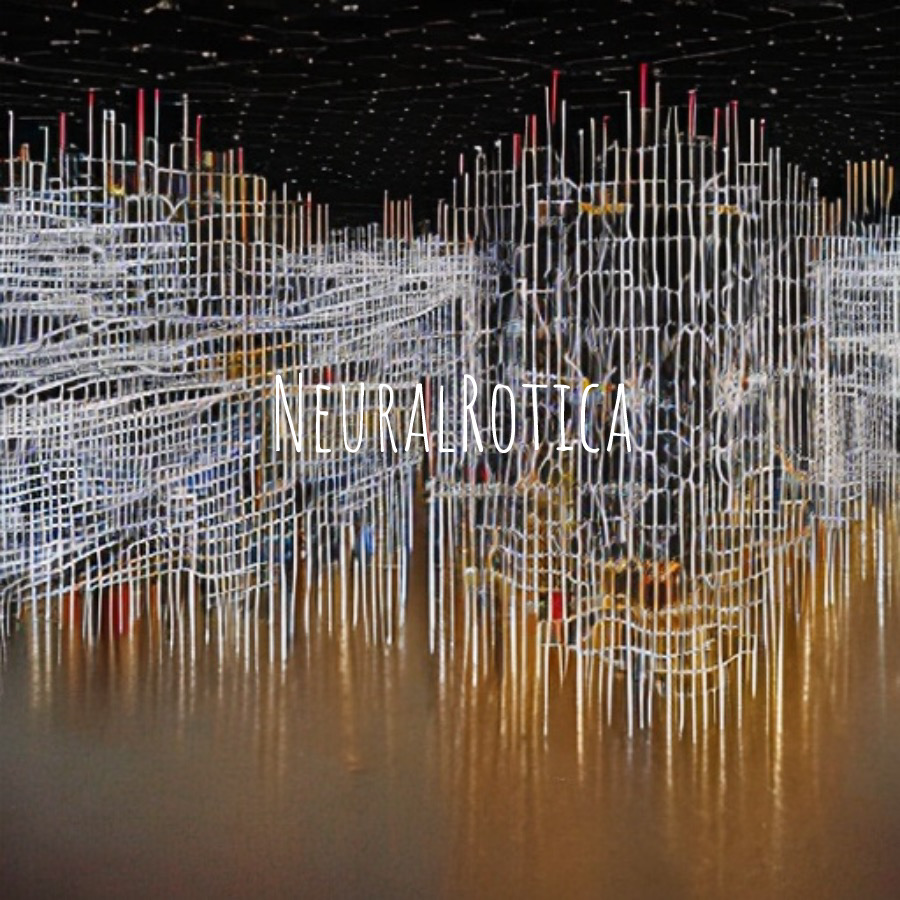
 NeuralRotica