In the vast expanse of human cognition, abstract thinking stands as a beacon of our intellectual prowess. It’s where mathematics, philosophy, and art converge, allowing us to transcend the concrete and venture into realms of possibility and imagination. However, this journey into the abstract isn’t without its risks. The very nature of abstract thought means that it can sometimes lead us astray, leaving us lost in a maze of our own making. This article delves into the experience of being lost in the abstract, exploring both the beauty and the bewilderment it entails.
The Allure of the Abstract
Abstract thinking involves contemplating ideas that are not tied to physical objects or specific experiences. It is the foundation of creativity and innovation, enabling us to envision new technologies, create art, and ponder existential questions. For many, the allure of abstract thought lies in its boundless nature. It allows for a level of freedom and exploration that concrete thinking simply cannot accommodate.
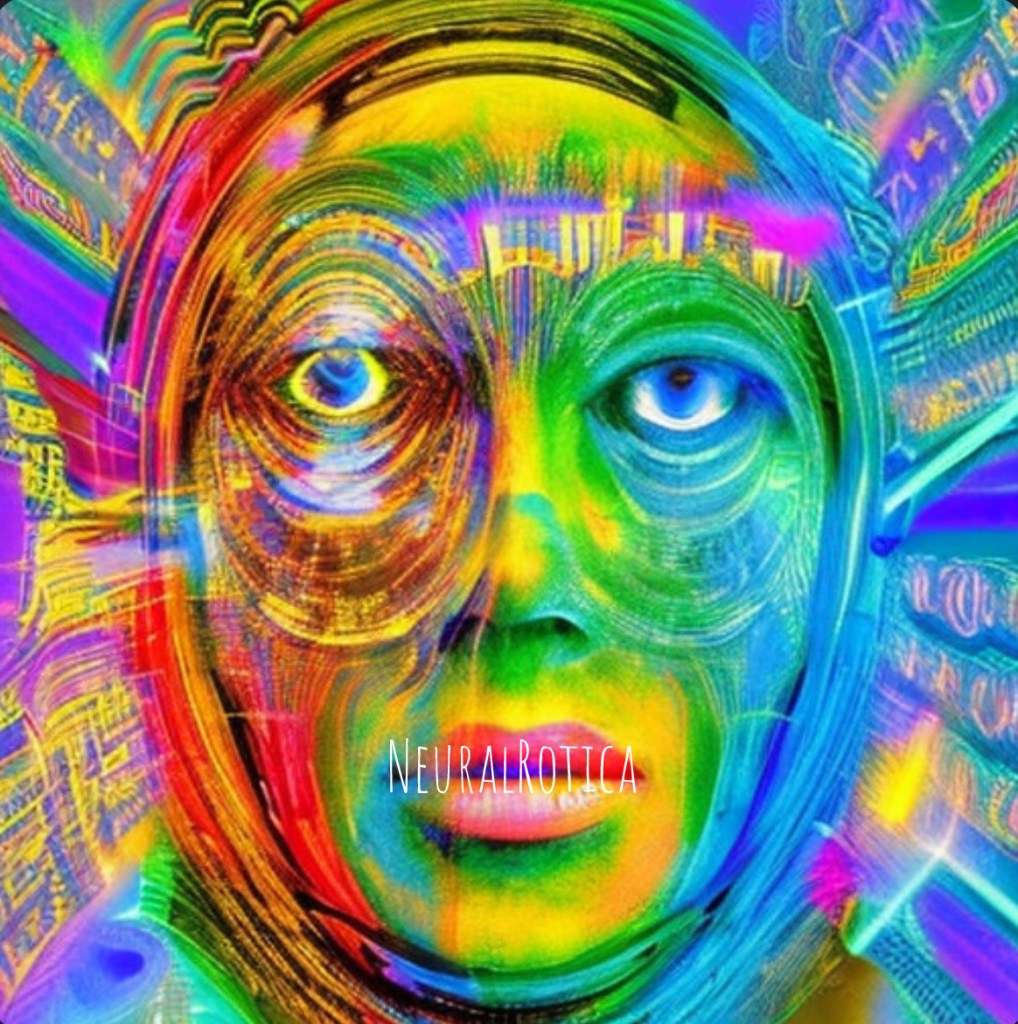
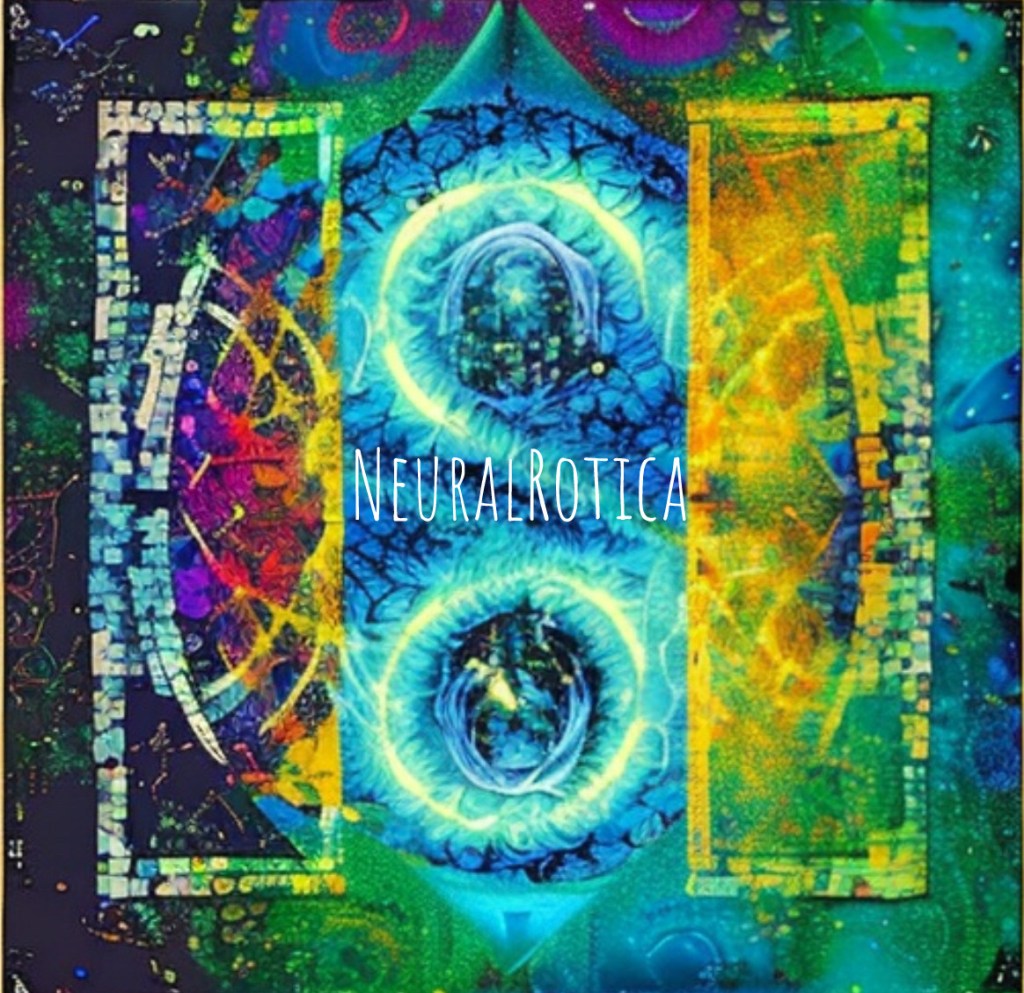
Consider the works of abstract artists like Wassily Kandinsky or Jackson Pollock. Their paintings, free from the constraints of realism, evoke emotions and thoughts that are unique to each viewer. Similarly, mathematicians work with abstract concepts like infinity and imaginary numbers, which have no physical counterparts but are essential in advancing our understanding of the universe.
The Perils of Abstraction
Yet, this freedom can also be disorienting. The abstract can be a labyrinthine space where clarity is often elusive. When one delves too deeply into abstract thought without a tether to reality, it can lead to confusion, frustration, and a sense of being lost.
Academics and philosophers often grapple with this. Theoretical frameworks and philosophical doctrines can become so complex and detached from everyday experience that they lose their practical relevance. The existentialist philosopher Jean-Paul Sartre famously described the feeling of “nausea” that arises from the realization of the absurdity and meaninglessness that can accompany deep abstract contemplation.
Finding Balance
Navigating the abstract requires a delicate balance. Here are some strategies to help maintain this equilibrium:
- Grounding Techniques: Regularly anchoring abstract thoughts to concrete examples can provide clarity. For instance, using real-world applications to explain mathematical theories or philosophical concepts can make them more comprehensible.
- Interdisciplinary Approach: Drawing connections between different fields can help ground abstract ideas. For example, using principles from psychology to understand abstract art or applying mathematical models to philosophical problems can provide new insights and keep thoughts grounded.
- Collaborative Thinking: Engaging with others can offer diverse perspectives and help prevent becoming lost in one’s own abstract thoughts. Discussion and debate encourage clarity and can bring new dimensions to abstract ideas.
- Mindfulness and Reflection: Taking time to reflect on one’s thoughts and feelings can help one navigate the abstract. Mindfulness practices can bring awareness to the present moment, providing a counterbalance to the often overwhelming nature of abstract thought.
The Beauty of Being Lost
While being lost in the abstract can be daunting, it also has its own beauty. It is in these moments of confusion and uncertainty that new ideas are born. The feeling of being lost can be a precursor to discovery, pushing us to explore uncharted territories of thought and imagination.
The abstract is where innovation thrives. It is where the quantum physicist contemplates the nature of reality, where the poet finds the words to express the inexpressible, and where the philosopher grapples with the fundamental questions of existence. Being lost in the abstract is not necessarily a state to be feared, but one to be embraced with curiosity and openness.
Closing Thought
In the end, being lost in abstract thought is an intrinsic part of the human experience. It reflects our innate desire to understand and create beyond the physical world. While it can be disorienting, it is also a testament to our intellectual and creative capabilities. By embracing the abstract with a balanced approach, we can navigate its complexities and uncover new realms of understanding and innovation.






 NeuralRotica