Repetition has long been branded the dim-witted sibling in the family of learning techniques. It’s often dismissed as the hallmark of those unable to grasp more sophisticated methods of mastering a skill or digesting information. However, this scornful view of repetition overlooks its profound utility and the complex cognitive dance it orchestrates. This essay ventures into the heart of repetition, arguing that what is commonly derided as “stuck on stupid” is, in fact, a sublime form of art—a testament to the resilience and adaptability of the human mind.
The term “stuck on stupid” typically evokes images of a hamster wheel – monotonous, unproductive, and mindlessly repetitive. It’s a phrase uttered with a mix of pity and disdain, aimed at those perceived to be making no progress despite their efforts. Yet, beneath this surface-level judgment lies a rich terrain of cognitive growth and creativity that repetition fosters.
Firstly, repetition is the bedrock of mastery. From the musician who practices scales daily to the mathematician who revisits complex equations, repetition is not a mere act of memory reinforcement but a deepening of understanding. Each iteration peels back a layer, revealing nuances and interconnections previously unnoticed. This is not stupidity; it’s a deliberate deep dive into the intricacies of a subject or skill, acknowledging that true mastery requires familiarity so intimate it can only be achieved through relentless revisitation.
Moreover, the art of repetition challenges the very notion of stupidity. It suggests that intelligence is not a static trait but a dynamic process. What begins as a struggle to retain basic facts or execute simple tasks evolves, through repetition, into a fluid and sophisticated command. This transformation underscores the adaptability of the human mind and its capacity to derive complex patterns and insights from what might initially appear mundane or simplistic.
Critics of repetition often fail to recognize its role in fostering creativity. The repetitive practice provides a stable foundation, freeing the mind to explore more inventive and abstract ideas. When the basics become second nature, mental resources can be allocated to thinking outside the box. Thus, artists, scientists, and thinkers throughout history have relied on the power of repetition not as a crutch but as a catapult into realms of innovation and discovery.
Furthermore, repetition as a learning strategy embodies a profound philosophical stance on failure and resilience. Each repetition is an acknowledgment of imperfection and a commitment to improvement. This relentless pursuit, far from being a sign of stupidity, is a courageous embrace of human fallibility and a testament to the enduring spirit of inquiry and growth.
The art of repetition is a nuanced and multifaceted practice that belies the simplistic and derogatory notion of being “stuck on stupid.” It is a testament to the complexity of learning, the depth of mastery, the genesis of creativity, and the resilience of the human spirit. Rather than a sign of intellectual deficiency, repetition is a sophisticated strategy that plays a crucial role in the pursuit of excellence and innovation. As such, it’s time to reevaluate and celebrate the art of repetition, recognizing it as an essential component of the complex tapestry of human learning and achievement.
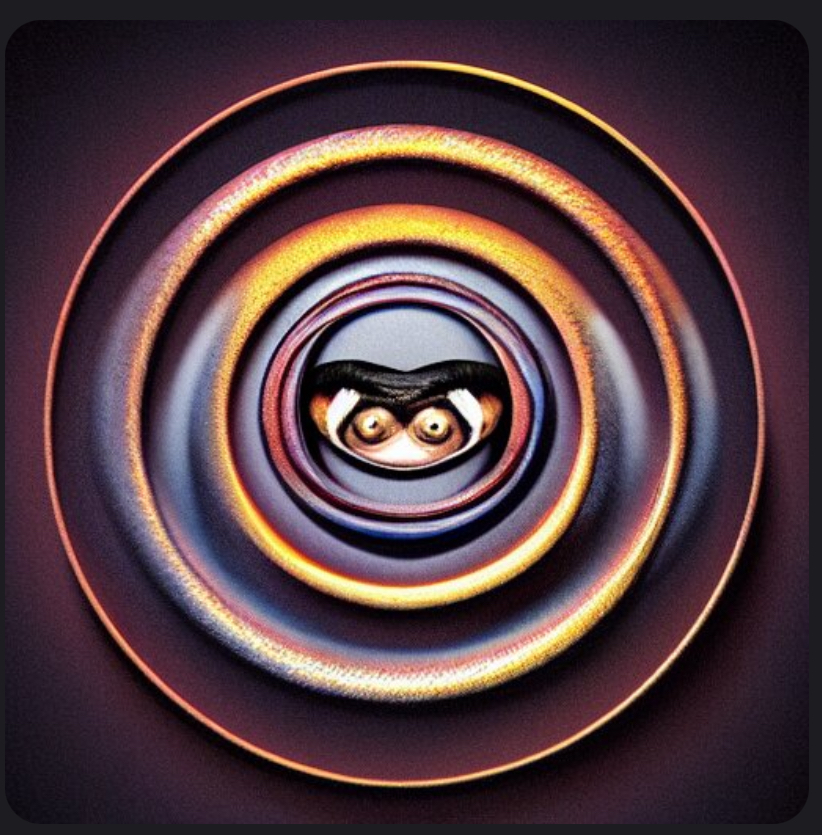
 NeuralRotica