The Complex Tapestry of Human Regression and the Quest for Simplicity
In an era marked by exponential technological advancement and a relentless pursuit of progress, the concept of human regression, juxtaposed with a yearning for simplicity, presents a paradox that warrants a nuanced exploration. This dichotomy between advancement and the inherent desire to return to simpler ways of living reveals a complex relationship between human development and the essence of happiness and fulfillment.
The Illusion of Progress
At the heart of modern civilization lies the belief that progress, defined by technological innovation, economic growth, and the accumulation of wealth, is inherently beneficial and the primary pathway to human happiness. This relentless pursuit often leads to a complexification of life, where individuals find themselves ensnared in a web of digital connectivity, consumerism, and a perpetual race against time. However, this progression, while yielding undeniable benefits in healthcare, communication, and overall efficiency, also brings about a sense of disconnection from the natural world and from the essence of human interaction that historically provided a sense of belonging and fulfillment.
The Art of Human Regression
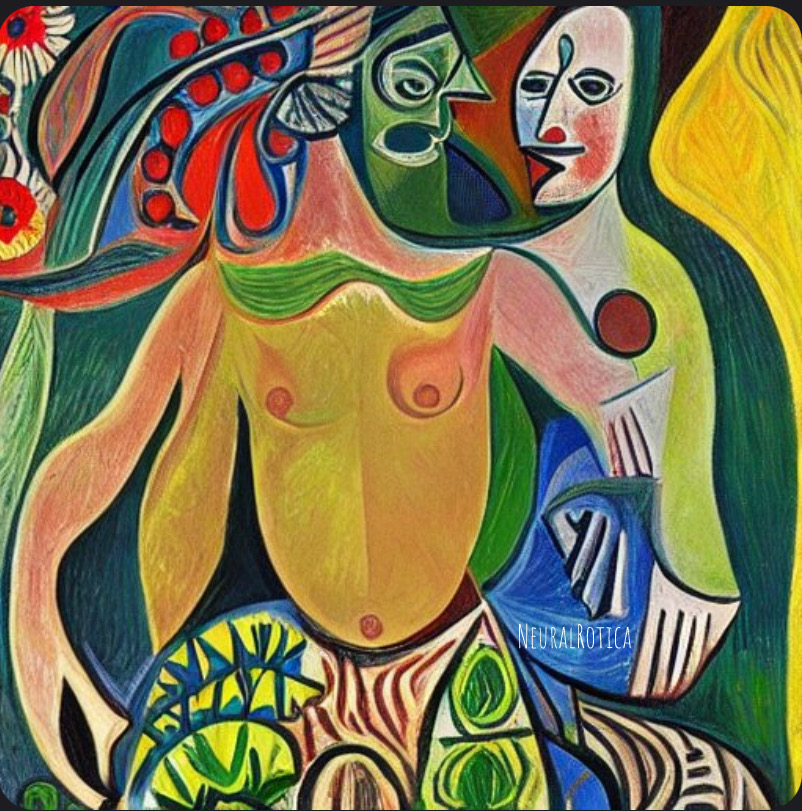
Human regression, in this context, does not refer to a backward movement in evolutionary terms but rather to a conscious decision to embrace aspects of a simpler life. It is an art that involves peeling away the layers of complexity that modern life imposes, to reveal a core of existence that prioritizes human connection, mindfulness, and a harmonious relationship with the natural world. This regression is not a rejection of progress but a selective embrace of simplicity in a complex world.
The Progress Away from Simplicity
As society advances, the simplicity of life recedes, often replaced by a complexity that can lead to stress, anxiety, and a sense of disconnection. The progress away from simplicity is marked by a shift from community-oriented living to individualism, from natural rhythms to technology-driven schedules, and from contentment in what one has to a constant striving for more. This shift, while it brings numerous advancements and conveniences, also carries the cost of losing touch with the very elements that once grounded human existence and provided a sense of peace and contentment.
The Balancing Act
The quest for simplicity in the face of relentless progress is a balancing act, requiring a conscious effort to integrate the benefits of modern life with the values and practices that embody a simpler existence. This includes adopting technologies that genuinely improve quality of life while resisting those that complicate or detract from it. It involves fostering community and connection in an increasingly individualistic world and finding contentment in simplicity rather than in the accumulation of material wealth.
Closing Thoughts
The art of human regression and the progress away from simplicity highlight a deep-seated need within the human psyche for balance, connection, and a sense of belonging. While the benefits of technological and economic progress are undeniable, they come with a trade-off that can lead to a disconnection from the essence of what it means to be human. As society continues to advance, the challenge lies in finding ways to integrate the benefits of this progress with a lifestyle that embraces the virtues of simplicity, fostering a world where technological advancement and human fulfillment can coexist harmoniously.

 NeuralRotica