Skip to content
    • About
    • Contact

NeuralRotica

  • The Enchanting World of Irish Art – A Journey Through Rich Cultural Heritage

    September 20th, 2023

    Irish art is a captivating tapestry woven with threads of ancient traditions, Celtic symbolism, and a deep reverence for nature. Rooted in a rich cultural heritage, Irish art has flourished over centuries, evolving and adapting to reflect the country’s unique spirit. From intricate Celtic designs to vibrant landscapes and poignant storytelling, Irish art offers a captivating glimpse into the soul of a nation. In this article, we will embark on a journey to explore the various facets of Irish art, its historical significance, notable artists, and the enduring allure it holds today.

    The Historical Significance of Irish Art

    Irish art finds its origins in prehistoric times, with the enigmatic stone carvings at Newgrange and the intricate metalwork of the Book of Kells serving as early testaments to the artistic prowess of the ancient Celts. These works, characterized by their intricate knotwork and mesmerizing patterns, laid the foundation for the distinctive style that would come to define Irish art.

    The Influence of Celtic Mythology and Nature

    One can hardly discuss Irish art without delving into the profound influence of Celtic mythology and the deep connection to nature. From the ancient legends of Cú Chulainn and the Tuatha Dé Danann to the mystical tales of fairies and leprechauns, Irish mythology has inspired countless artworks. Artists often incorporate symbolic elements such as spirals, crosses, and animal motifs into their creations, infusing them with a sense of mysticism and spiritual significance.

    Landscape and the Irish Identity

    The breathtaking landscapes of Ireland have long been a muse for artists. From the rugged cliffs of the Wild Atlantic Way to the serene beauty of the Irish countryside, the country’s natural scenery has captivated artists for generations. Painters like Paul Henry and Jack B. Yeats have immortalized the essence of the Irish landscape, capturing its unique light, colors, and atmosphere on canvas.

    The Revival of Irish Art

    The late 19th and early 20th centuries marked a significant period in Irish art history known as the Celtic Revival. During this time, artists sought to revive traditional Irish arts and crafts, drawing inspiration from ancient Celtic designs and folklore. Figures like Harry Clarke, known for his exquisite stained glass creations, and the poet and playwright W.B. Yeats played pivotal roles in this artistic renaissance, fostering a renewed appreciation for Irish cultural heritage.

    Contemporary Irish Art

    Irish art continues to evolve and thrive in the contemporary era. A new generation of artists has emerged, bringing fresh perspectives and innovative techniques to the forefront. From the vibrant abstract paintings of Sean Scully to the thought-provoking installations of Dorothy Cross, contemporary Irish artists push boundaries, challenge conventions, and explore diverse themes that reflect the complexities of modern Irish society.

    Preserving Irish Art for Future Generations

    Efforts to preserve and promote Irish art are ongoing. Institutions such as the Irish Museum of Modern Art (IMMA) and the National Gallery of Ireland showcase a diverse range of artworks, offering a platform for both established and emerging artists. Additionally, initiatives like the Irish Arts Council provide support and funding to nurture artistic talent and ensure the continued growth of the Irish art scene.

    Closing Thoughts

    Irish art is a testament to the enduring spirit, rich cultural heritage, and natural splendor of Ireland. From its ancient Celtic origins to the vibrant contemporary scene, Irish art continues to captivate and inspire. Whether through intricate Celtic designs, evocative landscapes, or thought-provoking contemporary works, Irish art reflects the heart and soul of a nation. It invites us to embark on a journey of exploration, unlocking the enchanting beauty and deep-rooted traditions that make Irish art truly extraordinary.

  • The Radiant Masterpiece – The Sun as Art

    September 19th, 2023

    The sun, our nearest star, has captivated humanity since time immemorial. Its brilliance, warmth, and life-giving energy have inspired countless artists, poets, and philosophers throughout history. But beyond its scientific significance, the sun possesses a unique artistic quality that transcends its astronomical nature. In this article, we explore the sun as art, delving into its mesmerizing beauty, its influence on artistic expression, and its symbolic significance in various cultures.

    The Beauty of Solar Spectacles

    One cannot help but be awestruck by the sun’s sheer beauty during rare celestial events such as solar eclipses or sunsets. The interplay of colors, the dramatic shifting of light, and the intricate patterns formed by sunspots and solar flares evoke a sense of wonder and provide a visual feast for the eyes. Artists have long been inspired by these celestial spectacles, attempting to capture their ephemeral nature on canvas, in photography, or through other creative mediums.

    Light and Shadows

    The sun’s radiant light has a profound impact on the world around us, creating mesmerizing interplays of light and shadows. From the dappled sunlight filtering through a forest canopy to the long shadows cast by buildings at sunset, artists have harnessed the transformative power of light to create evocative and captivating compositions. The interplay of light and shadows not only adds depth and dimension to artwork but also serves as a metaphorical representation of the interplay between darkness and enlightenment, hope and despair.

    Symbolic Significance

    The sun holds great symbolic significance in numerous cultures and mythologies. It has been revered as a deity, a source of life, and a symbol of power and vitality. From ancient Egyptian sun worship to the solar motifs in Aztec art, the sun has served as a central theme in artistic representations across civilizations. Its symbolism extends beyond religious contexts, often representing renewal, enlightenment, and the cycle of life and death. Artists have drawn upon these symbolic associations to infuse their works with deeper meaning and to evoke emotional responses from viewers.

    The Sun in Contemporary Art

    In contemporary art, the sun continues to inspire and challenge artists to explore new ways of representing its essence. Installations utilizing sunlight as a medium, such as James Turrell’s breathtaking “Skyspaces,” blur the boundaries between art and nature, inviting viewers to experience the sun’s transformative effects firsthand. Digital art, too, embraces the sun’s radiance, utilizing its vibrant hues and dynamic energy to create immersive and visually stunning experiences. The sun’s enduring presence in art serves as a testament to its timeless allure and its ability to inspire creativity across generations.

    Closing Thoughts

    The sun, with its breathtaking beauty, transformative light, and profound symbolism, stands as a remarkable subject and source of inspiration for artists throughout history. From ancient civilizations to contemporary art forms, the sun’s radiant presence has been celebrated, explored, and interpreted in countless ways. It is a testament to the enduring power of the sun as art that it continues to captivate our imagination and evoke emotional responses, reminding us of the profound connection between nature, creativity, and the human spirit.

  • Exploring the Cosmic Canvas – Art in the Galaxy

    September 19th, 2023

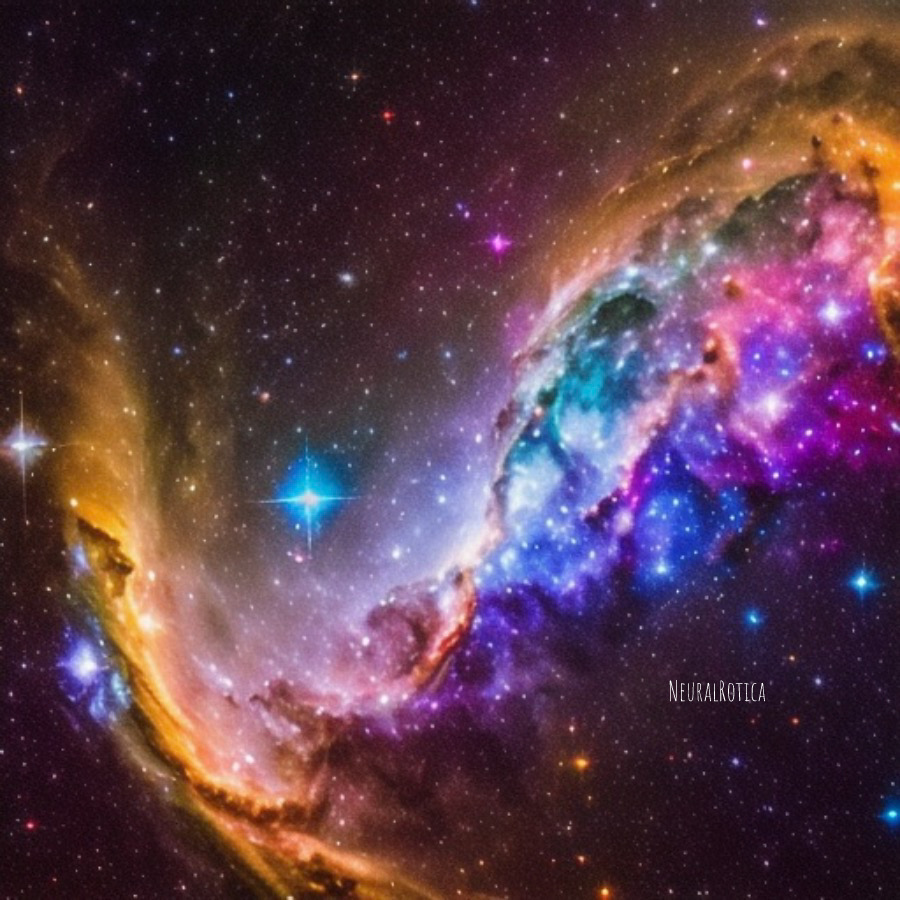
    The vast expanse of the galaxy has captivated humanity’s imagination for centuries. From the breathtaking beauty of swirling nebulae to the enigmatic depths of black holes, the cosmos offers an infinite source of inspiration for artists. In this article, we embark on a cosmic journey to discover the role of art in the galaxy, exploring the ways in which artists have captured the magnificence of the universe through various mediums.

    Celestial Brushstrokes: Painting the Cosmos

    Artists have long been fascinated by the cosmic wonders that adorn the night sky. Through painting, they attempt to capture the ethereal beauty of celestial bodies such as stars, galaxies, and nebulas. Whether it’s the vibrant hues of a distant galaxy or the delicate wisps of a nebula, artists employ their palettes to convey the awe-inspiring nature of the cosmos. Through their brushstrokes, they invite viewers to contemplate the vastness of space and our place within it.

    Sculpting the Stars: Cosmic Installations

    Art in the galaxy extends beyond traditional canvases, as artists push the boundaries of their craft by creating cosmic installations. These large-scale sculptures often incorporate elements such as light, sound, and technology to immerse viewers in an otherworldly experience. Inspired by astronomical phenomena, these installations transport audiences to the far reaches of the universe, provoking contemplation and a sense of wonder.

    Cosmic Photography: Capturing the Unseen

    Advancements in astrophotography have allowed artists to document the unseen wonders of the galaxy with unprecedented clarity. Through long-exposure techniques and sensitive equipment, photographers unveil the hidden beauty of celestial objects. From capturing the dance of the Northern Lights to revealing the intricate details of distant galaxies, these images serve as windows into the vast unknown, inspiring awe and igniting our curiosity about the cosmos.

    Interstellar Digital Art: Blending Technology and Imagination

    As technology continues to advance, artists have embraced the digital realm to create stunning works of art inspired by the galaxy. Digital art allows for the fusion of imagination and technology, enabling artists to craft vivid, immersive experiences. Through virtual reality, augmented reality, and digital animations, they transport viewers on cosmic journeys, providing a glimpse into unseen realms and pushing the boundaries of artistic expression.

    Artistic Exploration: Bridging Science and Creativity

    Art and science often intersect in the realm of the galaxy. Scientists and artists collaborate to bridge the gap between empirical knowledge and creative interpretation. The marriage of scientific data and artistic vision has resulted in captivating visualizations, where complex astronomical concepts are transformed into accessible and awe-inspiring works of art. These collaborations not only inspire wonder but also foster a deeper appreciation for the mysteries of the cosmos.

    Closing Thoughts

    Art in the galaxy serves as a bridge between the vastness of the cosmos and the human experience. Through various mediums, artists bring the wonders of the universe closer to our hearts and minds, evoking awe, curiosity, and contemplation. Whether it’s through painting, sculpture, photography, digital art, or interdisciplinary collaborations, art in the galaxy invites us to explore the unknown, expand our horizons, and appreciate the profound beauty of the cosmos that surrounds us.

    1. Unlocking the Irresistible Allure of Creativity

      September 19th, 2023

      In a world that thrives on innovation and originality, creativity has emerged as a captivating force, drawing individuals from all walks of life. From art and design to science and technology, the allure of creativity knows no bounds. It ignites our imagination, propels us towards new frontiers, and enriches our lives in countless ways. In this article, we will explore the inherent attractiveness of creativity and the profound impact it has on individuals and society as a whole.

      The Power of Self-Expression

      Creativity provides a unique channel for self-expression, enabling individuals to communicate their thoughts, emotions, and ideas in ways that transcend language barriers. Whether through painting, music, writing, or other artistic endeavors, the act of creating allows us to convey our innermost selves, fostering a deep sense of connection and understanding.

      Igniting Curiosity and Exploration

      Creativity acts as a catalyst for curiosity, inspiring us to question the status quo and explore uncharted territories. It encourages a mindset of continuous learning and innovation, propelling us to seek alternative solutions and challenge traditional norms. The allure of creativity lies in its ability to ignite the spark of curiosity within us, leading to groundbreaking discoveries and transformative breakthroughs.

      Fostering Personal Growth and Resilience

      Engaging in creative pursuits cultivates personal growth and resilience. It encourages individuals to embrace uncertainty, take risks, and face challenges head-on. The process of bringing ideas to life requires perseverance, adaptability, and problem-solving skills, all of which contribute to personal development. The attractiveness of creativity lies in its power to nurture resilience and empower individuals to overcome obstacles, both within their creative endeavors and in their lives as a whole.

      Connecting People and Cultures

      Creativity transcends geographical boundaries and cultural differences, acting as a universal language that brings people together. Art exhibitions, music festivals, and literary events serve as vibrant hubs where individuals from diverse backgrounds converge, celebrating the beauty of human imagination. The allure of creativity lies in its ability to bridge gaps, foster understanding, and cultivate empathy among individuals, fostering a sense of unity and shared humanity.

      Enhancing Problem-Solving and Innovation

      Creativity fuels innovation and problem-solving by encouraging individuals to think outside the box and find novel solutions. It enables us to approach challenges from various angles, combining disparate ideas to create something new and impactful. The attractiveness of creativity lies in its potential to revolutionize industries, drive technological advancements, and address complex societal issues.

      Closing Thoughts

        The magnetic appeal of creativity lies in its ability to captivate our hearts and minds, offering a multitude of benefits to individuals and society. Through self-expression, curiosity, personal growth, connection, and problem-solving, creativity enriches our lives, inspiring us to reach new heights and explore uncharted territories. So, let us embrace and nurture our creative instincts, for in doing so, we unlock the irrefutable allure of creativity and pave the way for a more vibrant, innovative, and interconnected world.

      1. Pollinating Your Own Flower – Nurturing Growth and Self-Discovery

        September 16th, 2023

        In the realm of nature’s wonders, we often find profound metaphors that offer insights into our own lives. One such allegory can be found in the act of pollinating one’s own flower. It symbolizes a journey of self-discovery, personal growth, and the inherent power within each of us to cultivate our own happiness and fulfillment. Let us explore this allegory and unravel the lessons it holds for us.

        The Seed of Potential

        Every flower begins as a tiny seed, holding immense potential within its core. Similarly, within each one of us lies a seed of potential, waiting to be nurtured and cultivated. This potential encompasses our dreams, aspirations, and unique talents. Just like a flower needs the right conditions to grow, we must create an environment conducive to our growth by embracing curiosity, self-belief, and a willingness to explore uncharted territories.

        Embracing Self-Pollination

        In the natural world, some flowers possess the remarkable ability to self-pollinate. This process allows them to reproduce and thrive without external assistance. Likewise, we must learn to embrace self-pollination in our lives by taking responsibility for our own growth and personal development. It involves introspection, self-reflection, and the courage to confront our fears and limitations.

        Recognizing Strengths & Weaknesses

        Self-pollination requires us to recognize our strengths and weaknesses, acknowledging the areas where we need to improve and grow. By embracing self-pollination, we empower ourselves to take charge of our own lives, making conscious choices that align with our values and aspirations.

          The Nourishment of Self-Care

          Just as flowers require essential nutrients, sunlight, and water to flourish, we too need to prioritize self-care to reach our full potential. Taking care of our physical, mental, and emotional well-being becomes the nourishment that fuels our growth. Engaging in activities that bring us joy, practicing mindfulness, and cultivating healthy habits become essential components of our self-care routine.

          Cultivating Resilience

          Flowers face various challenges in their journey, from harsh weather conditions to predators. Similarly, our lives present us with obstacles and setbacks. However, like a flower that bends with the wind but remains rooted, we must cultivate resilience. Resilience allows us to bounce back from adversity, adapt to change, and continue our journey of personal growth. It is through resilience that we find strength and the ability to transform challenges into opportunities for growth.

          Blooming into Authenticity

          The ultimate goal of pollinatingThe Allegory of Pollinating Your Own Flower: Nurturing Growth and Self-Discovery our own flower is to bloom into our authentic selves. Just as flowers showcase their vibrant colors and unique shapes, we too have the potential to radiate our true essence into the world. By embracing our passions, values, and embracing our individuality, we can create a life that aligns with our deepest desires. This authenticity not only brings personal fulfillment but also inspires and uplifts those around us.

          Closing Thoughts

          The allegory of pollinating your own flower reminds us of the inherent power within each of us to nurture our growth, embrace self-discovery, and bloom into our authentic selves. It encourages us to take ownership of our lives, prioritize self-care, and cultivate resilience to overcome challenges. By embracing this allegory, we embark on a transformative journey that brings us closer to our true potential, creating a life that is meaningful and fulfilling. So, let us embrace the beauty of self-pollination and embark on a journey of personal growth and self-discovery.

          1. The Inevitable Futility of Knowledge Without Action

            September 16th, 2023

            In today’s information-driven world, knowledge is easily accessible at our fingertips. We have access to a vast reservoir of information that can enlighten and empower us. However, knowledge alone, without the application of action, often leads to a futile endeavor. In this article, we will delve into the reasons why knowledge without action can be an exercise in futility.

            Knowledge as Potential

            Knowledge holds immense potential, but it remains dormant until put into action. It is like a seed that requires nurturing, care, and proactive steps to grow. Without action, knowledge remains stagnant, devoid of any real-world impact.

            Bridging the Gap

            The true value of knowledge lies in its ability to bridge the gap between theory and practice. It is through action that knowledge finds its purpose and transforms from abstract concepts to tangible results. Without taking action, knowledge remains inconsequential, confined within the boundaries of the mind.

            The Illusion of Progress

            Acquiring knowledge without acting upon it can create an illusion of progress. It may make us feel more informed or intelligent, but without applying that knowledge, it becomes superficial. True progress is achieved when knowledge is translated into action, leading to tangible outcomes and personal growth.

            Learning through Experience

            Action is a catalyst for learning and personal development. It is through experiential learning that knowledge becomes deeply ingrained within us. Without taking action, we miss out on the valuable lessons that can only be gained through firsthand experiences. By applying knowledge, we gain insights, make mistakes, and refine our understanding.

            Overcoming Fear and Resistance

            Taking action requires courage, determination, and the willingness to face challenges. Knowledge without action can often be an excuse to avoid confronting our fears and resistance. By stepping out of our comfort zones and applying what we know, we break free from the cycle of inaction and unlock new possibilities.

            Impact and Influence

            Knowledge, when wielded with action, has the power to create a meaningful impact and influence others. It is through our actions that we inspire, motivate, and effect positive change in the world. Without action, knowledge remains confined within ourselves, unable to create ripples of transformation in society.

            Closing Thoughts

            Knowledge is undoubtedly valuable, but its true worth lies in the actions it inspires. Without action, knowledge becomes a mere intellectual exercise, lacking the potential to make a genuine difference. Embracing action as a companion to knowledge allows us to cultivate personal growth, learn from experiences, and create a lasting impact. So let us not fall into the trap of accumulating knowledge without taking action, for it is in the application of knowledge that its true power is revealed.

            1. Exploring the Cross Section of Art and Philosophy – A Journey of Meaning and Expression

              September 15th, 2023

              Art and philosophy, two distinct realms of human expression, have long captivated the minds of thinkers, creators, and enthusiasts alike. While art appeals to our senses, emotions, and imagination, philosophy seeks to unravel the fundamental questions of existence, truth, and morality. In this article, we embark on a fascinating journey to explore the cross section where art and philosophy converge, examining how they influence and complement each other, shaping our understanding of the world and our place within it.

              Art as a Philosophical Expression

              Art is a Exploring the Cross Section of Art and Philosophy: A Journey of Meaning and Expression potent medium through which philosophical ideas and concepts find profound expression. Artists throughout history have used their works to explore and communicate complex philosophical notions. From the Renaissance masterpieces that reflect humanism to the abstract art movements of the 20th century questioning reality, art serves as a visual and sensory conduit for philosophical contemplation.

              The Aesthetic Experience

              The aesthetic experience lies at the heart of both art and philosophy. Aesthetics, a branch of philosophy, delves into the nature of beauty, perception, and the sublime. Art, with its ability to evoke emotions, challenge conventions, and provoke thought, engages us in a profound aesthetic encounter. Through this encounter, we are prompted to reflect on the nature of beauty, the role of art in society, and our subjective interpretations of the world.

              Art as a Mirror of Society

              Art has often mirrored society’s philosophical underpinnings, reflecting the prevailing ideas, values, and concerns of a particular era. From the political and social commentaries of artists like Francisco Goya to the introspective explorations of personal identity by Frida Kahlo, art serves as a powerful vehicle to challenge, critique, and shape societal philosophies.

              Philosophy as Inspiration for Artistic Creation

              Philosophical ideas, theories, and inquiries have provided artists with fertile ground for inspiration. Concepts such as existentialism, metaphysics, and ethics have fueled artistic movements and shaped the creative process. Artists like Salvador Dalí, René Magritte, and Wassily Kandinsky drew upon philosophical concepts to create visually stunning works that invite viewers to contemplate the nature of reality, consciousness, and the human condition.

              Art and the Quest for Meaning

              Philosophy and art share a common quest for meaning. Both disciplines seek to unravel the mysteries of existence, the nature of truth, and the purpose of life. Through art, individuals can engage with philosophical questions on a personal and emotional level, transcending traditional intellectual discourse. Artistic expression can provide solace, provoke introspection, and offer a glimpse into the profound depths of human experience.

              Closing Thoughts

              The cross section of art and philosophy represents a rich tapestry of intellectual and creative exploration. Artists and philosophers have long engaged in a dynamic dialogue, drawing inspiration from each other and influencing the course of human thought. Through art, we find a visual manifestation of philosophical ideas, while philosophy provides a framework for deeper understanding and interpretation of artistic expression. Together, art and philosophy invite us to contemplate life’s most profound questions, transcending the boundaries of language and logic to explore the depths of the human experience.

              1. The Synergism of Art – A Path to Avoiding War and Promoting Peace

                September 15th, 2023

                In a world often marred by conflicts and strife, the power of art to transcend boundaries and foster understanding is more important than ever before. Art has the unique ability to evoke emotions, challenge perspectives, and bridge cultural divides. By embracing art and its transformative potential, societies can create a harmonious environment that nurtures peace and unity, thus avoiding the devastating consequences of war. This article explores the profound synergism between art and peacebuilding, highlighting how artistic expression can contribute to conflict prevention, resolution, and reconciliation.

                Art as a Catalyst for Dialogue

                Art serves as a universal language that transcends spoken words and cultural differences. Through various mediums such as visual arts, music, dance, and literature, artists can initiate meaningful conversations about sensitive topics, facilitating dialogue and understanding. By encouraging open discussions and addressing underlying tensions, art can help prevent conflicts from escalating into full-blown wars.

                Challenging Stereotypes and Fostering Empathy

                Art has the power to challenge preconceived notions and foster empathy among diverse communities. By portraying different perspectives and experiences, artists can humanize “the other” and break down stereotypes. Artistic expressions that emphasize our shared humanity promote understanding, empathy, and compassion, paving the way for peaceful coexistence.

                Healing and Reconciliation through Art

                In the aftermath of conflicts, art plays a vital role in the healing and reconciliation process. Artistic endeavors, such as community murals, theater performances, and storytelling, provide spaces for individuals to share their narratives, express emotions, and find common ground. By acknowledging past grievances and embracing the power of forgiveness, art can facilitate the rebuilding of trust and promote lasting peace.

                Art as a Tool for Advocacy and Social Change

                Art has historically been a powerful tool for social and political advocacy. Artists have used their creativity to shed light on injustices, advocate for human rights, and critique oppressive systems. By raising awareness and sparking public discourse, art can influence policy, challenge oppressive regimes, and promote diplomacy as an alternative to armed conflicts.

                Education and Art: Nurturing Peaceful Minds

                Integrating arts education into curricula can cultivate a generation that values creativity, critical thinking, and peaceful coexistence. By providing young minds with the opportunity to explore their artistic abilities, schools can foster a sense of empathy, tolerance, and respect for diversity. Art education equips students with the skills to express themselves peacefully, resolve conflicts constructively, and envision a world free from violence.

                Closing Thoughts

                Art possesses a remarkable capacity to transcend borders, ignite dialogue, and inspire positive change. By harnessing the synergism between art and peace, societies can avoid the destructive path of war. Embracing art as a means of conflict prevention, resolution, and reconciliation allows us to build bridges, challenge prejudices, and foster empathy. Let us recognize and celebrate the transformative power of art, weaving it into the fabric of our societies to create a world where peace thrives, and the ravages of war become a distant memory.

                1. The Fragile Short-Term Memory of Ungrateful Individuals – A Reflection on Gratitude

                  September 13th, 2023

                  In our daily lives, we often encounter people who seem to possess a remarkable ability to forget the kindness and generosity shown to them. These ungrateful individuals exhibit a peculiar characteristic: a short-term memory that selectively erases any recollection of the support they have received. In this article, we delve into the intriguing phenomenon of the short-term memory of ungrateful people, exploring possible reasons behind their behavior and its impact on interpersonal relationships.

                  The Nature of Ungratefulness

                  Ungratefulness can manifest in various forms, from failing to express gratitude for a favor to actively disregarding the efforts made on their behalf. It is important to note that ungratefulness does not necessarily equate to malice, but it often stems from a lack of appreciation or a sense of entitlement. Ungrateful individuals tend to prioritize their own needs and desires, often neglecting the contributions of others.

                  The Selective Memory Effect

                  One of the most perplexing aspects of ungratefulness is the seemingly selective memory that accompanies it. Ungrateful individuals conveniently forget acts of kindness, support, or sacrifices made on their behalf. They may remember negative experiences or perceive slights from others more vividly, while conveniently omitting the positive contributions. This selective memory bias leads to a distorted perception of reality, where their own needs and desires are prioritized, and the efforts of others are diminished or dismissed.

                  Psychological Factors

                  Several psychological factors may contribute to the short-term memory of ungrateful people. One potential explanation is a self-centered mindset that prioritizes personal interests above all else. This self-focus prevents them from fully appreciating the impact of others’ actions. Additionally, ungratefulness may be rooted in a sense of entitlement, where individuals come to expect assistance without considering the effort behind it. This entitlement can blind them to the value of the support they receive, leading to their forgetfulness.

                  Impact on Relationships

                  The short-term memory of ungrateful individuals can strain interpersonal relationships. Whether it is within families, friendships, or professional settings, the lack of acknowledgment and gratitude can create resentment and diminish trust. The efforts made to support and uplift these individuals can gradually diminish, as others become disillusioned by their consistent lack of appreciation. Over time, this may lead to strained or broken relationships.

                  Cultivating Gratitude

                  Addressing ungratefulness requires a collective effort, both on the part of the ungrateful individuals themselves and those around them. Encouraging self-reflection and empathy can help ungrateful individuals recognize the value of gratitude and the impact of their selective memory. Practicing gratitude exercises, such as keeping a gratitude journal or expressing appreciation regularly, can also be beneficial in cultivating a more grateful mindset.

                  Closing Thoughts

                  The short-term memory of ungrateful individuals poses a challenge in interpersonal relationships. Understanding the psychological factors that contribute to ungratefulness is crucial in addressing this issue effectively. By fostering a culture of gratitude and encouraging self-reflection, we can help ungrateful individuals develop a greater appreciation for the efforts of others and strengthen the foundations of our relationships. Remember, gratitude has the power to transform lives, both for those who express it and those who receive it.

                2. Celebrating the Beauty of Art and Staying True to Yourself

                  September 13th, 2023

                  Art, in its myriad forms, has the remarkable ability to captivate, inspire, and provoke emotions within us. From paintings to sculptures, music to dance, literature to film, art has the power to transcend boundaries and connect us on a profound level. In this article, we delve into the notion that all art is beautiful and explore the importance of staying true to oneself in the creative process.

                  The Beauty of Art

                  Artistic expression is a reflection of the human experience, encompassing a vast spectrum of thoughts, emotions, and perspectives. Every piece of art, regardless of its style or medium, carries its unique essence and beauty. Whether it evokes joy, sadness, contemplation, or awe, art has the capacity to touch our souls and resonate with our innermost selves. It is the diversity of art that enriches our lives and allows us to explore the multitude of perspectives that exist in the world.

                  Art as a Mirror

                  Art serves as a mirror, reflecting the artist’s perception of the world and their personal experiences. Every artist brings their own unique voice and vision to their creations, resulting in a rich tapestry of artistic expression. In this process, artists often delve deep into their own emotions, beliefs, and values, allowing their authenticity to shine through. When artists stay true to themselves, their art becomes a genuine reflection of their identity, offering a raw and honest portrayal of their thoughts and feelings.

                  Rejecting Conformity

                  In a world where conformity often prevails, staying true to oneself is an act of courage and authenticity. Artists, in their pursuit of creative expression, face the challenge of staying true to their vision, even in the face of societal expectations or trends. It is through this steadfast commitment to their individuality that artists are able to create works that are truly representative of their unique perspectives. By rejecting the pressure to conform, artists embrace their own artistic journey, allowing their creations to blossom with honesty and integrity.

                  Embracing Imperfections

                  Artistic beauty lies not only in perfection but also in imperfection. It is through the flaws and imperfections that we find the true essence of art. Artists who embrace their imperfections, who allow their vulnerabilities to shine through, create works that are authentic and relatable. These imperfections make the art more human, inviting viewers to connect with the piece on a deeper level. By staying true to themselves, artists embrace the imperfections and use them as a means to express their individuality.

                  Closing Thoughts

                  Art is a celebration of the human spirit, a testament to our creativity and capacity for self-expression. In a world that often seeks to categorize and define beauty, it is essential to remember that all art is beautiful in its own way. By staying true to oneself, artists not only honor their own authenticity but also pave the way for others to embrace their unique voices. Let us celebrate the diversity of art and encourage the pursuit of creative expression, for it is through these acts that we can truly appreciate the beauty that lies within us all.

                ←Previous Page
                1 … 30 31 32 33 34 … 40
                Next Page→

                Blog at WordPress.com.

                Loading Comments...

                  • Subscribe Subscribed
                    • NeuralRotica
                    • Join 43 other subscribers
                    • Already have a WordPress.com account? Log in now.
                    • NeuralRotica
                    • Subscribe Subscribed
                    • Sign up
                    • Log in
                    • Report this content
                    • View site in Reader
                    • Manage subscriptions
                    • Collapse this bar