Skip to content
    • About
    • Contact

NeuralRotica

  • Pollinating Your Own Flower – Nurturing Growth and Self-Discovery

    September 16th, 2023

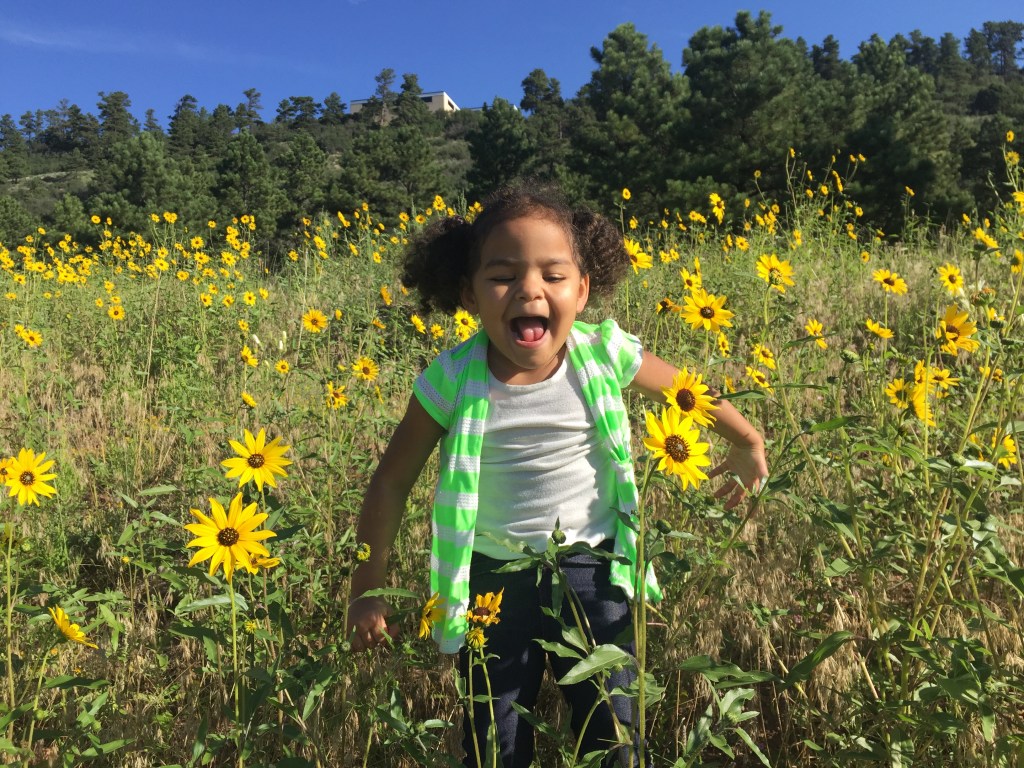
    In the realm of nature’s wonders, we often find profound metaphors that offer insights into our own lives. One such allegory can be found in the act of pollinating one’s own flower. It symbolizes a journey of self-discovery, personal growth, and the inherent power within each of us to cultivate our own happiness and fulfillment. Let us explore this allegory and unravel the lessons it holds for us.

    The Seed of Potential

    Every flower begins as a tiny seed, holding immense potential within its core. Similarly, within each one of us lies a seed of potential, waiting to be nurtured and cultivated. This potential encompasses our dreams, aspirations, and unique talents. Just like a flower needs the right conditions to grow, we must create an environment conducive to our growth by embracing curiosity, self-belief, and a willingness to explore uncharted territories.

    Embracing Self-Pollination

    In the natural world, some flowers possess the remarkable ability to self-pollinate. This process allows them to reproduce and thrive without external assistance. Likewise, we must learn to embrace self-pollination in our lives by taking responsibility for our own growth and personal development. It involves introspection, self-reflection, and the courage to confront our fears and limitations.

    Recognizing Strengths & Weaknesses

    Self-pollination requires us to recognize our strengths and weaknesses, acknowledging the areas where we need to improve and grow. By embracing self-pollination, we empower ourselves to take charge of our own lives, making conscious choices that align with our values and aspirations.

      The Nourishment of Self-Care

      Just as flowers require essential nutrients, sunlight, and water to flourish, we too need to prioritize self-care to reach our full potential. Taking care of our physical, mental, and emotional well-being becomes the nourishment that fuels our growth. Engaging in activities that bring us joy, practicing mindfulness, and cultivating healthy habits become essential components of our self-care routine.

      Cultivating Resilience

      Flowers face various challenges in their journey, from harsh weather conditions to predators. Similarly, our lives present us with obstacles and setbacks. However, like a flower that bends with the wind but remains rooted, we must cultivate resilience. Resilience allows us to bounce back from adversity, adapt to change, and continue our journey of personal growth. It is through resilience that we find strength and the ability to transform challenges into opportunities for growth.

      Blooming into Authenticity

      The ultimate goal of pollinatingThe Allegory of Pollinating Your Own Flower: Nurturing Growth and Self-Discovery our own flower is to bloom into our authentic selves. Just as flowers showcase their vibrant colors and unique shapes, we too have the potential to radiate our true essence into the world. By embracing our passions, values, and embracing our individuality, we can create a life that aligns with our deepest desires. This authenticity not only brings personal fulfillment but also inspires and uplifts those around us.
      Closing Thoughts

      The allegory of pollinating your own flower reminds us of the inherent power within each of us to nurture our growth, embrace self-discovery, and bloom into our authentic selves. It encourages us to take ownership of our lives, prioritize self-care, and cultivate resilience to overcome challenges. By embracing this allegory, we embark on a transformative journey that brings us closer to our true potential, creating a life that is meaningful and fulfilling. So, let us embrace the beauty of self-pollination and embark on a journey of personal growth and self-discovery.


      1. The Inevitable Futility of Knowledge Without Action

        September 16th, 2023

        In today’s information-driven world, knowledge is easily accessible at our fingertips. We have access to a vast reservoir of information that can enlighten and empower us. However, knowledge alone, without the application of action, often leads to a futile endeavor. In this article, we will delve into the reasons why knowledge without action can be an exercise in futility.

        Knowledge as Potential

        Knowledge holds immense potential, but it remains dormant until put into action. It is like a seed that requires nurturing, care, and proactive steps to grow. Without action, knowledge remains stagnant, devoid of any real-world impact.

        Bridging the Gap

        The true value of knowledge lies in its ability to bridge the gap between theory and practice. It is through action that knowledge finds its purpose and transforms from abstract concepts to tangible results. Without taking action, knowledge remains inconsequential, confined within the boundaries of the mind.

        The Illusion of Progress

        Acquiring knowledge without acting upon it can create an illusion of progress. It may make us feel more informed or intelligent, but without applying that knowledge, it becomes superficial. True progress is achieved when knowledge is translated into action, leading to tangible outcomes and personal growth.

        Learning through Experience

        Action is a catalyst for learning and personal development. It is through experiential learning that knowledge becomes deeply ingrained within us. Without taking action, we miss out on the valuable lessons that can only be gained through firsthand experiences. By applying knowledge, we gain insights, make mistakes, and refine our understanding.

        Overcoming Fear and Resistance

        Taking action requires courage, determination, and the willingness to face challenges. Knowledge without action can often be an excuse to avoid confronting our fears and resistance. By stepping out of our comfort zones and applying what we know, we break free from the cycle of inaction and unlock new possibilities.

        Impact and Influence

        Knowledge, when wielded with action, has the power to create a meaningful impact and influence others. It is through our actions that we inspire, motivate, and effect positive change in the world. Without action, knowledge remains confined within ourselves, unable to create ripples of transformation in society.

        Closing Thoughts

        Knowledge is undoubtedly valuable, but its true worth lies in the actions it inspires. Without action, knowledge becomes a mere intellectual exercise, lacking the potential to make a genuine difference. Embracing action as a companion to knowledge allows us to cultivate personal growth, learn from experiences, and create a lasting impact. So let us not fall into the trap of accumulating knowledge without taking action, for it is in the application of knowledge that its true power is revealed.

        1. Exploring the Cross Section of Art and Philosophy – A Journey of Meaning and Expression

          September 15th, 2023

          Art and philosophy, two distinct realms of human expression, have long captivated the minds of thinkers, creators, and enthusiasts alike. While art appeals to our senses, emotions, and imagination, philosophy seeks to unravel the fundamental questions of existence, truth, and morality. In this article, we embark on a fascinating journey to explore the cross section where art and philosophy converge, examining how they influence and complement each other, shaping our understanding of the world and our place within it.

          Art as a Philosophical Expression

          Art is a Exploring the Cross Section of Art and Philosophy: A Journey of Meaning and Expression potent medium through which philosophical ideas and concepts find profound expression. Artists throughout history have used their works to explore and communicate complex philosophical notions. From the Renaissance masterpieces that reflect humanism to the abstract art movements of the 20th century questioning reality, art serves as a visual and sensory conduit for philosophical contemplation.

          The Aesthetic Experience

          The aesthetic experience lies at the heart of both art and philosophy. Aesthetics, a branch of philosophy, delves into the nature of beauty, perception, and the sublime. Art, with its ability to evoke emotions, challenge conventions, and provoke thought, engages us in a profound aesthetic encounter. Through this encounter, we are prompted to reflect on the nature of beauty, the role of art in society, and our subjective interpretations of the world.

          Art as a Mirror of Society

          Art has often mirrored society’s philosophical underpinnings, reflecting the prevailing ideas, values, and concerns of a particular era. From the political and social commentaries of artists like Francisco Goya to the introspective explorations of personal identity by Frida Kahlo, art serves as a powerful vehicle to challenge, critique, and shape societal philosophies.

          Philosophy as Inspiration for Artistic Creation

          Philosophical ideas, theories, and inquiries have provided artists with fertile ground for inspiration. Concepts such as existentialism, metaphysics, and ethics have fueled artistic movements and shaped the creative process. Artists like Salvador Dalí, René Magritte, and Wassily Kandinsky drew upon philosophical concepts to create visually stunning works that invite viewers to contemplate the nature of reality, consciousness, and the human condition.

          Art and the Quest for Meaning

          Philosophy and art share a common quest for meaning. Both disciplines seek to unravel the mysteries of existence, the nature of truth, and the purpose of life. Through art, individuals can engage with philosophical questions on a personal and emotional level, transcending traditional intellectual discourse. Artistic expression can provide solace, provoke introspection, and offer a glimpse into the profound depths of human experience.

          Closing Thoughts

          The cross section of art and philosophy represents a rich tapestry of intellectual and creative exploration. Artists and philosophers have long engaged in a dynamic dialogue, drawing inspiration from each other and influencing the course of human thought. Through art, we find a visual manifestation of philosophical ideas, while philosophy provides a framework for deeper understanding and interpretation of artistic expression. Together, art and philosophy invite us to contemplate life’s most profound questions, transcending the boundaries of language and logic to explore the depths of the human experience.

          1. The Synergism of Art – A Path to Avoiding War and Promoting Peace

            September 15th, 2023

            In a world often marred by conflicts and strife, the power of art to transcend boundaries and foster understanding is more important than ever before. Art has the unique ability to evoke emotions, challenge perspectives, and bridge cultural divides. By embracing art and its transformative potential, societies can create a harmonious environment that nurtures peace and unity, thus avoiding the devastating consequences of war. This article explores the profound synergism between art and peacebuilding, highlighting how artistic expression can contribute to conflict prevention, resolution, and reconciliation.

            Art as a Catalyst for Dialogue

            Art serves as a universal language that transcends spoken words and cultural differences. Through various mediums such as visual arts, music, dance, and literature, artists can initiate meaningful conversations about sensitive topics, facilitating dialogue and understanding. By encouraging open discussions and addressing underlying tensions, art can help prevent conflicts from escalating into full-blown wars.

            Challenging Stereotypes and Fostering Empathy

            Art has the power to challenge preconceived notions and foster empathy among diverse communities. By portraying different perspectives and experiences, artists can humanize “the other” and break down stereotypes. Artistic expressions that emphasize our shared humanity promote understanding, empathy, and compassion, paving the way for peaceful coexistence.

            Healing and Reconciliation through Art

            In the aftermath of conflicts, art plays a vital role in the healing and reconciliation process. Artistic endeavors, such as community murals, theater performances, and storytelling, provide spaces for individuals to share their narratives, express emotions, and find common ground. By acknowledging past grievances and embracing the power of forgiveness, art can facilitate the rebuilding of trust and promote lasting peace.

            Art as a Tool for Advocacy and Social Change

            Art has historically been a powerful tool for social and political advocacy. Artists have used their creativity to shed light on injustices, advocate for human rights, and critique oppressive systems. By raising awareness and sparking public discourse, art can influence policy, challenge oppressive regimes, and promote diplomacy as an alternative to armed conflicts.

            Education and Art: Nurturing Peaceful Minds

            Integrating arts education into curricula can cultivate a generation that values creativity, critical thinking, and peaceful coexistence. By providing young minds with the opportunity to explore their artistic abilities, schools can foster a sense of empathy, tolerance, and respect for diversity. Art education equips students with the skills to express themselves peacefully, resolve conflicts constructively, and envision a world free from violence.

            Closing Thoughts

            Art possesses a remarkable capacity to transcend borders, ignite dialogue, and inspire positive change. By harnessing the synergism between art and peace, societies can avoid the destructive path of war. Embracing art as a means of conflict prevention, resolution, and reconciliation allows us to build bridges, challenge prejudices, and foster empathy. Let us recognize and celebrate the transformative power of art, weaving it into the fabric of our societies to create a world where peace thrives, and the ravages of war become a distant memory.

            1. The Fragile Short-Term Memory of Ungrateful Individuals – A Reflection on Gratitude

              September 13th, 2023

              In our daily lives, we often encounter people who seem to possess a remarkable ability to forget the kindness and generosity shown to them. These ungrateful individuals exhibit a peculiar characteristic: a short-term memory that selectively erases any recollection of the support they have received. In this article, we delve into the intriguing phenomenon of the short-term memory of ungrateful people, exploring possible reasons behind their behavior and its impact on interpersonal relationships.

              The Nature of Ungratefulness

              Ungratefulness can manifest in various forms, from failing to express gratitude for a favor to actively disregarding the efforts made on their behalf. It is important to note that ungratefulness does not necessarily equate to malice, but it often stems from a lack of appreciation or a sense of entitlement. Ungrateful individuals tend to prioritize their own needs and desires, often neglecting the contributions of others.

              The Selective Memory Effect

              One of the most perplexing aspects of ungratefulness is the seemingly selective memory that accompanies it. Ungrateful individuals conveniently forget acts of kindness, support, or sacrifices made on their behalf. They may remember negative experiences or perceive slights from others more vividly, while conveniently omitting the positive contributions. This selective memory bias leads to a distorted perception of reality, where their own needs and desires are prioritized, and the efforts of others are diminished or dismissed.

              Psychological Factors

              Several psychological factors may contribute to the short-term memory of ungrateful people. One potential explanation is a self-centered mindset that prioritizes personal interests above all else. This self-focus prevents them from fully appreciating the impact of others’ actions. Additionally, ungratefulness may be rooted in a sense of entitlement, where individuals come to expect assistance without considering the effort behind it. This entitlement can blind them to the value of the support they receive, leading to their forgetfulness.

              Impact on Relationships

              The short-term memory of ungrateful individuals can strain interpersonal relationships. Whether it is within families, friendships, or professional settings, the lack of acknowledgment and gratitude can create resentment and diminish trust. The efforts made to support and uplift these individuals can gradually diminish, as others become disillusioned by their consistent lack of appreciation. Over time, this may lead to strained or broken relationships.

              Cultivating Gratitude

              Addressing ungratefulness requires a collective effort, both on the part of the ungrateful individuals themselves and those around them. Encouraging self-reflection and empathy can help ungrateful individuals recognize the value of gratitude and the impact of their selective memory. Practicing gratitude exercises, such as keeping a gratitude journal or expressing appreciation regularly, can also be beneficial in cultivating a more grateful mindset.

              Closing Thoughts

              The short-term memory of ungrateful individuals poses a challenge in interpersonal relationships. Understanding the psychological factors that contribute to ungratefulness is crucial in addressing this issue effectively. By fostering a culture of gratitude and encouraging self-reflection, we can help ungrateful individuals develop a greater appreciation for the efforts of others and strengthen the foundations of our relationships. Remember, gratitude has the power to transform lives, both for those who express it and those who receive it.

            2. Celebrating the Beauty of Art and Staying True to Yourself

              September 13th, 2023

              Art, in its myriad forms, has the remarkable ability to captivate, inspire, and provoke emotions within us. From paintings to sculptures, music to dance, literature to film, art has the power to transcend boundaries and connect us on a profound level. In this article, we delve into the notion that all art is beautiful and explore the importance of staying true to oneself in the creative process.

              The Beauty of Art

              Artistic expression is a reflection of the human experience, encompassing a vast spectrum of thoughts, emotions, and perspectives. Every piece of art, regardless of its style or medium, carries its unique essence and beauty. Whether it evokes joy, sadness, contemplation, or awe, art has the capacity to touch our souls and resonate with our innermost selves. It is the diversity of art that enriches our lives and allows us to explore the multitude of perspectives that exist in the world.

              Art as a Mirror

              Art serves as a mirror, reflecting the artist’s perception of the world and their personal experiences. Every artist brings their own unique voice and vision to their creations, resulting in a rich tapestry of artistic expression. In this process, artists often delve deep into their own emotions, beliefs, and values, allowing their authenticity to shine through. When artists stay true to themselves, their art becomes a genuine reflection of their identity, offering a raw and honest portrayal of their thoughts and feelings.

              Rejecting Conformity

              In a world where conformity often prevails, staying true to oneself is an act of courage and authenticity. Artists, in their pursuit of creative expression, face the challenge of staying true to their vision, even in the face of societal expectations or trends. It is through this steadfast commitment to their individuality that artists are able to create works that are truly representative of their unique perspectives. By rejecting the pressure to conform, artists embrace their own artistic journey, allowing their creations to blossom with honesty and integrity.

              Embracing Imperfections

              Artistic beauty lies not only in perfection but also in imperfection. It is through the flaws and imperfections that we find the true essence of art. Artists who embrace their imperfections, who allow their vulnerabilities to shine through, create works that are authentic and relatable. These imperfections make the art more human, inviting viewers to connect with the piece on a deeper level. By staying true to themselves, artists embrace the imperfections and use them as a means to express their individuality.

              Closing Thoughts

              Art is a celebration of the human spirit, a testament to our creativity and capacity for self-expression. In a world that often seeks to categorize and define beauty, it is essential to remember that all art is beautiful in its own way. By staying true to oneself, artists not only honor their own authenticity but also pave the way for others to embrace their unique voices. Let us celebrate the diversity of art and encourage the pursuit of creative expression, for it is through these acts that we can truly appreciate the beauty that lies within us all.

            3. The Meticulousness of Art – Celebrating Attention to Detail

              September 13th, 2023

              Art, in its various forms, has the power to captivate and inspire us. Behind every masterpiece lies the artist’s meticulousness and unwavering attention to detail. It is through this devotion that art transcends the ordinary, unveiling a world where beauty flourishes in the intricacies. In this article, we explore the significance of meticulousness in art and the profound impact it has on both the creator and the observer.

              The Artistic Journey

              For artists, the journey of creation is a testament to their meticulousness. From the initial concept to the final strokes, every decision is carefully considered. Artists pay close attention to the composition, color palette, brushwork, and texture, ensuring that each element harmoniously contributes to the overall aesthetic. This meticulous approach allows the artist to convey their vision with precision and clarity.

              The Magic of Details

              Details are the building blocks of art that breathe life into a piece. They offer a closer look into an artist’s world, inviting viewers to immerse themselves in the intricacies of the artwork. Whether it’s the delicate lines in a sketch, the subtle shading in a painting, or the intricate patterns in a sculpture, details evoke emotions and create connections. They allow us to appreciate the artist’s skill and dedication, enhancing our understanding and enjoyment of the artwork.

              The Pursuit of Perfection

              Meticulousness in art is closely intertwined with the pursuit of perfection. Artists constantly challenge themselves to improve their craft, pushing boundaries and striving for excellence. Attention to detail becomes a means to achieve this perfection, as each brushstroke or chisel mark contributes to the overall quality of the work. Through this pursuit, artists not only refine their technical skills but also express their unique artistic voice.

              The Impact on the Viewer

              Attention to detail has a profound impact on the viewer’s experience of art. When we engage with a meticulously crafted piece, we are drawn into a world where we can observe and appreciate the artist’s skill and intention. The intricate details invite us to linger, encouraging a deeper connection and understanding. Whether it’s the hidden symbols in a painting or the meticulous craftsmanship in a sculpture, the attention to detail captivates us, sparking our imagination and leaving a lasting impression.

              Art as Meditation

              The meticulousness required in creating art can also be seen as a form of meditation for the artist. As they focus on each stroke or sculpting motion, they enter a state of flow, where time seems to disappear. This meditative process allows artists to channel their emotions, thoughts, and experiences into their work, resulting in art that carries deep meaning and resonates with the audience.

              Closing Thoughts

                The meticulousness of art and its attention to detail elevate the creative process and the final masterpiece. Artists pour their heart and soul into every stroke, capturing the essence of their vision. As viewers, we have the privilege to witness and appreciate the intricate world that unfolds before us. So, let us celebrate the meticulousness of art, for it is through this dedication that art transforms into something extraordinary, inspiring us and enriching our lives.

              1. Unleashing the Power of Voice – How Communication Transforms Lives

                September 12th, 2023

                In a rapidly evolving world driven by technological advancements, the power of the human voice remains an extraordinary force. From the earliest days of human existence, our ability to communicate verbally has been a cornerstone of society, enabling us to express ourselves, connect with others, and shape the world around us. In this article, we will delve into the profound impact of the human voice and explore how it continues to transform lives in various domains.

                The Voice as an Expression of Identity

                The human voice is an essential tool for expressing our unique identity. It carries the nuances of our personality, emotions, and cultural heritage. From the rich melodies of a singer to the persuasive tones of an orator, the voice allows us to convey meaning beyond mere words, leaving a lasting impression on others.

                Communication and Connection

                Voice is the bedrock of human communication, enabling us to share ideas, emotions, and experiences. Whether it’s engaging in a heartfelt conversation with a loved one or giving a rousing speech to inspire a crowd, our voices foster connections that transcend physical boundaries. In an increasingly interconnected world, voice communication bridges gaps, fosters empathy, and builds meaningful relationships.

                Voice as a Catalyst for Change

                Throughout history, the power of the human voice has sparked revolutions, influenced public opinion, and brought about transformative change. From inspiring speeches that galvanized nations to vocalizing social injustices, the voice has been an instrument of advocacy and progress. It empowers individuals to challenge the status quo, amplify marginalized voices, and drive collective action.

                The Rise of Voice Technology

                With the advent of voice recognition and natural language processing technologies, the power of voice has taken on new dimensions. Virtual assistants like Siri, Alexa, and Google Assistant have become ubiquitous, allowing us to interact with technology effortlessly. Voice-activated devices have revolutionized our homes, making tasks more convenient and accessible. Voice technology has also opened up possibilities for people with disabilities, offering them new ways to navigate the world and engage in various activities.

                Healing Through Voice

                Beyond its communicative and technological applications, the human voice has proven to be a remarkable tool for healing. Music therapy utilizes the power of voice and sound to promote physical, emotional, and cognitive well-being. Singing, chanting, and vocal exercises have been shown to reduce stress, improve mood, and enhance overall health. Moreover, the simple act of speaking and being heard can provide solace, comfort, and a sense of belonging during challenging times.

                Closing Thoughts

                The power of the human voice is an extraordinary force that shapes our lives, influences society, and drives change. From personal expression to global impact, the voice remains an integral part of our identity and communication. As we continue to explore the potential of voice technology and harness its capabilities, let us never forget the profound impact that our voices can have on individuals, communities, and the world at large.

                1. The Art of Stopping and Taking in the Scents of Life – A World Inspired by Boaz

                  September 10th, 2023

                  In our fast-paced and constantly connected world, we often find ourselves rushing from one task to another, barely taking a moment to breathe. We are so consumed by our busy schedules that we often overlook the simple pleasures that life has to offer. One of these overlooked pleasures is the power of our sense of smell. In this article, we will explore the art of stopping and taking in the scents of life, and how it can enhance our well-being and bring us closer to the present moment.

                  Connecting with Nature’s Aromas

                  Nature has a way of captivating our senses, and the scents it offers are no exception. Whether it’s the invigorating scent of freshly cut grass, the earthy aroma after rainfall, or the sweet fragrance of blooming flowers, taking a moment to pause and immerse ourselves in these natural scents can be a source of great joy and rejuvenation. It allows us to connect with the world around us and appreciate the beauty that nature has to offer.

                  Mindful Eating and the Pleasure of Food

                  Food is not just about taste; it is also about the aromatic experience that accompanies it. The smell of freshly brewed coffee, the tantalizing scent of a home-cooked meal, or the aroma of a freshly baked pie can transport us to a realm of pleasure and satisfaction. By taking the time to savor the scents of our food, we can enhance our enjoyment and create a deeper connection with what we consume.

                  The Power of Nostalgia

                  Scents have a unique ability to trigger memories and evoke deep emotions. The smell of a particular perfume, a whiff of a childhood favorite dish, or the scent of a loved one’s clothing can transport us back in time, reminding us of cherished moments and loved ones. By intentionally pausing and taking in these scents, we can tap into the power of nostalgia, relive beautiful memories, and cultivate gratitude for the past.

                  Creating Sacred Spaces

                  Our living spaces can be transformed into sanctuaries of tranquility and relaxation through the use of scents. Aromatherapy has long been recognized for its therapeutic benefits, and by incorporating essential oils or scented candles into our homes, we can create an atmosphere that promotes calmness, reduces stress, and enhances overall well-being. Taking a moment to inhale and appreciate these scents can provide a much-needed respite from the demands of daily life.

                  Practicing Mindfulness

                  Mindfulness, the practice of being fully present in the current moment, can be greatly enhanced by incorporating the sense of smell. By focusing on the scents around us, we anchor ourselves in the present, heightening our sensory awareness and cultivating a deeper sense of gratitude for the world we inhabit. From the scent of rain to the aroma of freshly baked bread, each smell becomes an opportunity to ground ourselves and find peace amidst the chaos.

                  Closing Thoughts

                  In a world that often values speed and productivity, the art of stopping and taking in the scents of life offers a much-needed reminder to slow down, appreciate the beauty around us, and reconnect with our senses. By immersing ourselves in nature’s aromas, savoring the scents of food, invoking nostalgia, creating sacred spaces, and practicing mindfulness, we can unlock the hidden wonders that lie within the world of scents. So, let us pause, breathe deeply, and allow our olfactory senses to transport us to a place of joy, serenity, and profound appreciation for the simple pleasures that life has to offer.

                  1. Exploring the Vivid Palette – The Beautiful Colors of the World

                    September 10th, 2023

                    The world is a breathtaking canvas filled with an array of mesmerizing colors that captivate our senses and ignite our imagination. From the vibrant hues of a picturesque sunrise to the rich pigments found in nature’s wonders, the beauty of colors knows no bounds. In this article, we embark on a journey to explore some of the most stunning and enchanting colors that adorn our world, reminding us of its boundless splendor.

                    The Radiant Palette of Sunsets

                    Few spectacles rival the awe-inspiring beauty of a sunset. As the sun gracefully descends below the horizon, it paints the sky with a breathtaking palette of colors. Brilliant oranges, fiery reds, and soft purples blend together, creating a mesmerizing tapestry that awakens a sense of wonder within us. Sunsets remind us of the ephemeral nature of beauty and inspire us to pause and appreciate the splendor of the world around us.

                    Nature’s Verdant Green

                    Green, the color of life, evokes a sense of tranquility and harmony. From the lush foliage of dense forests to the delicate blades of grass carpeting vast meadows, nature showcases an abundance of green hues. This color represents growth, renewal, and vitality, reminding us of the interconnectedness between ourselves and the natural world. Pondering nature’s verdant beauty brings a sense of calm and rejuvenation, rejuvenating our spirits.

                    The Prismatic Symphony of Flowers

                    Flowers, with their myriad of colors, are nature’s way of painting the world with delicate beauty. From the vibrant petals of roses to the soft pastels of cherry blossoms, flowers enchant us with their diverse hues. Each color carries its own significance, from the passionate red of love to the serene blue of tranquility. The sight and fragrance of flowers evoke joy, symbolizing the inherent beauty of life’s fleeting moments.

                    The Majestic Blues of Oceans and Skies

                    The boundless expanse of the ocean and the vastness of the sky are adorned with shades of blue that inspire awe and wonder. From the deep sapphire blue of the open sea to the light azure of a clear summer sky, these colors evoke a sense of serenity and infinity. Gazing at the blue vastness invites us to dream, contemplate, and connect with the vastness of the universe, reminding us of our place in the grand tapestry of existence.

                    The Dazzling Diversity of Cultural Colors

                    Colors have deep cultural significance and symbolism, varying across different societies and traditions. From the vibrant reds of Chinese New Year celebrations to the intricate patterns of Indigenous textiles, the world’s diverse cultures express their unique identities through color. These vibrant hues reflect the rich histories, beliefs, and traditions of communities worldwide, highlighting the beauty of human diversity and fostering a sense of unity amidst our differences.

                    Closing Thoughts

                    The world is a masterpiece, painted with an endless palette of beautiful colors. From the vivid hues of sunsets to the serene blues of oceans and skies, nature’s artistry never fails to leave us in awe. The colors that adorn our world are not merely visual sensations; they embody emotions, stories, and connections to our surroundings. So, let us embrace the kaleidoscope of colors that surround us, for they remind us of the extraordinary beauty that exists within our everyday lives.

                    ←Previous Page
                    1 … 31 32 33 34 35 … 40
                    Next Page→

                    Blog at WordPress.com.

                    Loading Comments...
                    • Subscribe Subscribed
                      NeuralRotica
                      Join 42 other subscribers

                      Have a WordPress.com account? Log in now.

                    • NeuralRotica
                      View site in Reader
                      Manage subscriptionsSign upLog in
                      Report this content
                      Collapse this bar