Skip to content
    • About
    • Contact

NeuralRotica

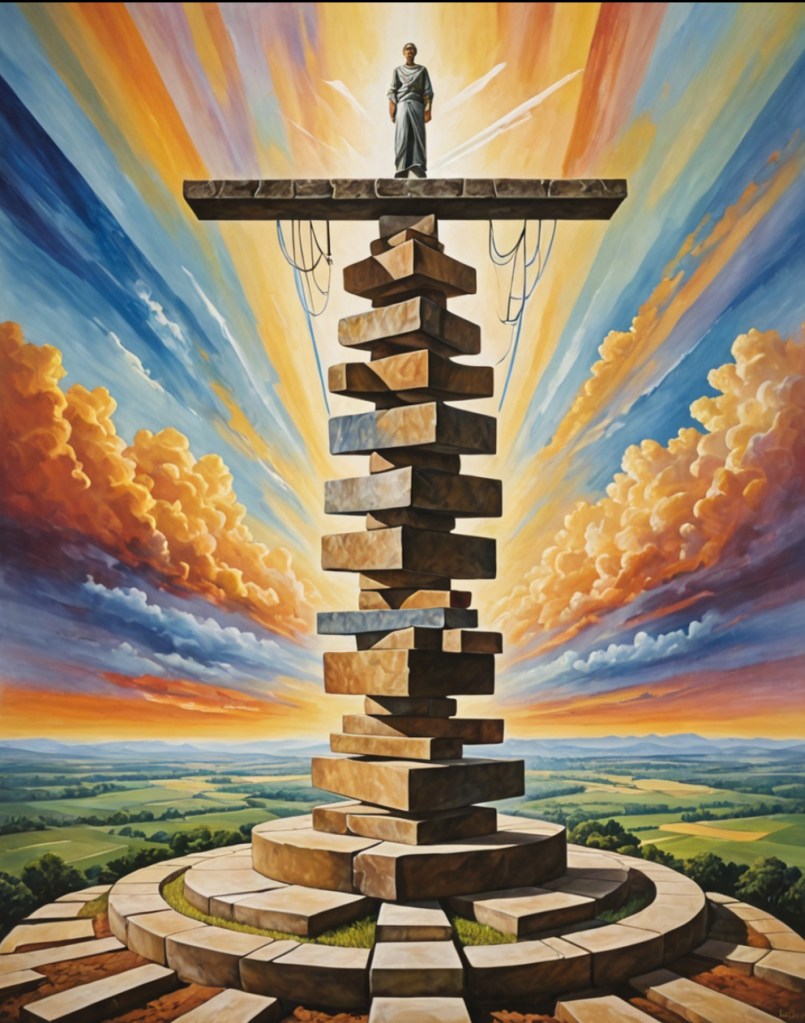
  • The Art of Phenomenology – Exploring Experience and Consciousness

    September 1st, 2024

    Phenomenology is a philosophical movement that invites us to delve into the depths of our experiences and the essence of consciousness. Founded in the early 20th century by Edmund Husserl, phenomenology emphasizes the richness of subjective perception, urging us to explore how we make sense of our lives. This article takes a closer look at phenomenology, its methodologies, its impact on the arts, and its importance in cultivating a deeper understanding of ourselves and our connections with others.

    What Is Phenomenology?

    At its heart, phenomenology is about understanding the structures of experience. Husserl introduced the idea of “intentionality,” which means that consciousness is always directed toward something—be it a thought, an object, or an emotion. Our experiences are not isolated events; they are deeply intertwined with our context, beliefs, and feelings.

    One of the key methods in phenomenology is the “epoché,” a practice of setting aside our judgments about the world around us. By doing this, we can focus purely on our own experiences and the meanings we derive from them. This process of bracketing allows us to peel back our preconceived notions and biases, revealing the essence of our experiences and illuminating what it means to be human.

    How Do We Practice Phenomenology?

    Phenomenological research often employs qualitative methods such as in-depth interviews, reflective journaling, and participant observation. The goal is to gather rich, descriptive data about how people experience specific phenomena. Researchers then analyze this data to uncover common themes and structures that capture the nuances of those experiences.

    A vital aspect of phenomenological research is “phenomenological reduction,” where we aim to distill experiences down to their core elements. This involves examining the layers of meaning embedded in our experiences, peeling them back to reveal their essential qualities. Through this process, we gain insights not only into our own lives but also into the lives of others.

    The Intersection of Phenomenology and the Arts

    The influence of phenomenology is profoundly felt in the realm of art. Artists, writers, and filmmakers often draw on phenomenological principles to explore the human condition. By focusing on subjective experience, they create works that resonate deeply and evoke genuine emotional responses.

    Visual Arts

    In visual arts, phenomenology encourages artists to consider how viewers engage with their work. The act of seeing becomes a personal experience, shaped by the viewer’s background, emotions, and perceptions. Artists like Edward Munch and Paul Cézanne have employed phenomenological techniques, capturing not just the visual aspects of a scene but the emotional essence behind it, allowing viewers to feel rather than simply see.

    Literature

    In literature, phenomenology shines through in the stream-of-consciousness style, where authors like Virginia Woolf and James Joyce give voice to the inner thoughts and feelings of characters. This narrative approach invites readers to immerse themselves in the characters’ experiences, fostering empathy and connection. Through their words, readers are encouraged to engage with the complexities of human emotion and thought.

    Film

    In cinema, phenomenology can be found in the works of directors such as Andrei Tarkovsky and Terrence Malick. Their films often feature long takes and immersive landscapes, inviting viewers to reflect and engage with the sensory aspects of the medium. By slowing down the pace of storytelling, these filmmakers encourage us to ponder the nature of time, memory, and existence itself.

    Why Phenomenology Matters Today

    In our increasingly busy lives, phenomenology offers a refreshing perspective. It encourages mindfulness and a focus on lived experiences, helping us cultivate deeper connections with ourselves and others. Phenomenological methods are increasingly utilized in therapeutic settings, where individuals are encouraged to articulate and explore their feelings. This approach aligns with the principles of humanistic psychology, promoting self-awareness and personal growth.

    Moreover, phenomenology invites us into meaningful dialogues. By valuing individual perspectives, it nurtures empathy and understanding. This is especially important as we navigate diverse viewpoints and experiences in our communities. An openness to hearing and appreciating different life stories can foster a sense of connection and belonging.

    Closing Thought

    The art of phenomenology is a profound exploration of human experience that transcends the boundaries of philosophy. By focusing on subjective perception and consciousness, phenomenology invites us to engage deeply with our lives, fostering a greater understanding of ourselves and our relationships. In a time when distractions abound, the principles of phenomenology remind us to appreciate the richness of our lived experiences. They encourage us to slow down, reflect, and connect with the world around us, nurturing our capacity for empathy, compassion, and genuine understanding. Ultimately, phenomenology is not just a philosophical approach; it is an invitation to fully embrace the beauty and complexity of what it means to be human.

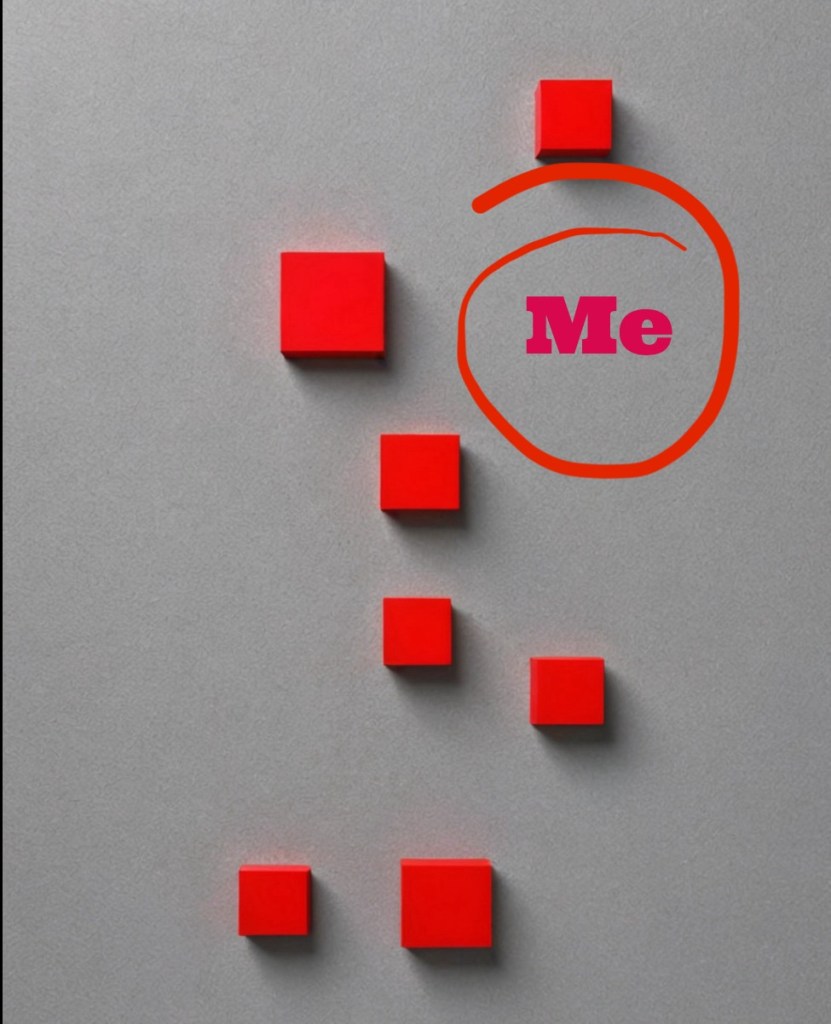
  • The Art of Disruption – Breaking Free from the Chains of Habit and Embracing Innovation

    August 30th, 2024

    The ability to disrupt the status quo has become a vital skill for individuals and organizations alike. The art of disruption is not merely about creating chaos; it is a strategic approach to challenge established norms, break free from habitual behavior, and foster an environment ripe for innovation and outside-the-box thinking.

    Understanding the Nature of Disruption

    Disruption is often misunderstood. It is not simply about introducing new products or technologies; it is about cultivating a mindset that questions the very foundations of how we operate. At its core, disruption involves recognizing that the way things have always been done may not be the most effective or efficient way to achieve desired outcomes. This recognition is the first step toward challenging conventional wisdom and sparking transformative change.

    Breaking Bad Habits – The Challenge of Complacency

    One of the greatest barriers to innovation is the comfort of familiarity. Over time, organizations and individuals develop habits—patterns of behavior that become ingrained and, often, unquestioned. These habits can lead to complacency, stifling creativity and growth. Breaking bad habits requires a conscious effort to reassess and reevaluate established practices.

    1. Awareness: The first step in breaking free from habitual behaviors is to cultivate awareness. Reflect on current practices—what works, what doesn’t, and why. Engage in open dialogues with team members to gather diverse perspectives.
    2. Embrace Discomfort: Disruption often requires stepping outside of comfort zones. Encourage a culture where discomfort is seen as a catalyst for growth. Experimentation and risk-taking should be embraced rather than feared.
    3. Set Clear Goals: Define what success looks like beyond traditional metrics. Establishing specific, innovative objectives can help guide teams as they explore new methods and approaches.
    4. Establish Procedures: While innovation requires flexibility, having well-defined procedures can help streamline efforts and ensure that new initiatives are implemented effectively. Procedures provide a framework that teams can follow as they experiment with new ideas, ensuring that chaos does not undermine progress.
    5. Utilize Metrics: Metrics are essential for measuring the success of new initiatives. By establishing clear metrics, organizations can assess the impact of their innovations and make data-driven decisions. Metrics help identify what works and what doesn’t, allowing teams to pivot or iterate on their approaches as needed.

    Cultivating a Culture of Innovation

    Innovation thrives in environments that encourage experimentation and value learning over perfection. To cultivate such a culture, organizations can implement several strategies:

    1. Empower Employees: Give team members the autonomy to explore new ideas. When individuals feel empowered to take risks, they are more likely to contribute innovative solutions.
    2. Establish Safe Spaces for Failure: Create an atmosphere where failure is seen as a learning opportunity rather than a setback. Encourage teams to share their failures and the lessons learned from them, fostering a collective growth mindset.
    3. Invest in Continuous Learning: Encourage ongoing education and skill development. Workshops, seminars, and training programs can stimulate new ways of thinking and inspire innovative practices.
    4. Leverage Technology: Embrace technological advancements that can facilitate innovation. Tools and platforms that enhance collaboration and communication can break down silos and promote the free flow of ideas.

    Outside-the-Box Thinking – Strategies for Innovation

    To truly innovate, teams must think outside the box. Here are some strategies to encourage this mindset:

    1. Brainstorming Sessions: Regularly hold brainstorming sessions where no idea is too outrageous. The goal is to generate a wide array of suggestions without immediate judgment.
    2. Reverse Engineering: Challenge teams to reverse-engineer successful products or solutions. Analyze what makes them effective and how those principles can be applied to current challenges.
    3. Scenario Planning: Engage in scenario planning to envision various futures. This exercise can help teams think creatively about potential challenges and opportunities.
    4. Cross-Pollination: Encourage collaboration across departments or even industries. Ideas from one area can often spark innovative solutions in another.

    Closing Thought

    The art of disruption is essential for breaking free from complacency and driving meaningful change. By challenging habitual behaviors, fostering a culture of innovation, and encouraging outside-the-box thinking, organizations can thrive in a competitive landscape. Establishing clear procedures and metrics ensures that the journey toward innovation is structured and measurable, enabling teams to navigate the complexities of change effectively. Embracing disruption is not just about surviving; it is about thriving through continuous evolution and improvement. As we move forward, let us remember that the most significant breakthroughs often arise from the willingness to question, experiment, and embrace the unknown.

  • The Art of Ignorance

    August 5th, 2024

    In an age defined by information overload, the paradox of ignorance has emerged as an art form—a willful neglect of facts, perspectives, and realities that, when embraced, can transform individuals from passive observers to active participants in the theatre of national security threats. The phenomenon invites us to explore not only the implications of ignorance itself but also the motivations behind it and its profound impact on security landscapes.

    The Psychology of Willful Ignorance

    At the core of the art of ignorance lies a psychological construct termed “willful ignorance.” This is the conscious decision to remain uninformed or unaware of facts that could disrupt one’s worldview or complicate one’s life. In matters of national security, willful ignorance can be particularly dangerous. It often manifests as a reluctance to acknowledge threats—be they domestic or foreign—because they contradict personal beliefs or provoke uncomfortable emotions.

    For instance, a population may choose to ignore the implications of rising global tensions, believing that their nation is immune to foreign conflicts. This mindset not only emboldens hostile entities but also creates a fertile ground for misinformation to thrive. When individuals refuse to confront uncomfortable truths, the stage is set for vulnerabilities that can be exploited by adversaries.

    The Role of Media and Information Ecosystems

    In our interconnected world, the media plays a dual role in shaping public perception and security. On one hand, it is a vital source of information that can educate citizens about potential threats. On the other hand, it can perpetuate ignorance through sensationalism, selective reporting, and the proliferation of fake news. This has led to the rise of echo chambers—environments where individuals are exposed only to information that reinforces their existing beliefs.

    In these echo chambers, the art of ignorance flourishes. Citizens who consume biased information may become overly confident in their understanding of national security issues, disregarding credible analysis that challenges their views. This creates an environment where misinformation can thrive, leading to a populace that is ill-equipped to recognize genuine threats, whether they be cyberattacks, domestic extremism, or geopolitical instability.

    Ignorance as a National Security Threat

    The implications of widespread ignorance are profound. When a significant portion of the population is disengaged or misinformed, it becomes nearly impossible for a nation to mobilize a collective response to genuine threats. Public support for security policies may wane, and a lack of awareness can lead to apathy. This scenario can embolden adversaries who exploit divides within a society, knowing that a misinformed populace may be resistant to acknowledging external dangers.

    Moreover, the art of ignorance can have tangible consequences in policymaking. Politicians, aware of the ignorance within their constituencies, may manipulate narratives to serve their agendas. This can lead to the prioritization of policies that cater to the uninformed majority rather than addressing the nuanced realities of national security.

    Breaking the Cycle of Ignorance

    To combat the art of ignorance, a multi-faceted approach is essential. Education emerges as a critical tool—one that empowers citizens to think critically about information. Media literacy programs can help individuals discern credible sources from unreliable ones, fostering a more informed public.

    Additionally, promoting open dialogue and encouraging diverse perspectives can break down the walls of echo chambers. When people engage with opposing viewpoints, they are more likely to confront uncomfortable truths and expand their understanding of complex national security issues.

    Closing Thought – Embracing Awareness

    The art of ignorance, while pervasive, is not insurmountable. As citizens, we must recognize the power we hold in shaping our understanding of national security. By embracing awareness, we can transform ignorance from a dangerous art form into a collective commitment to informed engagement. In doing so, we not only safeguard our national security but also foster a more resilient society capable of facing the challenges of an increasingly complex world.

    Ultimately, the journey from ignorance to awareness is not merely a personal endeavor; it is a societal imperative—one that can redefine the very foundations of national security in the 21st century.

  • The Art of Surviving – Navigating the Complex Landscape of Survivor’s Guilt

    August 3rd, 2024

    In the intricate journey of the fucked up human experience, survival is often celebrated as a profound testament to resilience and strength. Yet, woven into this narrative is a darker thread—survivor’s guilt, a psychological phenomenon that shadows those who have outlived others in traumatic circumstances. Understanding the art of surviving goes beyond mere existence; it involves grappling with the emotional turmoil that accompanies survival, especially when it is intertwined with guilt and grief.

    The Nature of Survivor’s Guilt

    Survivor’s guilt manifests in various contexts—after natural disasters, accidents, wars, illnesses, or the loss of loved ones. It can affect anyone who survives a traumatic event while others do not, leading to a haunting sense of “why me?” This guilt can become an insidious companion, whispering doubts and regrets: Did I do enough? Could I have saved them? What makes my life more valuable than theirs? And why the fuck am I celebrating another birthday and they are not?

    Psychologically, survivor’s guilt can be rooted in empathy and compassion. Those who experience it often feel a deep connection to those who did not survive, leading to a painful juxtaposition between their own existence and the loss felt by others. This emotional burden can manifest as anxiety, depression, and a persistent sense of unworthiness, creating a complex relationship with one’s own survival.

    The Artistic Journey of Survival

    Survival is an art form, requiring not just the will to live but an ongoing commitment to process and heal. The journey towards understanding and accepting one’s survival often involves several stages:

    1. Acknowledgment: The first step in the art of surviving is to acknowledge the feelings of guilt and grief. This can be incredibly challenging, as it requires confronting painful emotions. However, recognizing these feelings is essential to begin the healing process.
    2. Expression: Finding ways to express emotions can be cathartic. Art, writing, music, and other creative outlets can serve as powerful tools for processing complex feelings. Many survivors find solace in storytelling, sharing their experiences to help others understand the nuances of survival and loss.
    3. Connection: Engaging with others who have shared similar experiences can foster a sense of community and understanding. Support groups, therapy, or informal gatherings can provide a safe space for survivors to share their stories and confront their feelings without judgment.
    4. Meaning-Making: Survivors often seek to find meaning in their experiences. This journey involves reflecting on the lessons learned and how survival can be transformed into a catalyst for change. Many survivors become advocates for causes related to their trauma, using their experiences to raise awareness and help others.
    5. Compassionate Self-Reflection: It is vital for survivors to cultivate self-compassion. Understanding that it is normal to experience guilt and that survival does not diminish the value of those who were lost is crucial. This process often includes reframing thoughts around survival and recognizing the strength it takes to move forward.

    The Ongoing Process of Healing

    Healing from survivor’s guilt is not a linear process; it ebbs and flows, often influenced by life’s circumstances. Some days may feel heavier than others, and memories may resurface unexpectedly. It is essential for survivors to give themselves grace and patience as they navigate their emotions.

    Mindfulness practices, such as meditation or yoga, can help individuals stay grounded in the present moment, allowing them to process their feelings without becoming overwhelmed. Engaging in self-care and surrounding oneself with supportive relationships can also aid in the healing journey.

    The Legacy of Survival

    Ultimately, the art of surviving encompasses not only the act of living but also the responsibility that comes with it. Many survivors feel compelled to honor the memory of those lost by living fully, making positive contributions to the world, and sharing their stories.

    In this way, survivor’s guilt can transform into a profound source of motivation—a drive to create meaning and purpose in life. By embracing the complexity of their emotions, survivors can cultivate a deeper understanding of their experiences and contribute to a dialogue that emphasizes empathy, resilience, and the shared human experience.

    As we navigate the tangled landscape of survivor’s guilt, it is essential to remember that survival is not merely about existing; it is about thriving in the face of adversity. The art of surviving is a lifelong journey, one that requires courage, vulnerability, and an unwavering commitment to healing—not just for oneself but also for those whose memories continue to shape our lives.

    The Intersection of Survival and Community

    A significant aspect of the art of surviving lies in the recognition that we are not alone in our experiences. Community plays a pivotal role in the healing process. Whether it is through family, friends, support groups, or online forums, sharing the burden of survivor’s guilt can alleviate some of the isolation that often accompanies it.

    Creating Safe Spaces

    Creating safe spaces for dialogue about trauma and survival is vital. These spaces allow individuals to share their stories without fear of judgment or misunderstanding. When survivors open up about their experiences, they often discover that they are not alone in their feelings of guilt and grief. This shared understanding can foster empathy and connection, leading to collective healing.

    Communities can also provide resources, workshops, and programs focused on mental health awareness and trauma recovery. By emphasizing the importance of mental well-being, communities can empower survivors to seek help, engage in self-care, and share coping strategies.

    The Role of Advocacy and Activism

    For many survivors, turning their pain into advocacy becomes a crucial part of their healing journey. This could involve campaigning for policy changes, raising awareness about mental health issues, or supporting organizations that help others who have endured similar experiences.

    Engaging in activism can be a powerful way to channel feelings of survivor’s guilt into positive action. It allows individuals to honor the memories of those lost by contributing to a cause that resonates deeply with their personal experiences. This transformation of pain into purpose can foster a sense of empowerment, reminding survivors that their voices can create change.

    Cultural Perspectives on Survival and Guilt

    Cultural perceptions of survival and guilt can differ significantly across societies. In some cultures, survival may be met with celebration, while in others, it may lead to greater scrutiny and expectations. Understanding these cultural nuances can help survivors navigate their feelings more effectively.

    For instance, in collectivist societies, where community and family ties are paramount, survivors may face additional pressure to uphold the family name or honor the memory of those lost. Conversely, in more individualistic cultures, the focus may be on personal resilience and achievement.

    Acknowledging these cultural contexts can provide survivors with a broader perspective on their guilt and help them find ways to cope that align with their values and beliefs. Engaging with cultural narratives around grief and survival can also foster a deeper connection to one’s heritage, providing a sense of grounding in the face of trauma.

    The Journey Toward Acceptance

    Ultimately, the path toward accepting one’s survival and reconciling feelings of guilt is a deeply personal journey. Acceptance does not mean forgetting or diminishing the losses experienced; rather, it involves integrating these experiences into one’s life narrative.

    Survivors can work towards acceptance through various methods, such as journaling, therapy, or creative expression. Reflecting on the journey can help individuals recognize their strength and resilience, celebrating their survival while honoring the memories of those they have lost.

    Closing Thought – Embracing the Complexity of Survival

    The art of surviving is a multifaceted journey marked by both light and shadow. While survivor’s guilt can feel overwhelming, it is essential to understand that it is a natural response to trauma and loss. By engaging in self-compassion, fostering community connections, and channeling pain into purpose, survivors can navigate the complexities of their emotions.

    In embracing the intricacies of survival, individuals not only honor their own stories but also contribute to a broader narrative of resilience and healing. By sharing their experiences and advocating for change, survivors can inspire others while finding solace in the collective strength of the human spirit.

    Ultimately, the journey of survival is about more than just existing—it is about thriving, growing, and becoming a beacon of hope for others. It is a testament to the enduring power of the human heart to heal, connect, and rise, even in the face of unimaginable loss. In this way, survivors can transform their guilt into a profound legacy of courage and compassion, illuminating the path for others who walk a similar journey.

  • Royal Experience – The Caribbean Serendipitous Encounter

    July 4th, 2024

    As the sun rose majestically over the horizon, casting a golden hue over the vast expanse of the ocean, I found myself on the deck of a luxurious cruise ship, eagerly scanning the waters for signs of marine life. Equipped with binoculars and a heart full of anticipation, I had spent hours gazing out at the endless blue, hoping to catch a glimpse of a majestic creature in its natural habitat.

    Lost in my reverie, I suddenly noticed a commotion a few meters away from where I had been focusing my attention. Curious, I turned to see what had captured the interest of my fellow passengers. And there it was – a magnificent grey whale, gracefully breaking the surface of the water before disappearing into the depths once again.

    In that fleeting moment, I was struck by the sheer beauty and power of nature. The sight of the whale, a gentle giant navigating the vast ocean with ease, filled me with a sense of wonder and awe. It was a reminder of how small we are in the grand scheme of things, mere spectators in a world teeming with life and mystery.

    As I made my observation, I realized how easy it would have been to miss this incredible sight if I had remained fixated on my original search. The whale had appeared in a place I least expected, a gentle reminder that sometimes, the most magical moments in life come when we least anticipate them.

    With a newfound sense of humility and gratitude, I continued my stroll along the deck, taking in the beauty of the ocean that stretched out endlessly before me. The encounter with the grey whale had taught me a valuable lesson – to always remain open to the unexpected, to embrace the unknown with curiosity and wonder.

    As the cruise ship sailed on, leaving behind the spot where I had glimpsed the grey whale, I carried with me the memory of that serendipitous encounter. It was a reminder to keep my eyes and heart open to the beauty that surrounds me, to appreciate the moments of magic that life has to offer, even in the most unexpected places.

    In the end, the lesson learned was simple yet profound – in a world full of wonders, sometimes all we need to do is look up from our preoccupations, and the most extraordinary sights will reveal themselves to us, if only we are willing to see.

  • Understanding the Nuances – The Difference Between “How” and “Standards”

    June 22nd, 2024

    In the realm of personal development and goal achievement, two key concepts often come into play: the “how” and “standards.” While these terms may seem straightforward on the surface, a deeper exploration reveals distinct differences that can significantly impact one’s success and overall well-being. In this article, we will delve into the nuances of these concepts, examining how they shape our actions, mindset, and ultimately, our outcomes.

    The “how” refers to the specific strategies, methods, and steps one takes to reach a desired goal or outcome. It is the practical aspect of goal-setting, focusing on the action-oriented tasks that need to be completed in order to achieve success. When considering the “how,” individuals may ask questions such as, “What steps do I need to take?” or “What resources do I need to utilize?” This element of goal achievement is crucial as it provides a roadmap for progress and helps individuals navigate the complexities of their journey.

    On the other hand, “standards” pertain to the level of quality, excellence, or behavior that one sets for themselves. Standards are the guiding principles and values that shape one’s actions and decisions. They reflect an individual’s beliefs about what is acceptable, desirable, or worthy of pursuit. Setting high standards can inspire excellence, motivation, and a sense of personal integrity, while low standards may lead to complacency, mediocrity, and unfulfilled potential.

    It is important to note that while the “how” focuses on the external actions and strategies, the “standards” are more internal and intrinsic in nature. The “how” is about the process of achieving a goal, while the “standards” are about the quality and depth of that achievement. By understanding this distinction, individuals can cultivate a balanced approach to goal-setting that incorporates both practical steps and aspirational standards.

    In practice, the interplay between the “how” and “standards” is crucial for sustained growth and success. A clear understanding of the “how” provides a structured framework for action, while high standards elevate the quality and impact of those actions. When individuals align their strategies with their values and principles, they create a powerful synergy that propels them towards their goals with purpose and integrity.

    In closing, the difference between the “how” and “standards” lies at the heart of effective goal achievement and personal development. By balancing practical strategies with aspirational values, individuals can create a holistic approach to success that is grounded in action and guided by principles. Embracing both the “how” and “standards” empowers individuals to not only reach their goals but also to uphold a standard of excellence that reflects their true potential and purpose.

  • Lost in Abstract – Navigating the Boundaries of the Mind

    June 6th, 2024

    In the vast expanse of human cognition, abstract thinking stands as a beacon of our intellectual prowess. It’s where mathematics, philosophy, and art converge, allowing us to transcend the concrete and venture into realms of possibility and imagination. However, this journey into the abstract isn’t without its risks. The very nature of abstract thought means that it can sometimes lead us astray, leaving us lost in a maze of our own making. This article delves into the experience of being lost in the abstract, exploring both the beauty and the bewilderment it entails.

    The Allure of the Abstract

    Abstract thinking involves contemplating ideas that are not tied to physical objects or specific experiences. It is the foundation of creativity and innovation, enabling us to envision new technologies, create art, and ponder existential questions. For many, the allure of abstract thought lies in its boundless nature. It allows for a level of freedom and exploration that concrete thinking simply cannot accommodate.

    Consider the works of abstract artists like Wassily Kandinsky or Jackson Pollock. Their paintings, free from the constraints of realism, evoke emotions and thoughts that are unique to each viewer. Similarly, mathematicians work with abstract concepts like infinity and imaginary numbers, which have no physical counterparts but are essential in advancing our understanding of the universe.

    The Perils of Abstraction

    Yet, this freedom can also be disorienting. The abstract can be a labyrinthine space where clarity is often elusive. When one delves too deeply into abstract thought without a tether to reality, it can lead to confusion, frustration, and a sense of being lost.

    Academics and philosophers often grapple with this. Theoretical frameworks and philosophical doctrines can become so complex and detached from everyday experience that they lose their practical relevance. The existentialist philosopher Jean-Paul Sartre famously described the feeling of “nausea” that arises from the realization of the absurdity and meaninglessness that can accompany deep abstract contemplation.

    Finding Balance

    Navigating the abstract requires a delicate balance. Here are some strategies to help maintain this equilibrium:

    1. Grounding Techniques: Regularly anchoring abstract thoughts to concrete examples can provide clarity. For instance, using real-world applications to explain mathematical theories or philosophical concepts can make them more comprehensible.
    2. Interdisciplinary Approach: Drawing connections between different fields can help ground abstract ideas. For example, using principles from psychology to understand abstract art or applying mathematical models to philosophical problems can provide new insights and keep thoughts grounded.
    3. Collaborative Thinking: Engaging with others can offer diverse perspectives and help prevent becoming lost in one’s own abstract thoughts. Discussion and debate encourage clarity and can bring new dimensions to abstract ideas.
    4. Mindfulness and Reflection: Taking time to reflect on one’s thoughts and feelings can help one navigate the abstract. Mindfulness practices can bring awareness to the present moment, providing a counterbalance to the often overwhelming nature of abstract thought.

    The Beauty of Being Lost

    While being lost in the abstract can be daunting, it also has its own beauty. It is in these moments of confusion and uncertainty that new ideas are born. The feeling of being lost can be a precursor to discovery, pushing us to explore uncharted territories of thought and imagination.

    The abstract is where innovation thrives. It is where the quantum physicist contemplates the nature of reality, where the poet finds the words to express the inexpressible, and where the philosopher grapples with the fundamental questions of existence. Being lost in the abstract is not necessarily a state to be feared, but one to be embraced with curiosity and openness.

    Closing Thought

    In the end, being lost in abstract thought is an intrinsic part of the human experience. It reflects our innate desire to understand and create beyond the physical world. While it can be disorienting, it is also a testament to our intellectual and creative capabilities. By embracing the abstract with a balanced approach, we can navigate its complexities and uncover new realms of understanding and innovation.

  • Ephemeral Reality – The Beauty in Transience and Decay

    June 6th, 2024

    In the quiet corners of a once-blooming garden, a poignant narrative unfolds with each fallen petal and withered stem. This narrative, woven from the delicate threads of life and decay, offers a profound meditation on the transient nature of existence. Through the metaphor of withered flowers, we embark on a reflective journey into the heart of ephemeral reality, where the beauty of imperfection and the inevitability of time converge.

    The Delicate Balance of Existence and Decay

    Flowers, in their prime, captivate us with their vibrant hues and intricate forms. They are symbols of life’s fleeting moments of splendor, embodying the peak of beauty and vitality. Yet, as days turn into weeks, these once-gleaming blossoms begin their inevitable decline. Petals curl and fade, colors dull, and stems droop under the weight of time’s passage. This cycle, though universally observed, rarely receives the contemplation it deserves.

    The withering flower, in its final stages, can evoke a sense of melancholy. However, it also invites a deeper appreciation of the natural cycle of life. Each wilted petal and faded color tells a story of resilience, growth, and the ultimate return to the earth. In this transition from bloom to decay, there lies a delicate balance — a reminder that existence is a continuous dance between creation and destruction.

    Embracing the Passage of Time

    Modern society often shuns decay, associating it with loss and imperfection. We are conditioned to celebrate youth and vitality, sometimes overlooking the profound beauty that emerges in decline. The withered flower challenges this perspective, encouraging us to find grace and meaning in every stage of life.

    In Japanese culture, the concept of “wabi-sabi” embraces the beauty of imperfection and impermanence. It teaches us to appreciate the transient and imperfect nature of all things. The withered flower, rather than being discarded, is viewed as a testament to the passage of time and the inherent beauty in aging. Its wrinkles, spots, and faded colors are not seen as flaws but as unique markers of its journey.

    The Beauty in Imperfection

    There is a quiet, understated beauty in the withered flower that often goes unnoticed. Its fragility and vulnerability speak to the universal experience of aging and change. This beauty is not found in the flawless and pristine but in the intricate patterns of decay and the subtle hues of decline.

    Artists and poets have long drawn inspiration from this ephemeral reality. The works of Vincent van Gogh, for example, often depict flowers in various stages of life and decay, capturing the raw and poignant beauty of their transient existence. These depictions invite viewers to see beyond the surface, to recognize the profound elegance in every wrinkle and withered edge.

    Reflection and Acceptance

    In contemplating the metaphor of withered flowers, we are invited to reflect on our own lives. Just as flowers bloom and fade, so too do our experiences, relationships, and physical forms. Embracing this truth allows us to find peace in the present moment and to cherish the beauty in every stage of our journey.

    The withered flower serves as a gentle reminder that life’s most profound lessons often come from its simplest forms. It teaches us to appreciate the transient nature of existence, to find beauty in imperfection, and to embrace the inevitable passage of time with grace and acceptance.

    In the end, the withered flower is not a symbol of loss but of continuity. It embodies the eternal cycle of life, death, and rebirth, reminding us that there is beauty in every phase of existence. Through this ephemeral reality, we learn to see the world with new eyes, finding wonder and reverence in the delicate balance between life and decay.

  • The Art of Innocence in Naivety – A Delicate Dance Between Purity and Wisdom

    June 6th, 2024

    Often, the sophisticated and the cynical are glorified, yet the art of innocence in naivety stands out as a rare and valuable trait. Naivety, when perceived through a positive lens, can be a profound expression of purity, untainted by the complexities and harshness of modern life. This purity allows individuals to approach the world with an open heart and a fresh perspective, often leading to innovative thinking and profound connections with others.

    The Essence of Naivety

    Naivety is frequently misunderstood as mere ignorance or a lack of experience. However, true naivety is much more nuanced. It is an openness to experience, a willingness to see the world without the filters of cynicism or prejudice. This form of innocence is not about being uninformed; rather, it’s about maintaining a sense of wonder and possibility in the face of knowledge.

    At its core, naivety is rooted in trust and optimism. It is the belief that people are generally good, that opportunities abound, and that problems can be solved with goodwill and creativity. This mindset can be incredibly powerful, fostering an environment where new ideas can flourish and human connections can deepen.

    The Beauty of Innocence

    The innocence inherent in naivety is a beautiful and transformative force. It allows individuals to engage with the world in a way that is genuine and heartfelt. This can lead to moments of profound creativity and inspiration, as the innocent mind is not constrained by the limitations and doubts that often accompany experience and knowledge.

    Artists, in particular, often tap into this sense of innocence to create works that resonate on a deeply emotional level. The ability to see the world with fresh eyes can lead to unique and powerful artistic expressions that touch the hearts of audiences. This is evident in the works of artists like Henri Rousseau, whose naive art style captured the imagination with its simplicity and directness.

    The Wisdom in Naivety

    While naivety is often associated with youth, it is a trait that can be cultivated and maintained throughout life. This requires a conscious effort to balance the innocence of naivety with the wisdom gained from experience. It is about learning to navigate the complexities of the world without losing sight of the simple truths that underpin our humanity.

    There is a profound wisdom in recognizing the value of naivety. It reminds us that not all knowledge is beneficial if it leads to cynicism or despair. Sometimes, the most profound insights come not from what we know, but from what we are willing to believe. This balance between innocence and wisdom allows individuals to remain open to new experiences and ideas, while also navigating life’s challenges with grace and resilience.

    Cultivating Naivety in a Modern World

    Maintaining a sense of naivety can be challenging. However, there are ways to cultivate this trait:

    1. Practice Mindfulness: Engaging in mindfulness practices can help individuals stay present and appreciate the world around them with a sense of wonder.
    2. Nurture Curiosity: Embrace curiosity and a desire to learn new things. Approach new experiences with an open mind and a willingness to be surprised.
    3. Foster Gratitude: Regularly reflecting on the positive aspects of life can help maintain a sense of optimism and trust in the goodness of the world.
    4. Engage with Art and Nature: Spending time with art and in nature can help reconnect individuals with the beauty and simplicity of the world.
    5. Surround Yourself with Positive Influences: Build a community of like-minded individuals who value innocence and optimism. Positive social interactions can reinforce these traits.

    Closing Thought

    The art of innocence in naivety is a delicate balance between purity and wisdom. It is a mindset that allows individuals to approach the world with an open heart, fostering creativity, connection, and a profound sense of joy. Often, sophistication and cynicism are valued, but maintaining a sense of naivety can be a radical and transformative act. By embracing this art, we can cultivate a richer, more compassionate, and more vibrant experience of life.

  • Navigating the Intersection of Art and AI – A Guide for the Modern Artist

    June 1st, 2024

    In the evolving landscape of art and technology, Artificial Intelligence (AI) has emerged as a powerful force, provoking a spectrum of reactions from excitement to trepidation among artists. Many fear that AI could overshadow human creativity or render traditional skills obsolete. However, with a thoughtful approach, artists can navigate and leverage AI to enhance their craft rather than be threatened by it. This article aims to demystify AI for artists, offering practical advice on how to harness this technology to expand creative horizons while maintaining the integrity of their unique artistic vision.

    Understanding AI: A Tool, Not a Replacement

    1. AI as a Collaborative Partner:
    AI should be viewed as a tool that can augment human creativity, not as a replacement for it. Just as digital tools like Photoshop or Procreate have become extensions of the artist’s toolkit, AI can serve as a collaborator that enhances creative processes. Artists can use AI to generate new ideas, explore different styles, and even automate tedious tasks, freeing up more time for the creative aspects they truly enjoy.

    2. The Unique Value of Human Creativity:
    AI excels at pattern recognition and data processing but lacks the emotional depth, subjective experience, and cultural context that human artists bring to their work. These qualities are irreplaceable and form the core of what makes art meaningful. Understanding this can help artists view AI as a complement to their creativity rather than a competitor.

    Practical Ways to Leverage AI in Art

    1. Idea Generation and Brainstorming:
    AI-powered tools like DeepDream and Artbreeder can help artists explore uncharted territories of visual expression. These tools can generate unique images based on specific inputs, serving as a source of inspiration or a starting point for new projects. By experimenting with AI-generated visuals, artists can discover novel concepts and styles that they might not have conceived on their own.

    2. Enhancing Workflow Efficiency:
    AI can streamline various aspects of the artistic process. For instance, Adobe’s Sensei AI can assist with tasks like photo editing, color matching, and object recognition, significantly reducing the time spent on mundane tasks. This allows artists to focus more on the creative decision-making process.

    3. Personalized Learning and Skill Development:
    AI-driven platforms like Skillshare and Coursera offer personalized learning experiences, tailoring courses and tutorials to individual skill levels and interests. This personalized approach can help artists continuously improve their craft, learning new techniques and staying updated with industry trends.

    4. Expanding Creative Possibilities:
    Artists can use AI to explore styles and techniques beyond their usual repertoire. For example, GANs (Generative Adversarial Networks) can create new artworks by learning from existing pieces. This can be particularly useful for artists looking to experiment with different genres or media without extensive training in those areas.

    Addressing Common Fears and Misconceptions

    1. Fear of Job Displacement:
    One of the most common fears is that AI will take over jobs traditionally held by artists. However, AI is more likely to create new opportunities rather than eliminate existing ones. As technology evolves, new roles and specializations emerge, requiring human creativity and oversight. Artists who adapt and learn to work alongside AI can find themselves at the forefront of these new opportunities.

    2. Concerns About Authenticity:
    There’s a concern that AI-generated art lacks the authenticity and personal touch of human-created art. While AI can generate technically proficient pieces, it cannot replicate the unique perspective and emotional depth of human artists. The value of art lies not just in the final product but in the story, intention, and emotion behind it—all elements that are intrinsically human.

    3. Ethical Considerations:
    The use of AI in art raises important ethical questions, particularly regarding authorship and originality. Artists should stay informed about these issues and engage in discussions about the ethical use of AI. By understanding the implications and setting personal boundaries, artists can ensure their work remains authentic and ethically sound.

    Embracing the Future: Continuous Learning and Adaptation

    The integration of AI into the art world is an ongoing process, and staying informed is key to leveraging its benefits. Here are some steps artists can take:

    1. Stay Informed:
    Regularly read articles, attend workshops, and participate in forums about AI and its applications in art. Knowledge is power, and staying updated will help artists make informed decisions about how to use AI.

    2. Experiment and Play:
    Don’t be afraid to experiment with AI tools. The best way to understand what AI can offer is to dive in and start playing with the technology. This hands-on experience can demystify AI and reveal its potential in a practical, personal context.

    3. Network and Collaborate:
    Connect with other artists and technologists who are exploring AI. Collaboration can lead to new insights and opportunities, fostering a community of practice that supports mutual growth and innovation. By sharing experiences and learning from peers, artists can navigate the AI landscape more effectively.

    4. Advocate and Educate:
    Artists have a role to play in shaping the future of AI in art. By participating in discussions, panels, and advocacy groups, they can influence how AI technologies are developed and used. Educating others about the benefits and challenges of AI in art can also help demystify the technology and reduce fear.

    Resources for Artists Interested in AI

    To help artists get started with AI, here are some valuable resources:

    1. Online Courses and Tutorials:

    • Coursera and Udacity: Offer courses on AI, machine learning, and their applications in creative fields.
    • LinkedIn Learning: Provides tutorials on using AI tools like Adobe Sensei and other creative software.

    2. AI Art Tools:

    • DeepDream Generator: Allows artists to create surreal, dream-like images using AI.
    • Artbreeder: A platform for collaborative, AI-generated art creation.
    • RunwayML: Provides an easy-to-use interface for experimenting with machine learning models in creative projects.

    3. Communities and Forums:

    • AIArtists.org: A community and resource hub for artists working with AI.
    • Artists and Machine Intelligence (AMI): A program by Google Arts & Culture that supports artists working with machine learning.

    4. Books and Articles:

    • “Artificial Intelligence: A Guide for Thinking Humans” by Melanie Mitchell: Offers an accessible overview of AI and its implications.
    • “The Creativity Code: How AI is Learning to Write, Paint and Think” by Marcus du Sautoy: Explores how AI intersects with human creativity.

    Closing Thought – Embracing AI as a Catalyst for Creativity

    The rise of AI in the art world represents a significant shift, one that can be both exciting and intimidating. However, by approaching AI as a tool for enhancement rather than a threat, artists can unlock new dimensions of creativity and innovation. The key lies in staying informed, experimenting with new technologies, and engaging with the broader artistic and technological communities.

    As with any technological advancement, there will be challenges and ethical considerations to navigate. By maintaining a focus on the unique qualities that human artists bring to their work—emotional depth, cultural context, and personal perspective—artists can ensure that their creations remain authentic and meaningful.

    In the end, AI has the potential to expand the boundaries of what is possible in art, offering new ways to express ideas and connect with audiences. By embracing this potential and integrating AI thoughtfully into their practice, artists cannot only safeguard their future but also lead the way in a new era of artistic innovation.

←Previous Page
1 … 6 7 8 9 10 … 40
Next Page→

Blog at WordPress.com.

Loading Comments...
  • Subscribe Subscribed
    NeuralRotica
    Join 42 other subscribers

    Have a WordPress.com account? Log in now.

  • NeuralRotica
    View site in Reader
    Manage subscriptionsSign upLog in
    Report this content
    Collapse this bar