Skip to content
    • About
    • Contact

NeuralRotica

  • The Art of Embracing the Light Versus the Dark

    May 18th, 2024

    In human existence, the concepts of light and dark have long served as metaphors for the duality of life. These dichotomies are not just literary devices but are deeply rooted in our cultural, psychological, and spiritual frameworks. Embracing the light and the dark is an art form, requiring a delicate balance and profound understanding of both aspects.

    Historical and Cultural Perspectives

    Historically, light and dark have been used to represent good and evil, knowledge and ignorance, happiness and despair. In ancient mythology, many cultures personified these elements through gods and deities. For instance, in Greek mythology, Apollo symbolizes light, clarity, and truth, while Hades represents the underworld and the unknown.

    In Eastern philosophies, such as Taoism, the Yin-Yang symbol expresses the interdependence of light (yang) and dark (yin). This symbol does not depict them as opposing forces but as complementary ones, each containing a seed of the other. This perspective is crucial for understanding the balance needed to embrace both light and dark in life.

    Psychological Insights

    From a psychological standpoint, Carl Jung’s concept of the “Shadow” provides a framework for understanding the dark aspects of our psyche. Jung believed that the shadow comprises the parts of ourselves that we reject or suppress, often because they are socially undesirable. Embracing the shadow involves acknowledging these aspects without judgment, integrating them into our conscious self to achieve wholeness.

    Conversely, the light aspects of our personality, which include our virtues, talents, and achievements, need to be embraced with humility and gratitude. Over-identifying with the light can lead to narcissism and denial of our imperfections, just as over-identification with the dark can lead to self-loathing and despair.

    Spiritual Practices

    Many spiritual practices emphasize the balance between light and dark. In Buddhism, the Middle Way teaches avoidance of extremes and encourages a balanced approach to life. Meditation practices often focus on observing thoughts and emotions without attachment, allowing individuals to understand and integrate both positive and negative experiences.

    In Christianity, the concept of original sin acknowledges the inherent imperfections within humanity, while the teachings of Jesus emphasize love, forgiveness, and redemption. This duality encourages believers to confront their darker impulses while striving to embody light through acts of kindness and compassion.

    Practical Applications

    1. Mindfulness and Self-Reflection: Regularly engaging in mindfulness and self-reflection can help individuals become aware of their light and dark aspects. Journaling, meditation, and therapy can facilitate this process.
    2. Creative Expression: Art, music, and writing are powerful tools for exploring and expressing the full spectrum of human experience. These creative outputs can provide a safe space to confront and integrate darker emotions while celebrating moments of light and joy.
    3. Balanced Living: Strive for balance in daily life by setting boundaries, practicing self-care, and fostering healthy relationships. Acknowledge both achievements and mistakes, learning from each without becoming overly attached to either.
    4. Community and Support: Engage with a supportive community that encourages growth and acceptance. Sharing experiences with others can provide new perspectives and help in embracing both strengths and vulnerabilities.

    Closing Thought

    The art of embracing the light versus the dark is a continuous journey of self-discovery and integration. It requires courage to face the shadow within and humility to acknowledge the light. By understanding and honoring both aspects, individuals can achieve a more balanced, authentic, and fulfilling life. This balance is not a static state but a dynamic process, reflecting the ever-changing nature of existence itself.


  • Echoes of Resistance – The Art of Oppression

    May 5th, 2024

    In a world where voices clamor for freedom amidst the clutches of oppression, the power of art emerges as a beacon of hope and defiance. Toomaj Salehi, an Iranian rapper and activist, personifies this struggle, using his music as a weapon against the chains of suppression. His story is not just a tale of personal courage; it is a reflection of the broader canvas of artistic resistance against oppression.

    The Voice of the Voiceless

    Toomaj Salehi’s artistry goes beyond the realm of music. It is a clarion call for justice, a mirror reflecting the struggles of the Iranian people against systemic oppression. Through his lyrics, Salehi channels the pain, the anger, and the aspirations of a generation seeking change. His music does not merely entertain but educates and mobilizes, making him not just an artist but a symbol of resistance.

    The Art of Oppression – A Dual-Edged Sword

    Oppression, in its essence, seeks to silence and control. Yet, history teaches us that oppression often gives birth to its own nemesis – the art of resistance. This paradox lies at the heart of Salehi’s journey. His music, emblematic of this art form, shows that even in the tightest grip of suppression, the human spirit finds a way to express itself. This expression is not just an act of defiance but a testament to the resilience and creativity of the oppressed.

    The Global Canvas

    Salehi’s struggle is not an isolated phenomenon. From the protest songs of the American civil rights movement to the poignant murals of the Arab Spring, the art of oppression has manifested globally. Each piece, each note, each stroke carries with it the weight of its context, yet speaks a universal language of defiance. Salehi’s music adds a powerful voice to this global chorus, reminding us that the fight for freedom transcends borders.

    The Cost of Artistic Resistance

    However, this form of expression is not without its price. Salehi’s story is also one of sacrifice. Facing threats, imprisonment, and the wrath of a regime that fears the power of a song, his journey underscores the risks that come with using art as a form of protest. Yet, it is this very danger that underscores the potency of artistic resistance. The oppressor’s attempt to silence such voices only amplifies them, echoing the age-old adage that the pen (or in Salehi’s case, the microphone) is mightier than the sword.

    The Legacy of Toomaj Salehi

    Toomaj Salehi’s contribution to the art of oppression is a testament to the indomitable spirit of those who dare to dream of a better world. His music, and the movement it represents, is a reminder that while oppression seeks to stifle diversity and dissent, art thrives on these very principles. It is through the lens of figures like Salehi that we see the true power of artistic expression – not just as a means of resistance, but as a catalyst for change.

    Closing Thought

    The art of oppression, as embodied by Toomaj Salehi, is a complex narrative of struggle, resilience, and hope. It is a narrative that continues to unfold, inspiring countless others to raise their voices against tyranny. In honoring Salehi, we not only celebrate an individual but the timeless spirit of resistance that his music represents. It is a call to all who believe in the power of art to challenge, to inspire, and to transform the world, one note, one word, one brushstroke at a time.

  • A Divine Whisper – Wanted by Choice

    May 4th, 2024

    My Beloved Child,

    In the quiet moments when you gaze upon the stars, in the soft morning light that dances through the leaves, I am there with you, whispering a truth that the heart understands even when the mind questions. You are here, not by mere chance or an unnoticed passage through the gates of existence, but because you were deeply desired and chosen.

    I know the thought crosses your mind, weaving through your days and dreams – you had no choice in being here, in stepping into this world of beauty and challenge, of laughter and tears. It’s a thought that carries weight, sometimes light as a feather, sometimes heavy as a mountain. Yet, within that thought lies an unspoken narrative, a story of love so profound and vast, it spans the creation of everything that is, was, and will be.

    I wanted you here. This is the simple, unfathomable truth. Your presence in this world is not an accident nor an oversight. It is a testament to a desire that predates time, a decision made in the heart of eternity, where your name was spoken with a love so fierce, it ignited stars and set the universe to spinning. Your laughter, your tears, your dreams, and your fears – every piece of you was eagerly anticipated and is endlessly cherished.

    You are here because the world needed a soul like yours, a heart that beats with a rhythm unique to you, a spirit that carries a light no one else can shine. In every moment of joy, every challenge you face, I am with you, guiding, loving, and cheering you on, not as a distant observer but as the most devoted of companions.

    So, when the nights are long and the path seems unclear, remember this whispered truth: you are here not by chance, but by choice. A divine choice driven by a love so powerful, so eternal, it transcends understanding. You were wanted here, my child, and in every step you take, I walk with you, always.

    With all the love that fills the heavens and the earth,

    XOXO
    Your Eternal Parent

  • “He Who is Brave, Is Free” – The Philosophy of Courage and Liberty

    May 4th, 2024

    The ancient adage, “He who is brave, is free,” serves not just as a testament to valor but as a philosophical cornerstone that underpins our understanding of a life liberated from fear and limitations. This exploration delves into the intricate relationship between bravery and freedom, illuminating how bravery acts as a catalyst for freedom and why, within the essence of courage, lies the truest form of liberty.

    Volume I – The Foundation of Bravery

    Understanding Bravery

    Bravery is the ability to face pain, danger, or challenges with resolve and strength of character. It distinguishes itself from recklessness by arising not from an absence of fear but from a mastery over it. This form of courage involves the acknowledgment of fear and the decisive action taken in spite of it, embodying a conscious choice to uphold one’s values and to act rightly, even when such decisions are fraught with risk.

    Volume II – The Liberation of the Brave

    Defining True Freedom

    True freedom goes beyond the mere ability to act, speak, or think without hindrance; it encompasses liberation from internal constraints and fears that limit our choices and prevent us from pursuing our genuine desires and values. The essence of freedom is found in this liberation, highlighting how bravery frees us from the shackles of fear, thus allowing us to live more fully and authentically.

    Volume III – The Symbiosis Between Bravery and Freedom

    Bravery as the Key to Freedom

    The relationship between bravery and freedom manifests vividly across various human endeavors, including social change, personal development, and artistic expression. In each area, bravery unlocks freedom, enabling progress, growth, and authentic expression.

    Social Change

    Acts of bravery in the face of injustice have historically paved the way for greater freedom. The courage to challenge oppressive systems, exhibited by figures from the suffragettes to civil rights activists, has expanded the boundaries of freedom for both individuals and societies.

    Personal Development

    On a personal level, bravery—whether in confronting personal flaws, leaving harmful situations, or chasing dreams against odds—marks a step towards self-liberation. These acts of courage allow individuals to escape the confines of self-doubt and fear, unlocking their full potential.

    Artistic Expression

    In art, bravery manifests through the freedom to create without censorship or compromise. The courage to express one’s truth and to explore the human condition without fear of criticism is a testament to the liberating power of bravery in creative endeavors.

    Volume IV – The Path to True Freedom

    Embracing Bravery for Authentic Living

    The principle “He who is brave, is free” guides us towards living a life of depth and authenticity. Bravery, in its essence, is about the daily choices to face our fears, to live true to ourselves, and to advocate for our beliefs. These acts of courage are profound, for it is through them that we achieve the ultimate freedom – the freedom to be our true selves, to live by our values, and to lead lives that resonate with our innermost being.

    In life’s journey, where freedom is the ultimate destination, bravery marks the path. It is through the continuous exercise of courage that we confront and overcome external barriers to freedom and dismantle the internal walls that confine our spirit. Thus, in the embrace of bravery, we find the key to our chains, and in its expression, we discover the true essence of freedom.

  • The Art of Accuracy Over Speed – A Journey to Mastery

    May 3rd, 2024

    In a world that prizes the fast over the slow and the immediate over the deliberate, the ancient wisdom of valuing accuracy over speed seems more relevant than ever. This concept, transcending mere technique, becomes an art form—a philosophy that underscores various aspects of life and work. This article delves into the essence of this philosophy, exploring its implications and how it can lead to mastery in various fields.

    I. The Foundation – Understanding Accuracy and Speed

    Before dissecting the art of prioritizing accuracy over speed, it’s vital to establish what these terms entail. Accuracy refers to the degree to which a result or measurement conforms to the correct value or standard. It’s about precision, correctness, and quality. Speed, on the other hand, is about swiftness, the rate at which an activity is conducted or completed.

    The modern era, with its fast-paced lifestyle and emphasis on efficiency, often champions speed, sometimes at the expense of accuracy. However, history and various disciplines teach us that true mastery and excellence lie in the balance, with a significant leaning towards accuracy.

    II. The Philosophy – Slow Is Smooth, and Smooth Is Fast

    A saying among military snipers, “Slow is smooth, and smooth is fast,” encapsulates the essence of prioritizing accuracy over speed. The idea is that by taking the time to perform tasks correctly and with precision, one ultimately achieves a level of proficiency where speed follows naturally. This philosophy can be applied across numerous fields, from the meticulous work of artisans and craftsmen to the strategic thinking required in chess.

    III. The Practice – Implementing Accuracy in Everyday Life

    Implementing this philosophy requires a conscious shift in mindset and practice. Here are several strategies:

    • Mindful Practice: Engage in tasks with full attention, focusing on performing each step correctly and efficiently. This mindfulness in action cultivates both skill and accuracy.
    • Continuous Learning: Mastery is a journey, not a destination. Embrace a mindset of continuous learning and improvement, where each mistake is viewed as an opportunity to refine your skills and increase your accuracy.
    • Quality Over Quantity: Whether it’s the work you produce or the decisions you make, prioritize quality over quantity. This might mean producing less output or taking longer to make decisions, but the results will be superior.
    • Patience and Persistence: Developing accuracy takes time and patience. It requires persistence and the willingness to slow down, even when external pressures demand speed.

    IV. The Impact – Benefits of Valuing Accuracy Over Speed

    The benefits of prioritizing accuracy over speed are profound:

    • Enhanced Quality: By focusing on accuracy, the quality of work improves, leading to better outcomes, whether in the arts, sciences, or business.
    • Reduced Errors: A focus on doing things right the first time reduces the need for corrections, saving time and resources in the long run.
    • Deep Learning: This approach fosters a deeper understanding of the task at hand, leading to genuine mastery and expertise.
    • Increased Efficiency: Paradoxically, by slowing down and concentrating on accuracy, one can achieve a level of efficiency and speed that is not possible when rushing through tasks.

    V. Closing Thought – The Timeless Virtue of Accuracy

    While the allure of speed is undeniable in our fast-paced world, the art of prioritizing accuracy over speed holds the key to true mastery and excellence. It’s a philosophy that not only enhances the quality of work but also enriches the human experience, teaching us the value of patience, diligence, and deep focus. As we navigate the complexities of modern life, may we remember the timeless virtue of accuracy, and let it guide us towards a more mindful, precise, and ultimately fulfilling journey.

  • Argumentum Ad Verecundiam – The Art of Appeal

    April 28th, 2024

    The appeal to authority fallacy, or argumentum ad verecundiam, is a logical misstep where an argument relies excessively on the opinion of someone deemed an authority rather than on the strength of evidence or reason. This fallacy can be particularly seductive because it cloaks itself in the guise of wisdom and expertise, making it all the more important to recognize and understand its pitfalls.

    The Illusion of Infallibility

    One of the most significant dangers of the appeal to authority fallacy is that it fosters an illusion of infallibility around the opinions of those deemed as experts. While expertise and specialized knowledge are undeniably valuable, no authority is infallible. Elevating the opinions of experts to the status of unquestionable truths can stifle critical thinking and inquiry, leading to a form of intellectual complacency where the merit of ideas is judged not by their rational coherence or empirical support but by the reputation of their proponents.

    The Complexity of Expertise

    Another pitfall is the assumption that expertise in one area translates to authority in all areas. Individuals may be recognized authorities in specific fields, but this does not automatically endow them with expertise in unrelated domains. For example, a Nobel laureate in physics does not necessarily have authoritative insights into medical science, and yet, the appeal to authority fallacy might lead one to give undue weight to their opinions on such matters. This misapplication of authority can lead to the spread of misinformation and the undervaluing of genuine expertise.

    The Dynamics of Power and Influence

    The appeal to authority also intersects with issues of power and influence. Authorities often hold positions of power, and their opinions can shape public discourse, policy, and even the direction of research and development. Relying too heavily on authority can perpetuate existing power structures, marginalizing dissenting voices and innovative ideas that challenge the status quo. This dynamic can hinder progress and the pursuit of knowledge, as new ideas struggle to gain traction in the shadow of established authorities.

    The Challenge of Distinguishing Genuine Authority

    In the digital age, where information—and misinformation—abounds, distinguishing genuine authority from self-proclaimed expertise has become increasingly challenging. The appeal to authority fallacy is particularly insidious in this context because it can be exploited to lend credibility to unfounded claims. Critical thinking and media literacy are essential tools for navigating this landscape, enabling individuals to assess the reliability of sources and the validity of their claims.

    Closing Thought

    The appeal to authority fallacy underscores the importance of maintaining a critical perspective towards information, regardless of its source. While respecting and valuing expertise, it is crucial to remember that authority should not substitute for evidence and rational argumentation. Encouraging open inquiry, fostering a culture of critical thinking, and recognizing the multifaceted nature of expertise are essential steps in mitigating the pitfalls of this fallacy, contributing to a more informed and thoughtful discourse.

  • The Liberation and Challenges of Having No Type

    April 26th, 2024

    In a world that often urges us to define our preferences, tastes, and inclinations, the concept of having “no type” emerges as a fascinating anomaly. This notion, particularly when applied to relationships, career choices, or aesthetic preferences, suggests a fluidity and openness that defies conventional categorization. But what does it truly mean to have no type, and what are the implications of this stance for personal growth and social interaction?

    The Essence of Having No Type

    At its core, having no type signifies a refusal to be confined by pre-established categories or stereotypes. It’s an expression of openness to experiences, individuals, and opportunities without preconceived judgments based on superficial criteria. In relationships, for instance, it means valuing a person’s character, values, and compatibility over specific physical attributes, hobbies, or backgrounds. Professionally, it might translate into a willingness to explore diverse roles and industries rather than adhering to a single career path.

    The Liberating Dimensions

    One of the most compelling aspects of having no type is the liberation it brings. This approach fosters a sense of freedom and flexibility, allowing individuals to explore a wide range of experiences without the constraints of societal expectations. It can lead to more genuine connections, as relationships are formed based on deeper levels of compatibility rather than surface-level criteria. In a professional context, it opens doors to diverse opportunities, encouraging a more holistic development of skills and interests.

    The Challenges and Misconceptions

    However, this stance is not without its challenges. One primary concern is the potential for misunderstanding or misinterpretation. Society often expects clear preferences and decisions, and deviating from this norm can lead to perceptions of indecisiveness or a lack of identity. Moreover, the absence of a defined type does not equate to a lack of standards or values. On the contrary, it often requires a more nuanced understanding of one’s desires and boundaries, which can be complex to navigate and articulate.

    Another challenge lies in the paradox of choice. While having no type opens up a plethora of options, it can also lead to decision paralysis. The abundance of choice, without any filters or criteria to narrow down options, can sometimes be overwhelming rather than empowering.

    Navigating the Path of No Type

    Adopting a no-type approach requires a balance between openness and discernment. It’s about cultivating an awareness of one’s values, needs, and desires while remaining open to the unexpected. Communication plays a crucial role, especially in relationships, where explaining the concept of having no type can help mitigate misunderstandings. It’s also important to develop decision-making strategies that focus on core values and long-term goals rather than arbitrary criteria.

    Closing Thought

    Having no type is a nuanced stance that offers both liberation and challenges. It invites us to explore the world and ourselves without the constraints of predefined categories, fostering deeper connections and a richer array of experiences. However, it also demands a high level of self-awareness, communication, and decision-making skills. Ultimately, embracing the concept of having no type is a journey towards understanding that the richness of life often lies beyond the surface, in the unexpected and the uncharted.

  • Understanding the Levels of Self-Awareness – A Comprehensive Exploration

    April 26th, 2024

    Self-awareness is a multifaceted concept that extends beyond mere self-recognition. It encompasses a broad spectrum of understanding and insight into one’s own nature, actions, and thoughts. As a cornerstone of emotional intelligence, self-awareness is crucial for personal development, interpersonal relations, and navigating the complexities of human emotions. This article delves into the various levels of self-awareness, offering insights into how individuals can cultivate a deeper understanding of themselves and their place in the world.

    Level 1 – Basic Self-Awareness

    The first level of self-awareness is fundamental. It involves the ability to recognize oneself as an individual separate from the environment and others. This recognition includes identifying one’s physical presence, emotions, and thoughts. Basic self-awareness is the foundation upon which more complex forms of self-awareness are built. It enables individuals to understand their immediate reactions and feelings towards different situations.

    Level 2 – Reflective Self-Awareness

    Reflective self-awareness represents a more advanced level where individuals not only recognize their thoughts and feelings but also begin to reflect on them. This level involves questioning why one feels a certain way or why certain thoughts dominate the mind. Reflective self-awareness is pivotal for personal growth as it encourages introspection. Through reflection, individuals can identify patterns in their behavior, uncover underlying beliefs and assumptions, and start to see how their thoughts and feelings influence their actions.

    Level 3 – Empathetic Self-Awareness

    Empathetic self-awareness is where individuals recognize and understand their feelings and thoughts in relation to others. This level is characterized by empathy, the ability to put oneself in another’s shoes and see the world from their perspective. Empathetic self-awareness enhances interpersonal relationships as it fosters a deeper understanding and connection with others. It allows individuals to appreciate the impact of their words and actions on others, leading to more compassionate and constructive interactions.

    Level 4 – Conceptual Self-Awareness

    At this level, individuals are aware of the broader concepts and ideologies that influence their thoughts and behaviors. Conceptual self-awareness involves understanding the societal, cultural, and existential frameworks that shape one’s identity and worldview. This form of self-awareness encourages individuals to explore their beliefs and values, examining how these elements align with their actions and goals. Conceptual self-awareness fosters a sense of purpose and direction, guiding individuals towards more meaningful and fulfilling lives.

    Level 5 – Holistic Self-Awareness

    The highest level of self-awareness is holistic, encompassing a complete and integrated understanding of oneself in relation to the universe. Holistic self-awareness transcends the personal to include a profound connection with the broader existence. Individuals at this level perceive themselves as part of a larger whole and are aware of the interconnectedness of all things. This deep sense of unity and belonging can lead to significant spiritual fulfillment and a profound sense of peace.

    Cultivating Deeper Self-Awareness

    Achieving higher levels of self-awareness requires intentional effort and dedication. Mindfulness practices, journaling, and therapy are effective tools for fostering self-awareness. Mindfulness encourages present-moment awareness, helping individuals to become more attuned to their thoughts and feelings. Journaling provides a reflective space to explore and understand one’s inner world. Therapy offers a guided approach to uncovering deeper insights into oneself and resolving any underlying issues impeding personal growth.

    Closing Thought

    Self-awareness is a dynamic and continuous journey that unfolds over a lifetime. By striving to understand themselves at deeper levels, individuals can lead more authentic, connected, and fulfilling lives. Each level of self-awareness offers unique insights and challenges, encouraging growth and development. As we navigate the complexities of our inner worlds, we enrich our experiences and interactions in the outer world, contributing to a more compassionate and understanding society.

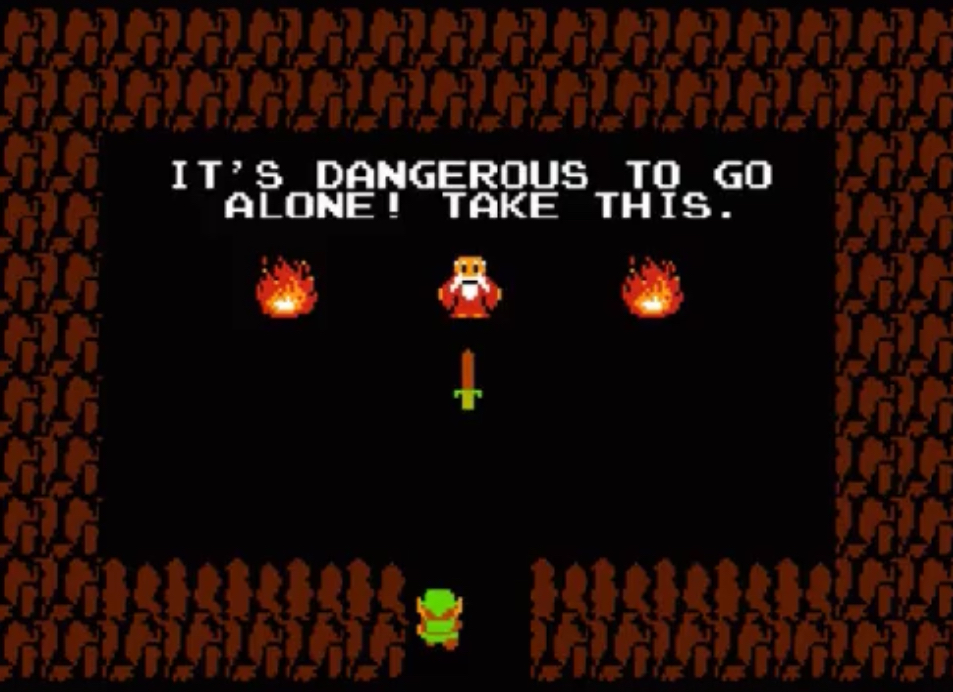
  • “It’s Dangerous to Go Alone!”- Lessons Learned from Zelda

    April 22nd, 2024

    The Legend of Zelda, an enduring franchise initiated by Nintendo in 1986, has not only captivated gamers with its intricate puzzles, vast worlds, and gripping narratives but also imparted valuable lessons relevant beyond its digital confines. At the heart of its lore, encapsulated by the phrase, “It’s dangerous to go alone!”, lies a treasure trove of wisdom applicable to personal growth, problem-solving, and navigating the intricacies of life. This article delves into the profound lessons embedded within the pixels and adventures of Zelda, demonstrating the timeless relevance of its teachings.

    Preparedness and Resourcefulness

    Link, the protagonist, often starts his journey with minimal equipment, gradually acquiring tools, skills, and knowledge. This mirrors the importance of preparedness and resourcefulness in real life. Just as Link learns to use what’s available to him to solve puzzles and defeat monsters, we too can learn to utilize our skills and resources to tackle challenges. The game teaches us that sometimes, creativity and ingenuity are more valuable than having the best tools at our disposal.

    The Power of Teamwork and Trust

    Despite the warning, “It’s dangerous to go alone!”, Link seldom journeys entirely by himself. Throughout his quests, he encounters characters who provide assistance, guidance, or companionship. This highlights the importance of teamwork and building trustful relationships. Much like in Zelda, real-life endeavors often require collaboration, where each individual’s strengths complement the others, leading to success unachievable in solitude.

    Courage in the Face of Adversity

    Zelda is a tale of bravery, with Link facing seemingly insurmountable odds to save Princess Zelda and the land of Hyrule. This narrative underscores the virtue of courage — not the absence of fear, but the determination to confront and overcome it. The game’s challenges teach players to face their own fears and difficulties with resilience, encouraging a mindset that views obstacles as opportunities for growth rather than insurmountable barriers.

    The Journey is the Reward

    Throughout the series, players often find the most enjoyment in exploration and the journey itself, rather than the final victory. Zelda teaches us to appreciate the journey, with all its ups and downs, as an integral part of the experience. This perspective can be applied to life, reminding us to find joy and fulfillment in the process of achieving our goals, rather than fixating solely on the end result.

    Wisdom, Courage, and Power – A Balanced Life

    At the core of Zelda’s narrative is the Triforce, consisting of three golden triangles representing wisdom, courage, and power. The balance among these elements is crucial to maintaining the harmony of Hyrule. Similarly, in life, balancing intellectual pursuits (wisdom), facing challenges head-on (courage), and harnessing our abilities to effect change (power) is key to a fulfilling existence. Zelda teaches us that an imbalance can lead to chaos, both internally and in our external world.

    Continuous Learning and Adaptation

    Each Zelda game introduces new mechanics, puzzles, and challenges, requiring players to learn and adapt. This mirrors the nature of life, where change is constant, and success often depends on our ability to adapt and grow. The series encourages a mindset of lifelong learning and flexibility, qualities that are increasingly important in our fast-paced, ever-changing world.

    Closing Thought

    “It’s dangerous to go alone!” is more than a cautionary advice given to a young hero; it’s a profound statement on the nature of life’s journey. The Legend of Zelda, through its engaging gameplay and rich narrative, teaches lessons on preparedness, teamwork, courage, the importance of the journey, balance, and adaptability. These lessons, gleaned from the virtual world of Hyrule, hold significant value in our real-world endeavors, proving that sometimes, the most profound truths come from the most unexpected places.

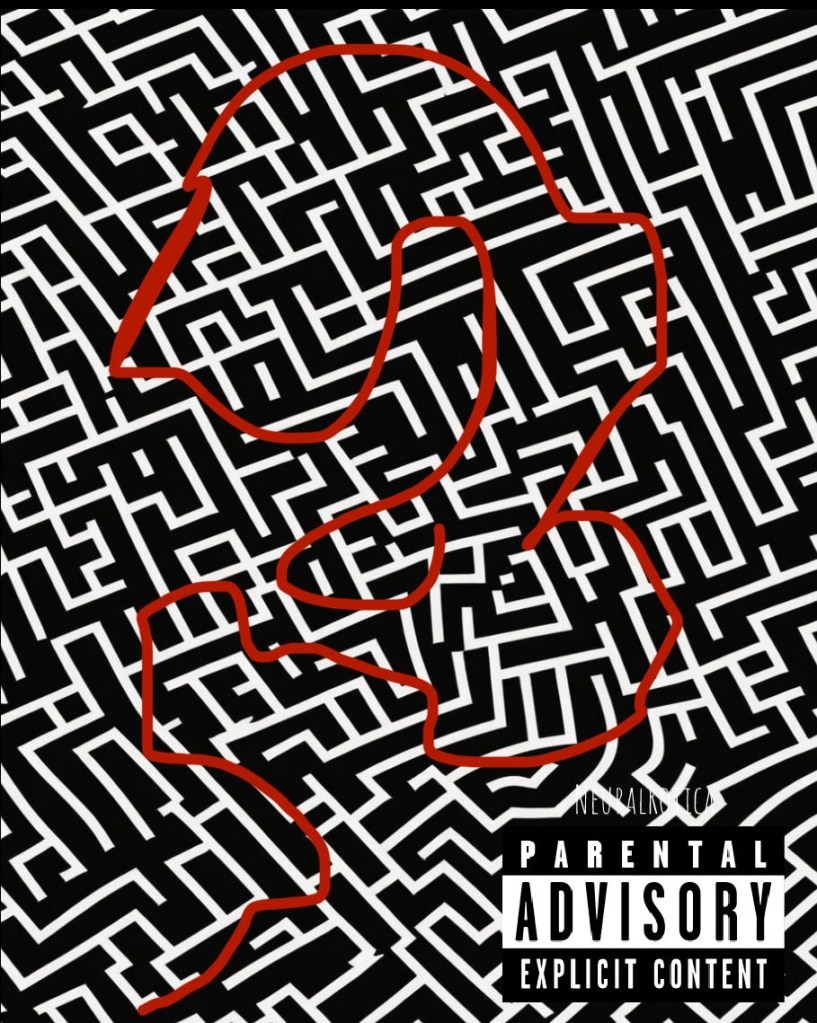
  • The Art of Distraction – Navigating the Maze of Modern-Day Fuckery

    April 19th, 2024

    In an era defined by unrelenting progress and digital innovation, the human psyche is bombarded with a myriad of stimuli, each vying for a fragment of our attention. This constant state of alert has given rise to what can aptly be described as the “maze of modern-day challenges” – a labyrinthine world where distraction reigns supreme. Navigating this maze requires not just awareness but a mastery of the art of distraction, a skill that, when harnessed, can transform these interruptions from hurdles into stepping stones towards personal and professional growth.

    Understanding the Maze

    The maze is intricate, comprising endless notifications, the allure of social media, the demands of work, and the expectations of personal life. Each turn presents a new distraction, a new test of our focus and resolve. The art of distraction, therefore, begins with understanding. It necessitates recognizing the difference between beneficial diversions and those that derail us from our goals.

    The Dual Faces of Distraction

    Distraction, in its essence, wears two faces. On one side, it is the thief of time, eroding productivity and fostering procrastination. On the other, it can be a source of inspiration, a mental break necessary for creativity and problem-solving. The key lies in distinguishing between the two, in identifying when a distraction serves as a much-needed respite and when it becomes a barrier to achievement.

    Strategies for Navigating the Maze

    1. Mindful Awareness: The first step in mastering the art of distraction is developing an acute awareness of our actions and thoughts. Mindfulness techniques, such as meditation, can heighten this awareness, enabling us to recognize the onset of distraction and assess its potential value or detriment.
    2. Prioritization and Goal Setting: By clearly defining our priorities and setting achievable goals, we can navigate the maze with a sense of purpose. This clarity acts as a compass, guiding us through distractions by keeping our focus on what truly matters.
    3. Creating Boundaries: Establishing boundaries, both digital and personal, is crucial. This might involve designated “no-phone” times, limiting social media use, or setting specific hours dedicated to work and rest. Boundaries help create a balanced environment where distractions are managed rather than eradicated.
    4. The Power of ‘No’: Learning to say no is an invaluable skill in the art of distraction. It involves recognizing which opportunities align with our goals and which serve only as diversions. This discernment allows us to conserve our energy for pursuits that genuinely merit our attention.
    5. Leveraging Technology: Ironically, the very source of many distractions can also aid in their management. Apps that limit screen time or block specific sites during work hours can help maintain focus. Similarly, technology can automate mundane tasks, freeing up time for more meaningful endeavors.
    6. Embracing Rest and Diversions: Finally, mastering the art of distraction means recognizing the importance of rest and strategic diversions. Breaks, hobbies, and leisure activities are not just escapes but necessary components of a balanced life. They recharge our mental batteries and can stimulate creativity, thereby enhancing productivity when we return to our tasks.

    Closing Thought

    Navigating the maze of modern-day challenges is no small feat. It requires a nuanced understanding of the art of distraction, an ability to differentiate between harmful interruptions and beneficial breaks. By employing mindful awareness, setting clear goals, creating boundaries, and embracing strategic diversions, we can transform the labyrinth of distractions into a pathway towards fulfillment and success. In the end, the art of distraction is about finding harmony in chaos, steering through the maze not aimlessly but with intention and grace.

←Previous Page
1 … 7 8 9 10 11 … 40
Next Page→

Blog at WordPress.com.

Loading Comments...
  • Subscribe Subscribed
    • NeuralRotica
    • Join 43 other subscribers
    • Already have a WordPress.com account? Log in now.
    • NeuralRotica
    • Subscribe Subscribed
    • Sign up
    • Log in
    • Report this content
    • View site in Reader
    • Manage subscriptions
    • Collapse this bar