• About
    • Contact

NeuralRotica

  • Argumentum Ad Verecundiam – The Art of Appeal

    April 28th, 2024

    The appeal to authority fallacy, or argumentum ad verecundiam, is a logical misstep where an argument relies excessively on the opinion of someone deemed an authority rather than on the strength of evidence or reason. This fallacy can be particularly seductive because it cloaks itself in the guise of wisdom and expertise, making it all the more important to recognize and understand its pitfalls.

    The Illusion of Infallibility

    One of the most significant dangers of the appeal to authority fallacy is that it fosters an illusion of infallibility around the opinions of those deemed as experts. While expertise and specialized knowledge are undeniably valuable, no authority is infallible. Elevating the opinions of experts to the status of unquestionable truths can stifle critical thinking and inquiry, leading to a form of intellectual complacency where the merit of ideas is judged not by their rational coherence or empirical support but by the reputation of their proponents.

    The Complexity of Expertise

    Another pitfall is the assumption that expertise in one area translates to authority in all areas. Individuals may be recognized authorities in specific fields, but this does not automatically endow them with expertise in unrelated domains. For example, a Nobel laureate in physics does not necessarily have authoritative insights into medical science, and yet, the appeal to authority fallacy might lead one to give undue weight to their opinions on such matters. This misapplication of authority can lead to the spread of misinformation and the undervaluing of genuine expertise.

    The Dynamics of Power and Influence

    The appeal to authority also intersects with issues of power and influence. Authorities often hold positions of power, and their opinions can shape public discourse, policy, and even the direction of research and development. Relying too heavily on authority can perpetuate existing power structures, marginalizing dissenting voices and innovative ideas that challenge the status quo. This dynamic can hinder progress and the pursuit of knowledge, as new ideas struggle to gain traction in the shadow of established authorities.

    The Challenge of Distinguishing Genuine Authority

    In the digital age, where information—and misinformation—abounds, distinguishing genuine authority from self-proclaimed expertise has become increasingly challenging. The appeal to authority fallacy is particularly insidious in this context because it can be exploited to lend credibility to unfounded claims. Critical thinking and media literacy are essential tools for navigating this landscape, enabling individuals to assess the reliability of sources and the validity of their claims.

    Closing Thought

    The appeal to authority fallacy underscores the importance of maintaining a critical perspective towards information, regardless of its source. While respecting and valuing expertise, it is crucial to remember that authority should not substitute for evidence and rational argumentation. Encouraging open inquiry, fostering a culture of critical thinking, and recognizing the multifaceted nature of expertise are essential steps in mitigating the pitfalls of this fallacy, contributing to a more informed and thoughtful discourse.


  • The Liberation and Challenges of Having No Type

    April 26th, 2024

    In a world that often urges us to define our preferences, tastes, and inclinations, the concept of having “no type” emerges as a fascinating anomaly. This notion, particularly when applied to relationships, career choices, or aesthetic preferences, suggests a fluidity and openness that defies conventional categorization. But what does it truly mean to have no type, and what are the implications of this stance for personal growth and social interaction?

    The Essence of Having No Type

    At its core, having no type signifies a refusal to be confined by pre-established categories or stereotypes. It’s an expression of openness to experiences, individuals, and opportunities without preconceived judgments based on superficial criteria. In relationships, for instance, it means valuing a person’s character, values, and compatibility over specific physical attributes, hobbies, or backgrounds. Professionally, it might translate into a willingness to explore diverse roles and industries rather than adhering to a single career path.

    The Liberating Dimensions

    One of the most compelling aspects of having no type is the liberation it brings. This approach fosters a sense of freedom and flexibility, allowing individuals to explore a wide range of experiences without the constraints of societal expectations. It can lead to more genuine connections, as relationships are formed based on deeper levels of compatibility rather than surface-level criteria. In a professional context, it opens doors to diverse opportunities, encouraging a more holistic development of skills and interests.

    The Challenges and Misconceptions

    However, this stance is not without its challenges. One primary concern is the potential for misunderstanding or misinterpretation. Society often expects clear preferences and decisions, and deviating from this norm can lead to perceptions of indecisiveness or a lack of identity. Moreover, the absence of a defined type does not equate to a lack of standards or values. On the contrary, it often requires a more nuanced understanding of one’s desires and boundaries, which can be complex to navigate and articulate.

    Another challenge lies in the paradox of choice. While having no type opens up a plethora of options, it can also lead to decision paralysis. The abundance of choice, without any filters or criteria to narrow down options, can sometimes be overwhelming rather than empowering.

    Navigating the Path of No Type

    Adopting a no-type approach requires a balance between openness and discernment. It’s about cultivating an awareness of one’s values, needs, and desires while remaining open to the unexpected. Communication plays a crucial role, especially in relationships, where explaining the concept of having no type can help mitigate misunderstandings. It’s also important to develop decision-making strategies that focus on core values and long-term goals rather than arbitrary criteria.

    Closing Thought

    Having no type is a nuanced stance that offers both liberation and challenges. It invites us to explore the world and ourselves without the constraints of predefined categories, fostering deeper connections and a richer array of experiences. However, it also demands a high level of self-awareness, communication, and decision-making skills. Ultimately, embracing the concept of having no type is a journey towards understanding that the richness of life often lies beyond the surface, in the unexpected and the uncharted.

  • Understanding the Levels of Self-Awareness – A Comprehensive Exploration

    April 26th, 2024

    Self-awareness is a multifaceted concept that extends beyond mere self-recognition. It encompasses a broad spectrum of understanding and insight into one’s own nature, actions, and thoughts. As a cornerstone of emotional intelligence, self-awareness is crucial for personal development, interpersonal relations, and navigating the complexities of human emotions. This article delves into the various levels of self-awareness, offering insights into how individuals can cultivate a deeper understanding of themselves and their place in the world.

    Level 1 – Basic Self-Awareness

    The first level of self-awareness is fundamental. It involves the ability to recognize oneself as an individual separate from the environment and others. This recognition includes identifying one’s physical presence, emotions, and thoughts. Basic self-awareness is the foundation upon which more complex forms of self-awareness are built. It enables individuals to understand their immediate reactions and feelings towards different situations.

    Level 2 – Reflective Self-Awareness

    Reflective self-awareness represents a more advanced level where individuals not only recognize their thoughts and feelings but also begin to reflect on them. This level involves questioning why one feels a certain way or why certain thoughts dominate the mind. Reflective self-awareness is pivotal for personal growth as it encourages introspection. Through reflection, individuals can identify patterns in their behavior, uncover underlying beliefs and assumptions, and start to see how their thoughts and feelings influence their actions.

    Level 3 – Empathetic Self-Awareness

    Empathetic self-awareness is where individuals recognize and understand their feelings and thoughts in relation to others. This level is characterized by empathy, the ability to put oneself in another’s shoes and see the world from their perspective. Empathetic self-awareness enhances interpersonal relationships as it fosters a deeper understanding and connection with others. It allows individuals to appreciate the impact of their words and actions on others, leading to more compassionate and constructive interactions.

    Level 4 – Conceptual Self-Awareness

    At this level, individuals are aware of the broader concepts and ideologies that influence their thoughts and behaviors. Conceptual self-awareness involves understanding the societal, cultural, and existential frameworks that shape one’s identity and worldview. This form of self-awareness encourages individuals to explore their beliefs and values, examining how these elements align with their actions and goals. Conceptual self-awareness fosters a sense of purpose and direction, guiding individuals towards more meaningful and fulfilling lives.

    Level 5 – Holistic Self-Awareness

    The highest level of self-awareness is holistic, encompassing a complete and integrated understanding of oneself in relation to the universe. Holistic self-awareness transcends the personal to include a profound connection with the broader existence. Individuals at this level perceive themselves as part of a larger whole and are aware of the interconnectedness of all things. This deep sense of unity and belonging can lead to significant spiritual fulfillment and a profound sense of peace.

    Cultivating Deeper Self-Awareness

    Achieving higher levels of self-awareness requires intentional effort and dedication. Mindfulness practices, journaling, and therapy are effective tools for fostering self-awareness. Mindfulness encourages present-moment awareness, helping individuals to become more attuned to their thoughts and feelings. Journaling provides a reflective space to explore and understand one’s inner world. Therapy offers a guided approach to uncovering deeper insights into oneself and resolving any underlying issues impeding personal growth.

    Closing Thought

    Self-awareness is a dynamic and continuous journey that unfolds over a lifetime. By striving to understand themselves at deeper levels, individuals can lead more authentic, connected, and fulfilling lives. Each level of self-awareness offers unique insights and challenges, encouraging growth and development. As we navigate the complexities of our inner worlds, we enrich our experiences and interactions in the outer world, contributing to a more compassionate and understanding society.

  • “It’s Dangerous to Go Alone!”- Lessons Learned from Zelda

    April 22nd, 2024

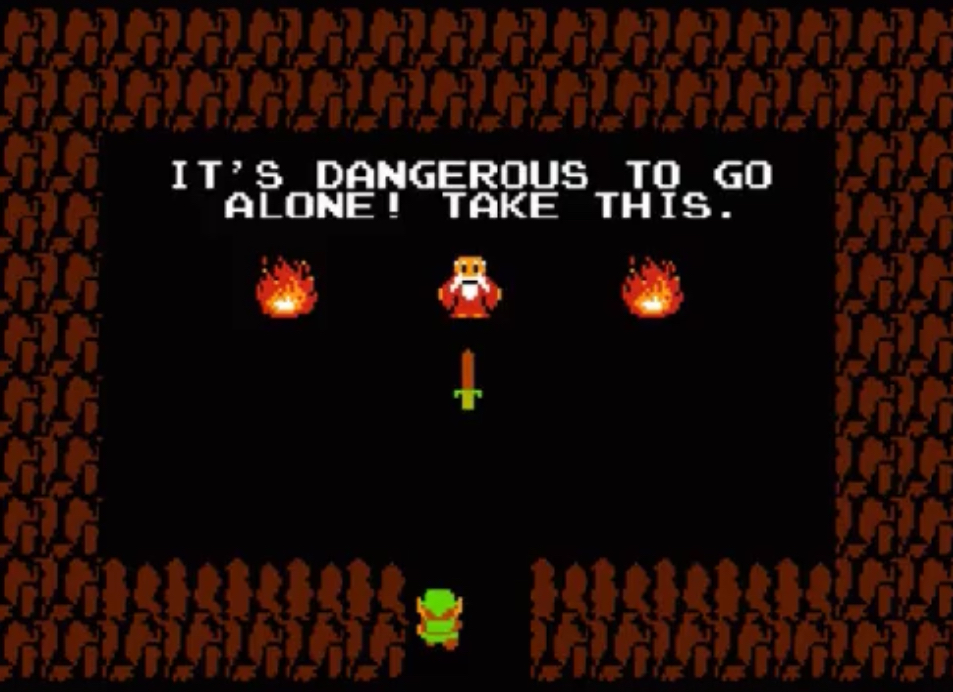
    The Legend of Zelda, an enduring franchise initiated by Nintendo in 1986, has not only captivated gamers with its intricate puzzles, vast worlds, and gripping narratives but also imparted valuable lessons relevant beyond its digital confines. At the heart of its lore, encapsulated by the phrase, “It’s dangerous to go alone!”, lies a treasure trove of wisdom applicable to personal growth, problem-solving, and navigating the intricacies of life. This article delves into the profound lessons embedded within the pixels and adventures of Zelda, demonstrating the timeless relevance of its teachings.

    Preparedness and Resourcefulness

    Link, the protagonist, often starts his journey with minimal equipment, gradually acquiring tools, skills, and knowledge. This mirrors the importance of preparedness and resourcefulness in real life. Just as Link learns to use what’s available to him to solve puzzles and defeat monsters, we too can learn to utilize our skills and resources to tackle challenges. The game teaches us that sometimes, creativity and ingenuity are more valuable than having the best tools at our disposal.

    The Power of Teamwork and Trust

    Despite the warning, “It’s dangerous to go alone!”, Link seldom journeys entirely by himself. Throughout his quests, he encounters characters who provide assistance, guidance, or companionship. This highlights the importance of teamwork and building trustful relationships. Much like in Zelda, real-life endeavors often require collaboration, where each individual’s strengths complement the others, leading to success unachievable in solitude.

    Courage in the Face of Adversity

    Zelda is a tale of bravery, with Link facing seemingly insurmountable odds to save Princess Zelda and the land of Hyrule. This narrative underscores the virtue of courage — not the absence of fear, but the determination to confront and overcome it. The game’s challenges teach players to face their own fears and difficulties with resilience, encouraging a mindset that views obstacles as opportunities for growth rather than insurmountable barriers.

    The Journey is the Reward

    Throughout the series, players often find the most enjoyment in exploration and the journey itself, rather than the final victory. Zelda teaches us to appreciate the journey, with all its ups and downs, as an integral part of the experience. This perspective can be applied to life, reminding us to find joy and fulfillment in the process of achieving our goals, rather than fixating solely on the end result.

    Wisdom, Courage, and Power – A Balanced Life

    At the core of Zelda’s narrative is the Triforce, consisting of three golden triangles representing wisdom, courage, and power. The balance among these elements is crucial to maintaining the harmony of Hyrule. Similarly, in life, balancing intellectual pursuits (wisdom), facing challenges head-on (courage), and harnessing our abilities to effect change (power) is key to a fulfilling existence. Zelda teaches us that an imbalance can lead to chaos, both internally and in our external world.

    Continuous Learning and Adaptation

    Each Zelda game introduces new mechanics, puzzles, and challenges, requiring players to learn and adapt. This mirrors the nature of life, where change is constant, and success often depends on our ability to adapt and grow. The series encourages a mindset of lifelong learning and flexibility, qualities that are increasingly important in our fast-paced, ever-changing world.

    Closing Thought

    “It’s dangerous to go alone!” is more than a cautionary advice given to a young hero; it’s a profound statement on the nature of life’s journey. The Legend of Zelda, through its engaging gameplay and rich narrative, teaches lessons on preparedness, teamwork, courage, the importance of the journey, balance, and adaptability. These lessons, gleaned from the virtual world of Hyrule, hold significant value in our real-world endeavors, proving that sometimes, the most profound truths come from the most unexpected places.

  • The Art of Distraction – Navigating the Maze of Modern-Day Fuckery

    April 19th, 2024

    In an era defined by unrelenting progress and digital innovation, the human psyche is bombarded with a myriad of stimuli, each vying for a fragment of our attention. This constant state of alert has given rise to what can aptly be described as the “maze of modern-day challenges” – a labyrinthine world where distraction reigns supreme. Navigating this maze requires not just awareness but a mastery of the art of distraction, a skill that, when harnessed, can transform these interruptions from hurdles into stepping stones towards personal and professional growth.

    Understanding the Maze

    The maze is intricate, comprising endless notifications, the allure of social media, the demands of work, and the expectations of personal life. Each turn presents a new distraction, a new test of our focus and resolve. The art of distraction, therefore, begins with understanding. It necessitates recognizing the difference between beneficial diversions and those that derail us from our goals.

    The Dual Faces of Distraction

    Distraction, in its essence, wears two faces. On one side, it is the thief of time, eroding productivity and fostering procrastination. On the other, it can be a source of inspiration, a mental break necessary for creativity and problem-solving. The key lies in distinguishing between the two, in identifying when a distraction serves as a much-needed respite and when it becomes a barrier to achievement.

    Strategies for Navigating the Maze

    1. Mindful Awareness: The first step in mastering the art of distraction is developing an acute awareness of our actions and thoughts. Mindfulness techniques, such as meditation, can heighten this awareness, enabling us to recognize the onset of distraction and assess its potential value or detriment.
    2. Prioritization and Goal Setting: By clearly defining our priorities and setting achievable goals, we can navigate the maze with a sense of purpose. This clarity acts as a compass, guiding us through distractions by keeping our focus on what truly matters.
    3. Creating Boundaries: Establishing boundaries, both digital and personal, is crucial. This might involve designated “no-phone” times, limiting social media use, or setting specific hours dedicated to work and rest. Boundaries help create a balanced environment where distractions are managed rather than eradicated.
    4. The Power of ‘No’: Learning to say no is an invaluable skill in the art of distraction. It involves recognizing which opportunities align with our goals and which serve only as diversions. This discernment allows us to conserve our energy for pursuits that genuinely merit our attention.
    5. Leveraging Technology: Ironically, the very source of many distractions can also aid in their management. Apps that limit screen time or block specific sites during work hours can help maintain focus. Similarly, technology can automate mundane tasks, freeing up time for more meaningful endeavors.
    6. Embracing Rest and Diversions: Finally, mastering the art of distraction means recognizing the importance of rest and strategic diversions. Breaks, hobbies, and leisure activities are not just escapes but necessary components of a balanced life. They recharge our mental batteries and can stimulate creativity, thereby enhancing productivity when we return to our tasks.

    Closing Thought

    Navigating the maze of modern-day challenges is no small feat. It requires a nuanced understanding of the art of distraction, an ability to differentiate between harmful interruptions and beneficial breaks. By employing mindful awareness, setting clear goals, creating boundaries, and embracing strategic diversions, we can transform the labyrinth of distractions into a pathway towards fulfillment and success. In the end, the art of distraction is about finding harmony in chaos, steering through the maze not aimlessly but with intention and grace.

  • Generation X – The Return of Greatness

    April 14th, 2024

    In the ever-evolving fabric of generational dynamics, Generation X stands out as a unique cohort that has shaped the world in understated yet profound ways. Born between 1965 and 1980, this generation has often been overshadowed by the Baby Boomers before them and the Millennials that followed. However, as we navigate the complexities of the 21st century, there is a growing recognition of Generation X’s influential role in society, culture, and the global economy, marking what can be termed as ‘The Return of Greatness’.

    Understanding Generation X

    To appreciate the resurgence and impact of Generation X, it’s essential to understand their upbringing and the cultural and economic landscape that molded them. Growing up in a time of significant social change and technological advancement, Generation Xers were the first to embrace digital technology while retaining a keen sense of the analog world. They witnessed the end of the Cold War, the fall of the Berlin Wall, and the rise of personal computing and the internet. This unique positioning has made them the bridge between traditional and digital realms.

    The Workforce Transformers

    In the workplace, Generation X has been instrumental in transforming corporate culture and leadership. Their approach to work-life balance, skepticism of authority, and preference for flexibility have paved the way for more inclusive and adaptive work environments. As they step into senior leadership roles, they are championing remote work, diversity, and a focus on mental health, setting new standards that are shaping the future of work.

    Cultural Innovators

    Culturally, Generation X has left an indelible mark on music, film, and art. They propelled the grunge movement, independent cinema, and the golden age of hip-hop, challenging norms and expressing a raw, unfiltered view of society. Today, their influence persists as they continue to produce, direct, and curate content that resonates across generations, blending nostalgia with contemporary themes.

    Economic Stewards

    Economically, Generation X faces the challenge of navigating a world that has been reshaped by the financial crises, technological disruption, and the shifting sands of globalization. As they inherit leadership positions in major corporations and political offices, their pragmatic and entrepreneurial spirit is guiding strategies that seek to balance profit with sustainability and social responsibility.

    The Silent Connectors

    Perhaps one of Generation X’s most critical roles today is that of the connector. Bridging the gap between the Baby Boomers and the digital-native Millennials and Gen Z, they are the translators and mediators, using their understanding of both worlds to foster communication and collaboration across generations. Their ability to adapt and mediate is proving invaluable in addressing global challenges, from climate change to social justice.

    The Return of Greatness

    The narrative of Generation X is one of quiet resilience, innovation, and transformation. As they assume positions of greater influence and responsibility, their impact is becoming increasingly apparent. This ‘Return of Greatness’ is not about reclaiming a bygone era but about leveraging their unique skills, perspectives, and experiences to guide society through the complexities of the modern world.

    Closing Thought

    Generation X is redefining greatness on their own terms. By blending the wisdom of experience with the adaptability to embrace new challenges, they are shaping a future that values diversity, sustainability, and connectivity. As we look forward, it’s clear that the legacy of Generation X will be one of enduring influence and inspiration, proving that greatness often emerges in the most unexpected of ways.

  • The Art of Crazy – Living Unapologetically

    April 14th, 2024

    In the tapestry of human interaction, the threads of misunderstanding weave a complex pattern, shaping perceptions, behaviors, and ultimately, our reality. The term “crazy” is often tossed into the fray, a label affixed to those who deviate from societal norms or exhibit behaviors deemed unconventional. Yet, beneath this simplistic tag lies a rich, nuanced narrative of individualism, creativity, and often, a profound misunderstanding of what it means to truly live on one’s own terms. This article delves into the intricate dance between eccentricity and societal norms, exploring the art of being labeled “crazy” and the profound misunderstanding that often accompanies it.

    The Spectrum of Crazy

    At its core, “crazy” is a subjective term, colored by cultural, societal, and individual biases. What one community celebrates as innovative, another may scorn as irrational or inappropriate. This dichotomy reveals not just a divergence in values but a fundamental misunderstanding of diversity in thought and behavior. The spectrum of what constitutes “crazy” is vast, encompassing everything from groundbreaking artistic expression to simple lifestyle choices that diverge from the mainstream.

    The Burden of Being Misunderstood

    To be misunderstood is to be seen through a lens that distorts one’s true essence. For individuals labeled as “crazy,” this misunderstanding can manifest as isolation, stigma, and often, a deep sense of alienation. The burden of this label is not just the weight of societal judgment but the internal struggle of reconciling one’s authentic self with the world’s expectations. It’s a balancing act between embracing individuality and navigating the often harsh realities of societal acceptance.

    The Creativity Connection

    There’s an undeniable link between what society labels as “crazy” and the boundless realms of creativity. History is replete with examples of artists, scientists, and thinkers whose ideas were initially dismissed as irrational or unorthodox, only to be celebrated later as groundbreaking. The art of being “crazy” is, in many ways, the art of seeing the world through a unique lens, of daring to imagine the unimaginable. It’s a testament to the human spirit’s capacity for innovation and its relentless pursuit of expression beyond conventional boundaries.

    Embracing the Madness

    To embrace the label of “crazy” is to reclaim it, to transform it from a mark of ostracization into a badge of honor. It’s an acknowledgment of one’s uniqueness and a declaration of autonomy over one’s identity and perceptions. This reclamation is not a denial of the challenges that come with being misunderstood but an affirmation of the value of diversity in thought and experience. It’s a celebration of the courage to live authentically in a world that often demands conformity.

    Closing Thought – The Art of Living Unapologetically

    The art of “crazy” is, at its heart, the art of living unapologetically. It’s a journey of self-discovery that challenges societal norms, embraces creativity, and ultimately, fosters a deeper understanding of oneself and others. To be labeled as “crazy” is to navigate the complex terrain of human judgment and to emerge with a stronger sense of purpose and self. It’s a reminder that in the vast mosaic of human existence, being misunderstood is not a barrier to greatness but a stepping stone to a more authentic, fulfilling life.

    In this intricate dance of existence, let us not be too quick to judge, to label, to misunderstand. Instead, let us celebrate the diversity of the human spirit, recognizing that within what we may hastily call “crazy,” lies the potential for brilliance, innovation, and the profound beauty of being unequivocally oneself.

  • The Bean Counter Dilemma – Capturing Hidden Costs

    April 14th, 2024

    In the world of business, the balance sheet often tells only part of the story. Beyond the clear-cut numbers of revenue, expenses, and profits, there exists a realm of hidden costs that, if ignored, can erode the financial health of an organization. This is the bean counter’s dilemma: how to capture these elusive expenses and mitigate risks proactively rather than reactively. The difference between these two approaches can mean the difference between thriving and merely surviving.

    Understanding Hidden Costs

    Hidden costs are not immediately apparent in the daily operations of a business. They can include inefficiencies in processes, the mental and physical health of employees, the impact of environmental factors, and the potential costs associated with risks that have not yet materialized. For instance, a high employee turnover rate might not directly show up in the financial statements as a loss, but the costs of recruiting, training, and the lost productivity during transition periods can significantly impact the bottom line.

    The Proactive Approach

    A proactive approach to managing hidden costs involves identifying potential risks and inefficiencies before they escalate into more significant issues. This can include investing in employee wellness programs to reduce healthcare costs and improve productivity, implementing sustainable practices to mitigate environmental risks, or adopting advanced analytics to identify inefficiencies in the supply chain.

    Case Study – A Proactive Success

    Consider the case of a manufacturing company that decided to invest in ergonomic equipment and training for its employees. Initially, the investment seemed substantial, and stakeholders were skeptical about the direct benefits. However, over time, the company witnessed a dramatic decrease in workplace injuries, resulting in lower healthcare costs and fewer days lost to injury. Furthermore, employee productivity and job satisfaction increased, leading to a decrease in turnover rates. The initial investment paid off manifold, a testament to the power of a proactive approach.

    The Reactive Quandary

    On the flip side, a reactive approach waits for problems to arise before addressing them. This methodology not only allows hidden costs to accumulate but often results in higher expenses when the issues are finally tackled. For example, a company that neglects regular maintenance of its equipment might save money in the short term but will likely face significant repair or replacement costs down the line, along with possible downtime and lost productivity.

    The Cost of Reactivity

    A notable example of the pitfalls of reactivity is seen in the realm of cybersecurity. Companies that skimp on cybersecurity measures to cut costs often end up victims of data breaches, resulting in massive financial losses, not to mention the erosion of customer trust and brand reputation. The cost of prevention pales in comparison to the cost of damage control after a breach.

    Bridging the Gap with Proactive Measures

    The key to overcoming the bean counter dilemma lies in the ability to anticipate and mitigate risks before they become costly problems. This requires a shift in mindset from viewing such expenditures as unnecessary costs to considering them as investments in the company’s future stability and growth. Integrating risk management into strategic planning, investing in employee development, embracing sustainable practices, and leveraging technology for predictive analytics are all steps in the right direction.

    Closing Thought

    Capturing hidden costs and adopting proactive measures to mitigate risks is not just about saving money; it’s about investing in the future. While the initial outlay may seem daunting, the long-term savings and benefits far outweigh the costs. Businesses that adopt this forward-thinking approach will not only navigate the bean counter’s dilemma but also set themselves apart in an increasingly competitive and complex business landscape. The choice between being proactive and reactive is clear; the former saves more than just money—it safeguards the future.

  • Exit the Augment – A Return to Reality

    April 14th, 2024

    In the digital age, the fusion of the virtual and physical worlds has reached unprecedented levels, blurring the lines between reality and augmentation. Augmented Reality (AR) technology, once a mere figment of science fiction, has seamlessly integrated into our daily lives, from transforming shopping experiences to revolutionizing the way we connect with one another. However, as we navigate through this augmented landscape, a pressing question emerges: have we lost touch with the essence of genuine, in-person relationships? “Exit the Augment – A Return to Reality” delves into the crucial importance of rekindling our connection to the real world and the irreplaceable value of face-to-face interactions.

    The Allure of Augmentation

    Augmented Reality, by design, enhances our sensory perception of the real world, overlaying digital information onto our physical environment. This technology has not only enriched our experiences but has also offered unparalleled convenience, allowing us to access information and connect with others instantaneously. From virtual try-ons to AR-guided surgeries, the benefits are undeniable. However, this convenience comes at a cost, subtly distancing us from the tangible world and, more importantly, each other.

    The Virtual Void

    As AR technologies become more sophisticated, a growing concern is the virtual void they create in human connections. Interpersonal relationships are built on a foundation of nuanced interactions, encompassing not just verbal communication but also non-verbal cues such as body language, eye contact, and physical touch. Augmented reality, for all its advancements, cannot fully replicate these subtle yet significant aspects of human interaction. This virtual void, though often imperceptible, can lead to a sense of isolation and disconnection, underscoring the need for a return to reality.

    The Science of Connection

    Research in psychology and neuroscience underscores the importance of in-person interactions. Physical presence activates neural pathways associated with empathy, trust, and emotional bonding, fostering deeper, more meaningful connections. Face-to-face interactions also play a crucial role in mental health, reducing feelings of loneliness and promoting a sense of belonging. In contrast, relationships maintained through a digital or augmented lens can lack the depth and emotional resonance found in those cultivated in the real world.

    Reclaiming Reality

    To bridge the gap between the digital and physical realms, it’s imperative to consciously prioritize real-world interactions. This does not entail abandoning technology altogether but rather adopting a more balanced approach. Here are a few strategies to consider:

    1. Digital Detoxes: Regularly schedule times where digital devices are set aside, encouraging direct engagement with the environment and people around you.
    2. Mindful Technology Use: Be intentional about when and how you use AR and other digital technologies, ensuring they serve to enhance rather than replace real-world experiences.
    3. Community Engagement: Seek out opportunities for in-person community involvement, whether through volunteering, joining clubs, or attending local events, to foster a sense of connection and belonging.
    4. Quality Over Quantity: When it comes to relationships, focus on the quality of connections rather than the quantity. Deep, meaningful interactions with a few people can be more fulfilling than numerous superficial connections.

    The Way Forward

    The journey back to reality is not a rejection of technology but a call to re-evaluate our relationship with it. As we stand at the crossroads of the digital and physical worlds, the choice is ours to make. By embracing the tangible essence of human connection and the invaluable experiences that the real world offers, we can enrich our lives in ways that augmentation alone cannot achieve. Let us not forget that, at the heart of every technological advancement, lies the fundamental desire to connect, understand, and belong. Exiting the augment, therefore, is not a step backward but a leap towards a more connected, empathetic, and genuinely human society.

  • Winds of Change – The Art of Altering the Message for Greater Impact

    April 13th, 2024

    In the ever-evolving landscape of communication, the ability to adapt and change the message to ensure its relevance, impact, and reception is more than a skill—it’s an art. Whether in the realm of marketing, leadership, interpersonal communication, or social advocacy, the core message we wish to convey remains paramount. Yet, the manner in which this message is presented, interpreted, and received can significantly vary, depending on various factors ranging from audience demographics to the prevailing cultural zeitgeist. This article delves into the nuances of changing the message, offering insights into why, when, and how to effectively alter your message for greater impact.

    Understandings the Why

    Adapting to Audience Needs and Expectations:
    The audience’s needs and expectations can drastically change over time or even in the blink of an eye due to emerging trends or unforeseen circumstances. Recognizing and adapting to these shifts is crucial in ensuring your message remains pertinent and engaging.

    Cultural and Social Sensitivity

    In a world that’s increasingly interconnected yet diverse, messages need to be crafted with a keen awareness of cultural and social sensitivities. What works in one context may not in another, necessitating a change in the way messages are framed.

    Technological Advancements

    The digital age has transformed how we communicate, with new platforms and mediums emerging constantly. Adapting messages to fit these new channels is vital for maintaining audience engagement and relevance.

    Knowing When to Make the Shift

    Feedback and Metrics Indicate a Miss

    Quantitative data and qualitative feedback can serve as clear indicators that your message isn’t landing as intended. A decline in engagement, poor performance metrics, or direct feedback can signal the need for a change.

    Shifts in the External Environment

    Economic fluctuations, societal changes, or global events (such as a pandemic) often necessitate a reevaluation and adjustment of your messaging strategy to stay aligned with the audience’s current reality and concerns.

    Introduction of New Goals or Initiatives

    As organizations evolve, so too do their goals and initiatives. A change in direction requires a subsequent change in messaging to reflect new priorities and visions.

    How to Effectively Alter Your Message

    Reevaluate Your Core Message:
    Begin by revisiting your core message. Consider its essence and how it can be preserved or adapted to better resonate with your audience or fit new platforms.

    Engage in Audience Research

    Understand your audience’s current needs, preferences, and pain points through direct research. Surveys, social media engagement, and focus groups can provide valuable insights.

    Test and Iterate

    Implement changes gradually and monitor the response. A/B testing different versions of your message can reveal what works best, allowing for data-driven decisions.

    Maintain Authenticity

    Even as the message changes, it’s crucial to maintain the authenticity of your brand or personal voice. Authenticity fosters trust and connection, elements vital to the success of any communication.

    Leverage Storytelling

    Stories have the power to connect on an emotional level. Reframing your message within a story can make it more relatable and memorable, thereby increasing its impact.

    Seek Feedback and Collaborate

    Involve stakeholders, colleagues, or your audience in the process of changing the message. Their insights can provide new perspectives and ensure the revised message resonates more effectively.

    Closing Thought

    Changing the message is not about altering your core values or vision but about ensuring your communication is as effective and impactful as possible. It’s a strategic and thoughtful process that requires understanding your audience, being responsive to feedback, and willing to adapt to the shifting landscapes of society and technology. By mastering the art of changing the message, you can enhance engagement, foster deeper connections, and achieve greater success in your communication endeavors.

←Previous Page
1 … 7 8 9 10 11 … 40
Next Page→

Blog at WordPress.com.


Loading Comments...
 

    • Subscribe Subscribed
      • NeuralRotica
      • Join 43 other subscribers
      • Already have a WordPress.com account? Log in now.
      • NeuralRotica
      • Subscribe Subscribed
      • Sign up
      • Log in
      • Report this content
      • View site in Reader
      • Manage subscriptions
      • Collapse this bar